Quote · Added 19 February 2026
Dancing is silent poetry.
No ratings yet
Filed underdancing·poetry·expression
Quote · Added 19 February 2026
Filed underdancing·poetry·expression
When we watch someone dance, we're seeing thoughts and feelings expressed without a single word. A raised arm isn't just a movement—it's longing or defiance. A sharp turn is decision. The body becomes a language more honest than speech often is, because you can't really fake a gesture the way you can fake a sentence. Dance does what poetry does: it captures something true about being alive in a shape you can actually feel, not just understand.
What's interesting is that this still applies even to ordinary movement. You can tell when someone walks into a room whether they're defeated or energized, whether they're listening or already mentally leaving. We're all dancing in that sense—our bodies give away what we're trying to hide. In a world where we talk constantly but often say very little of substance, there's something worth remembering about how much meaning happens in silence, in the space between words where real communication lives. Maybe that's why a great dance performance hits us so hard: it reminds us that some truths are too big or too delicate for words alone.
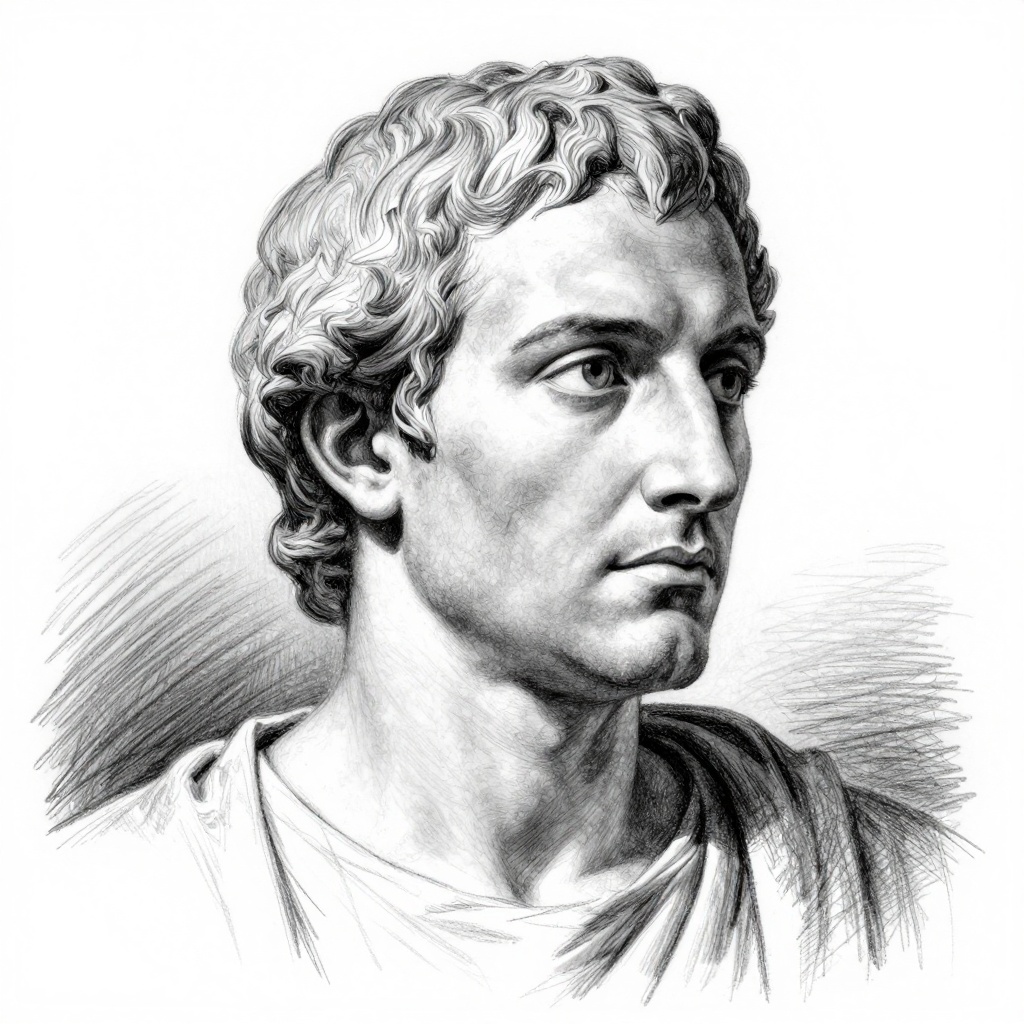
Simonides of Ceos was an ancient Greek poet, born around 556 BC, known for his innovative contributions to lyric poetry and epigram. He is particularly celebrated for his elegiac verses and is often credited with the development of the memorial epigram, notably composing epitaphs for the fallen heroes at the Battle of Thermopylae. His works emphasized themes of memory and mortality, influencing later poetry and rhetoric.
Comments