Maturity is the ability to think, speak and act your feelings within the bounds of dignity. The measure of you... — Samuel Ullman

Maturity is the ability to think, speak and act your feelings within the bounds of dignity. The measure of your maturity is how spiritual you become during the midst of your frustrations.

Author: Samuel Ullman

Insight: There's a real tension in what maturity actually means. Most of us think it's about staying calm and keeping quiet when we're upset—bottling things down and pretending we're fine. But this quote points to something harder and more honest: maturity isn't suppression. It's the skill of letting your genuine feelings move through you without letting them wreck everything around you. Consider someone who gets angry at work but instead of exploding or venting to colleagues, they name what they're feeling and address it directly with the person involved. Or someone grieving who doesn't pretend to be okay, but also doesn't use their pain as permission to hurt others. That's the "within the bounds of dignity" part—your emotions are real and valid, but you stay tethered to who you actually want to be. The spiritual angle here is quietly radical. Ullman isn't talking about religion necessarily, but about that deeper part of you that knows the difference between reacting and responding. When you're actually frustrated—which is when most people fall apart—that's your real test. Can you feel the full weight of it and still choose thoughtfulness? That gap between feeling something intensely and acting on it wisely? That's where actual growth lives.

The gap between feeling and acting

Maturity is the ability to think, speak and act your feelings within the bounds of dignity. The measure of your maturity is how spiritual you become during the midst of your frustrations.

There's a real tension in what maturity actually means. Most of us think it's about staying calm and keeping quiet when we're upset—bottling things down and pretending we're fine. But this quote points to something harder and more honest: maturity isn't suppression. It's the skill of letting your genuine feelings move through you without letting them wreck everything around you.

Consider someone who gets angry at work but instead of exploding or venting to colleagues, they name what they're feeling and address it directly with the person involved. Or someone grieving who doesn't pretend to be okay, but also doesn't use their pain as permission to hurt others. That's the "within the bounds of dignity" part—your emotions are real and valid, but you stay tethered to who you actually want to be.

The spiritual angle here is quietly radical. Ullman isn't talking about religion necessarily, but about that deeper part of you that knows the difference between reacting and responding. When you're actually frustrated—which is when most people fall apart—that's your real test. Can you feel the full weight of it and still choose thoughtfulness? That gap between feeling something intensely and acting on it wisely? That's where actual growth lives.

AI generated

Comments

Sign in to leave a comment or reply to one.

Sign in

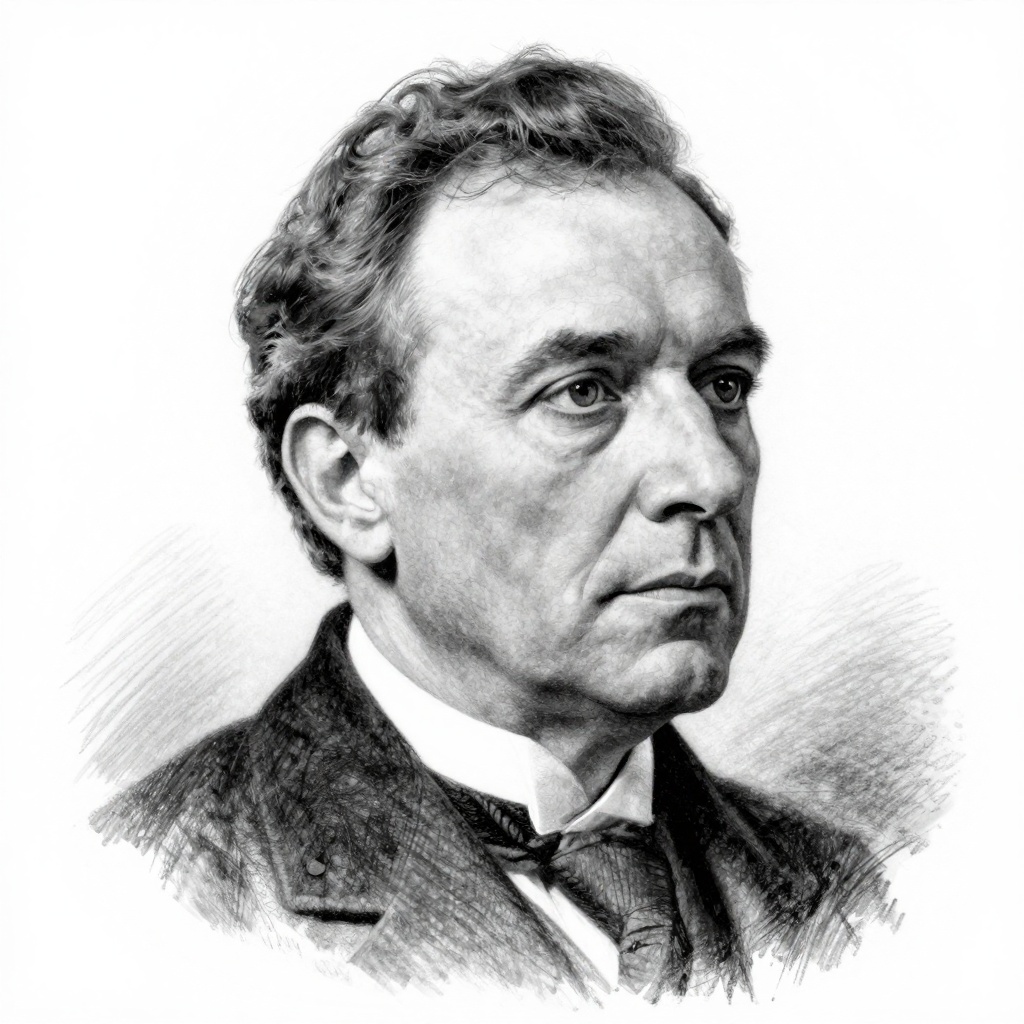
Samuel Ullman

Samuel Ullman was an American poet, businessman, and civic leader, best known for his inspirational poem "Youth," which emphasizes the enduring spirit of youth regardless of age. Born on April 13, 1840, in Germany, he emigrated to the United States with his family and later became a prominent figure in Birmingham, Alabama, contributing to the community through various philanthropic efforts until his death in 1924. Ullman's poem gained widespread recognition and is often quoted for its motivational themes.

Graph

Related