Quote · Added 28 February 2026
Silence does not always mark wisdom.
No ratings yet
Filed undersilence·wisdom·understanding
Quote · Added 28 February 2026
Filed undersilence·wisdom·understanding
We've all been in a room where someone stays quiet and we assume they're thinking deeply, processing carefully, being the wise one. But silence can just as easily be fear, confusion, or simple disengagement. The person who says nothing might be brilliant—or they might just be afraid to speak, or checked out entirely. We romanticize quiet as automatically thoughtful, when sometimes it's just avoidance dressed up as restraint.
This matters because it cuts both ways. Yes, blurting out every thought without reflection is its own problem. But so is the habit of staying silent to seem measured or safe. The quiet kid in the meeting might have the best idea, or they might never share it because they've learned that silence feels safer than risking being wrong. And on the flip side, someone talking a lot isn't necessarily shallow—they might just think out loud, or they might be trying to fill an uncomfortable gap they feel responsible for.
The real wisdom isn't in being quiet or being loud. It's in knowing which one actually fits the moment, and having the courage to do it anyway.
1772–1834·lived 61 years
Samuel Taylor Coleridge was an English poet, literary critic, and philosopher, born on October 21, 1772. He is best known for his significant contributions to the Romantic movement in literature, particularly for poems such as "The Rime of the Ancient Mariner" and "Kubla Khan." Coleridge's work explored themes of imagination and nature, and he also played a key role in the development of literary criticism with his expansive thoughts on the relationship between art and experience.
Also by Samuel Taylor Coleridge
Advice is like snow - the softer it falls, the longer it dwells upon, and the deeper it si...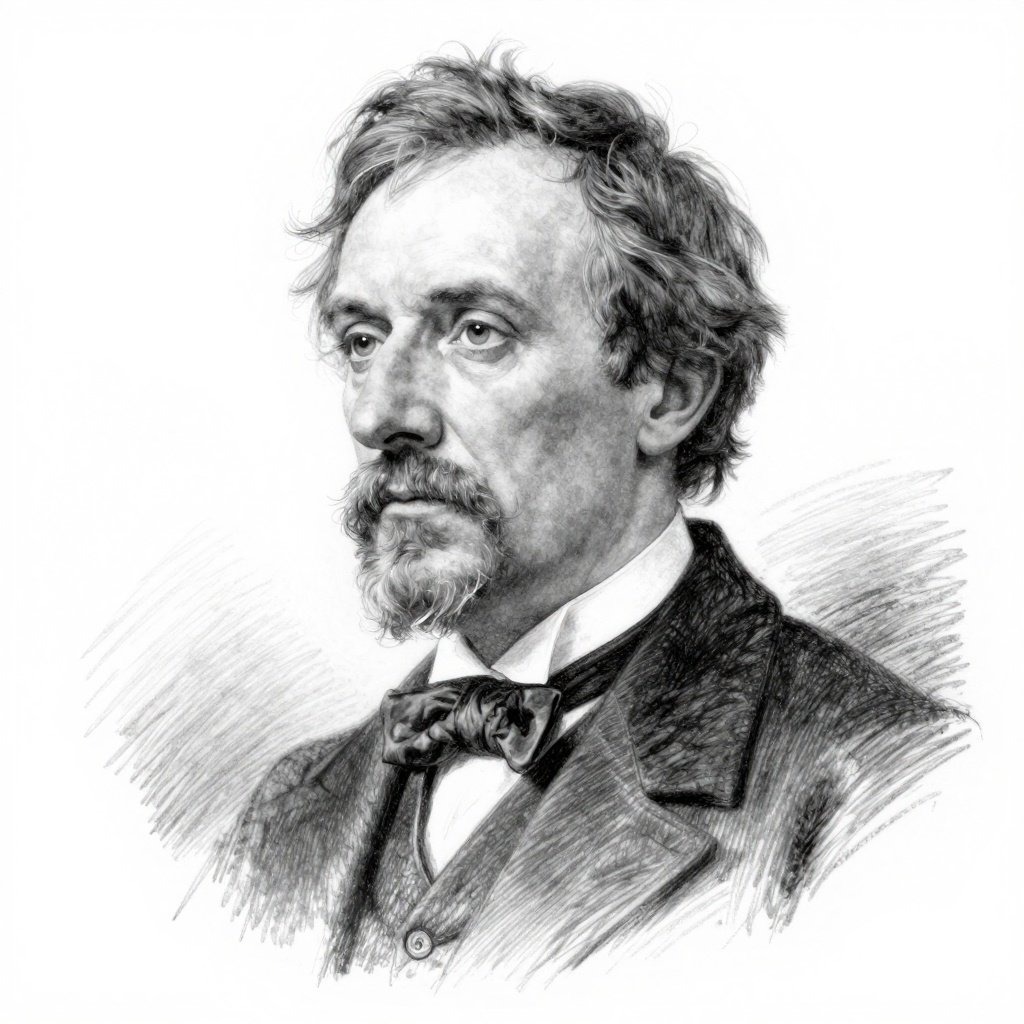
Comments