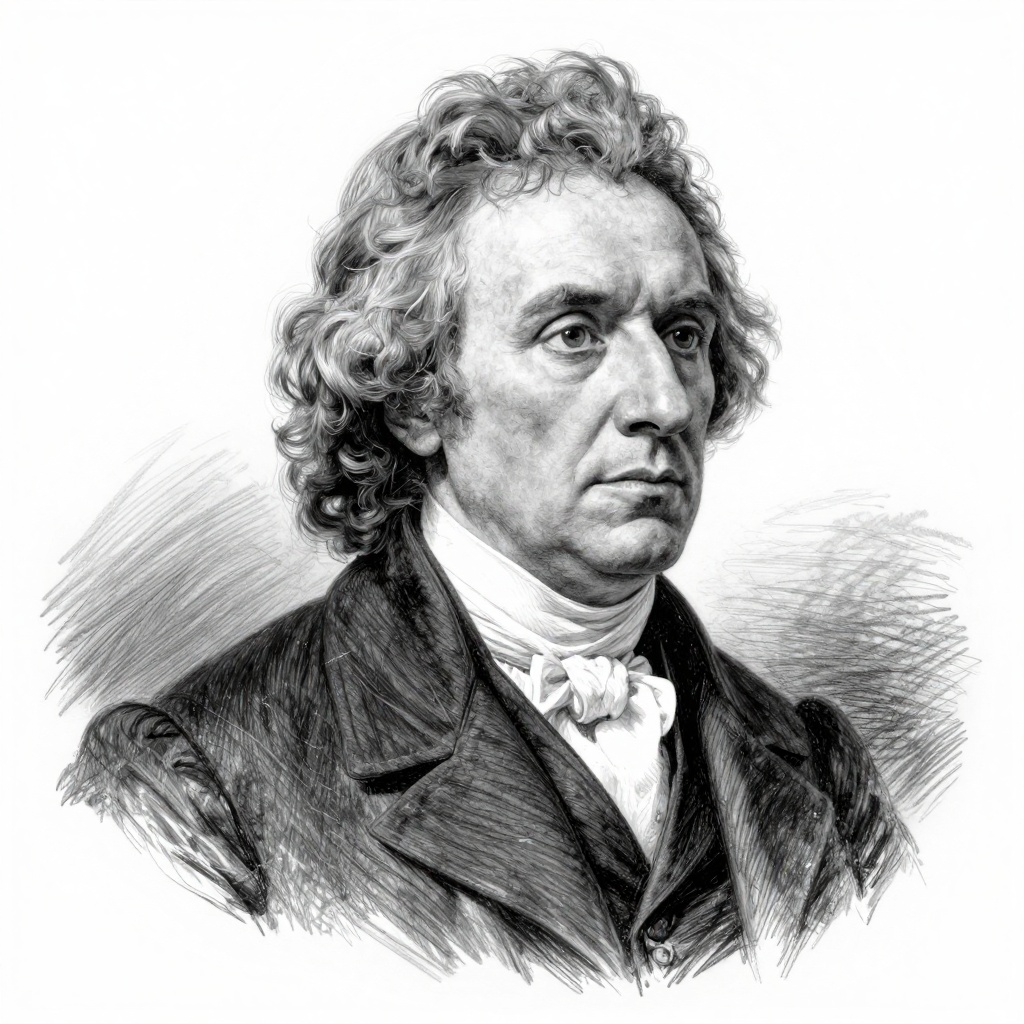
To be happy at home is the ultimate result of all ambition, the end to which every enterprise and labor tends,... — Samuel Johnson

To be happy at home is the ultimate result of all ambition, the end to which every enterprise and labor tends, and of which every desire prompts the prosecution.

Author: Samuel Johnson

Insight: Most of us chase ambition thinking it points somewhere else entirely—a promotion, a title, recognition, the corner office. But Johnson is suggesting something unsettling: all that striving is actually just an elaborate detour back home. The real finish line isn't out there. It's in the quiet ordinary moments with the people you live with, in a space where you don't have to perform. What makes this stick today is how backwards it feels to admit. We're conditioned to see home as the baseline, the place you return to after doing something that matters. But Johnson flips it: everything else only matters if it contributes to peace there. A raise means nothing if your family never sees you. Success feels hollow if the people closest to you are strangers. This doesn't mean ambition itself is wrong—it means ambition without this anchor becomes just motion. The non-obvious part? He's not telling you to quit your job and stay put. He's saying be honest about why you're actually working. If you're grinding to impress people who don't know you, or chasing status that leaves no energy for the people waiting at home, something's gotten genuinely twisted. The question worth asking isn't "Am I ambitious enough?" It's "Is any of this actually making home better?"

Source: Boswell, Life of Johnson, 1791

To be happy at home is the ultimate result of all ambition, the end to which every enterprise and labor tends, and of which every desire prompts the prosecution.

Samuel JohnsonBoswell, Life of Johnson, 1791

All ambition points back home

Most of us chase ambition thinking it points somewhere else entirely—a promotion, a title, recognition, the corner office. But Johnson is suggesting something unsettling: all that striving is actually just an elaborate detour back home. The real finish line isn't out there. It's in the quiet ordinary moments with the people you live with, in a space where you don't have to perform.

What makes this stick today is how backwards it feels to admit. We're conditioned to see home as the baseline, the place you return to after doing something that matters. But Johnson flips it: everything else only matters if it contributes to peace there. A raise means nothing if your family never sees you. Success feels hollow if the people closest to you are strangers. This doesn't mean ambition itself is wrong—it means ambition without this anchor becomes just motion.

The non-obvious part? He's not telling you to quit your job and stay put. He's saying be honest about why you're actually working. If you're grinding to impress people who don't know you, or chasing status that leaves no energy for the people waiting at home, something's gotten genuinely twisted. The question worth asking isn't "Am I ambitious enough?" It's "Is any of this actually making home better?"

Comments

Sign in to leave a comment or reply to one.

Sign in

Samuel Johnson

Samuel Johnson (1709–1784) was an English writer, lexicographer, and critic who is best known for his influential work, "A Dictionary of the English Language," published in 1755. Johnson's witty essays, literary criticism, and biographies were also highly regarded during the 18th century and continue to be studied for their insights into the English language and literature.

Graph

Related