The use of travelling is to regulate imagination by reality, and instead of thinking how things may be, to see... — Samuel Johnson

The use of travelling is to regulate imagination by reality, and instead of thinking how things may be, to see them as they are.

Author: Samuel Johnson

Insight: We live in an age where we can imagine almost anywhere before we get there. Google Maps, travel blogs, Instagram feeds—they offer a kind of preview that earlier generations never had. Yet this abundance of information often makes travel feel less surprising, more like confirming what we already thought we knew. Johnson's insight cuts against this. He's suggesting that travel's real power isn't in collecting experiences or ticking boxes. It's in the collision between what you expected and what actually confronts you. Think about the difference between how you imagined a place and what you found when you arrived. Maybe the famous landmark felt smaller, or the "dangerous" neighborhood turned out to be welcoming, or the people had completely different priorities than you assumed. These moments—where reality rewrites your mental picture—are where actual growth happens. They're humbling. They force you to update your model of the world, not just add to it. This matters beyond tourism. Any time you step into an unfamiliar situation—a different workplace, community, or even a friend's life you never really understood—you're traveling in Johnson's sense. The invitation is to let what you actually see matter more than what you came prepared to think. That small act of correction, again and again, is how we become less trapped by our own imaginations.

Source: The Idler, no. 97, 1760

The use of travelling is to regulate imagination by reality, and instead of thinking how things may be, to see them as they are.

Samuel JohnsonThe Idler, no. 97, 1760

Reality rewrites what you imagined

We live in an age where we can imagine almost anywhere before we get there. Google Maps, travel blogs, Instagram feeds—they offer a kind of preview that earlier generations never had. Yet this abundance of information often makes travel feel less surprising, more like confirming what we already thought we knew. Johnson's insight cuts against this. He's suggesting that travel's real power isn't in collecting experiences or ticking boxes. It's in the collision between what you expected and what actually confronts you.

Think about the difference between how you imagined a place and what you found when you arrived. Maybe the famous landmark felt smaller, or the "dangerous" neighborhood turned out to be welcoming, or the people had completely different priorities than you assumed. These moments—where reality rewrites your mental picture—are where actual growth happens. They're humbling. They force you to update your model of the world, not just add to it.

This matters beyond tourism. Any time you step into an unfamiliar situation—a different workplace, community, or even a friend's life you never really understood—you're traveling in Johnson's sense. The invitation is to let what you actually see matter more than what you came prepared to think. That small act of correction, again and again, is how we become less trapped by our own imaginations.

Comments

Sign in to leave a comment or reply to one.

Sign in

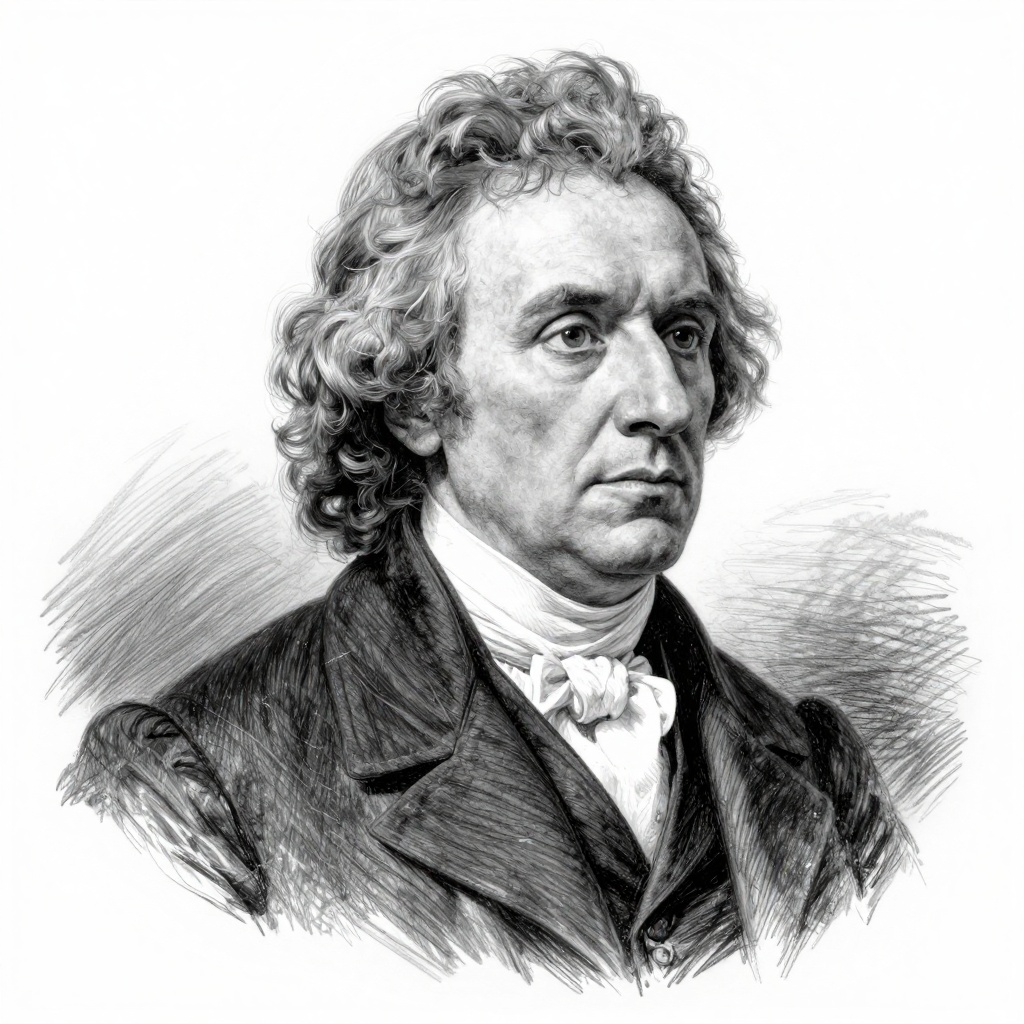
Samuel Johnson

Samuel Johnson (1709–1784) was an English writer, lexicographer, and critic who is best known for his influential work, "A Dictionary of the English Language," published in 1755. Johnson's witty essays, literary criticism, and biographies were also highly regarded during the 18th century and continue to be studied for their insights into the English language and literature.

Graph

Related