Quote · Added 14 February 2026
Revenge is an act of passion; vengeance of justice. Injuries are revenged; crimes are avenged.
Samuel JohnsonThe Rambler, No. 60, 1750
No ratings yet
Quote · Added 14 February 2026
There's a useful distinction buried here that most of us blur together in the moment. When someone cuts you off in traffic and you fantasize about their comeuppance, that's revenge—it's hot, personal, about making them feel what you felt. Vengeance, by contrast, is colder and more formal. It's what a court does, what a community enforces, what has rules and proportionality baked in.
The genius part is recognizing that we often confuse these two, especially when we're hurt. We wrap our desire for revenge in the language of justice, telling ourselves we're simply "evening things out" when really we're just angry. But there's a real difference between getting back at someone and actually addressing what went wrong. One is about your feelings in the moment; the other is about what the situation actually calls for.
This matters because most of us will feel wronged by someone at some point. The question isn't whether that feeling is valid—it usually is. The question is whether we're going to act on raw emotion or step back and ask what actually needs to happen next. Sometimes that's a serious conversation. Sometimes it's simply letting go. Sometimes it really does require intervention. But the distinction Johnson makes helps us figure out which one we actually need.
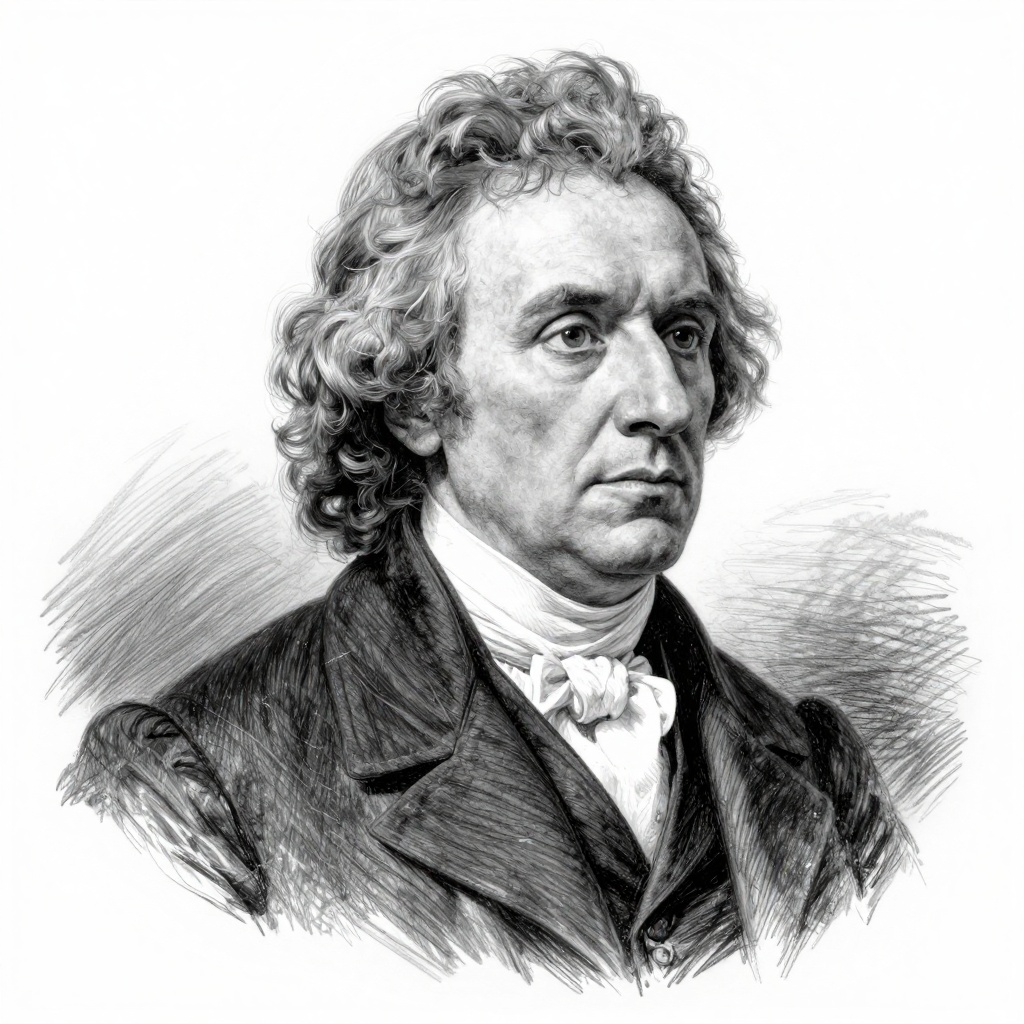
1709–1784·lived 75 years
Samuel Johnson (1709–1784) was an English writer, lexicographer, and critic who is best known for his influential work, "A Dictionary of the English Language," published in 1755. Johnson's witty essays, literary criticism, and biographies were also highly regarded during the 18th century and continue to be studied for their insights into the English language and literature.
Comments