Quote · Added 14 February 2026
Integrity without knowledge is weak and useless, and knowledge without integrity is dangerous and dreadful.
Samuel JohnsonThe History of Rasselas, Prince of Abissinia, ch. 41, 1759
No ratings yet
Quote · Added 14 February 2026
We often think of integrity and knowledge as two separate things, but they're actually locked together. Someone with strong values but no real understanding of how the world works becomes ineffective—their good intentions hit dead ends. But here's the flip side that's harder to admit: someone with genuine expertise but no moral compass is genuinely frightening. They know exactly how to manipulate systems, exploit people, or cause harm with precision.
The tension matters most in modern life because we've made it easy to accumulate knowledge without ever building character. You can become brilliant at your job while slowly becoming someone who cuts corners, blames others, or uses what you know to advantage yourself. Conversely, you can be genuinely kind and honest but so uninformed that you accidentally hurt people or waste their time. Neither version of broken actually helps anyone.
The quiet insight here is that integrity isn't about feeling good about yourself—it's about making your knowledge reliable. When you pair them together, your skills actually mean something. They become trustworthy. And that combination is rare enough to notice, which might be why we still quote this observation from centuries ago.
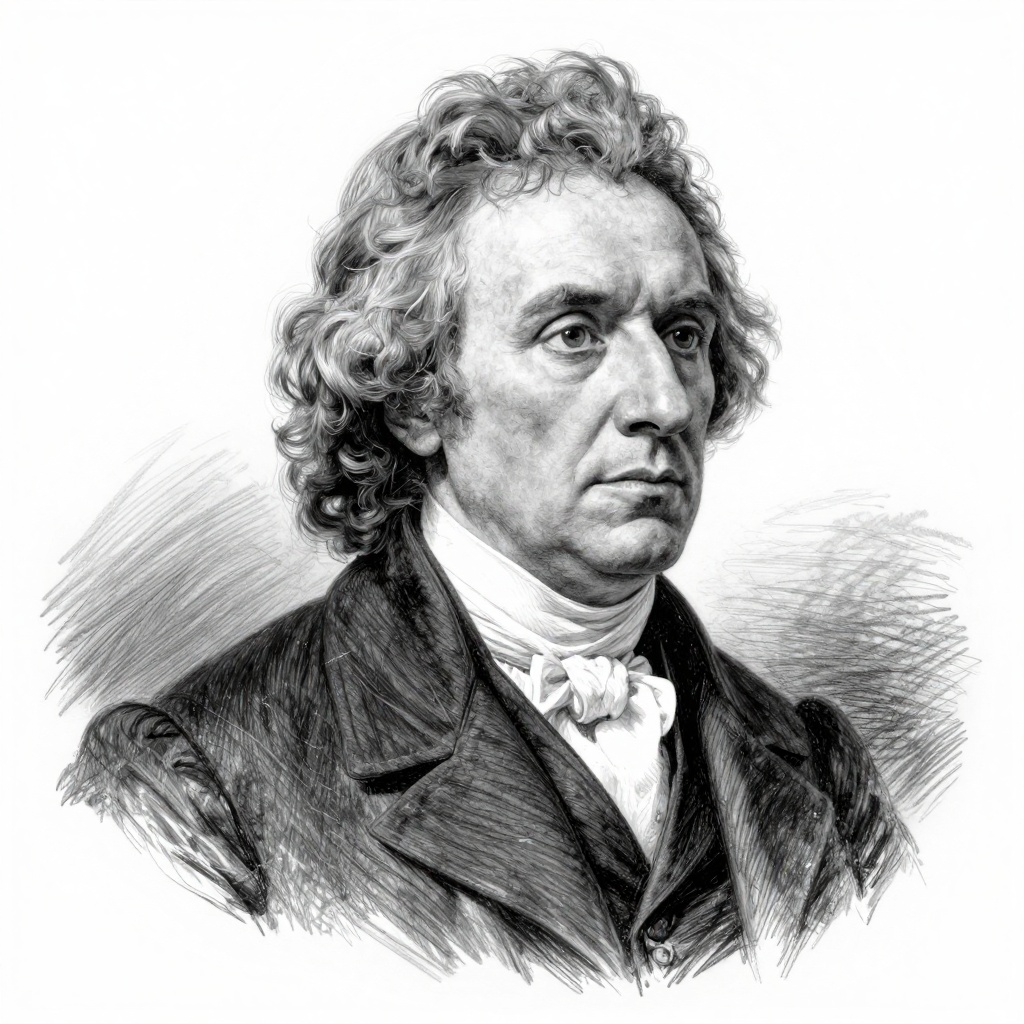
1709–1784·lived 75 years
Samuel Johnson (1709–1784) was an English writer, lexicographer, and critic who is best known for his influential work, "A Dictionary of the English Language," published in 1755. Johnson's witty essays, literary criticism, and biographies were also highly regarded during the 18th century and continue to be studied for their insights into the English language and literature.
Comments