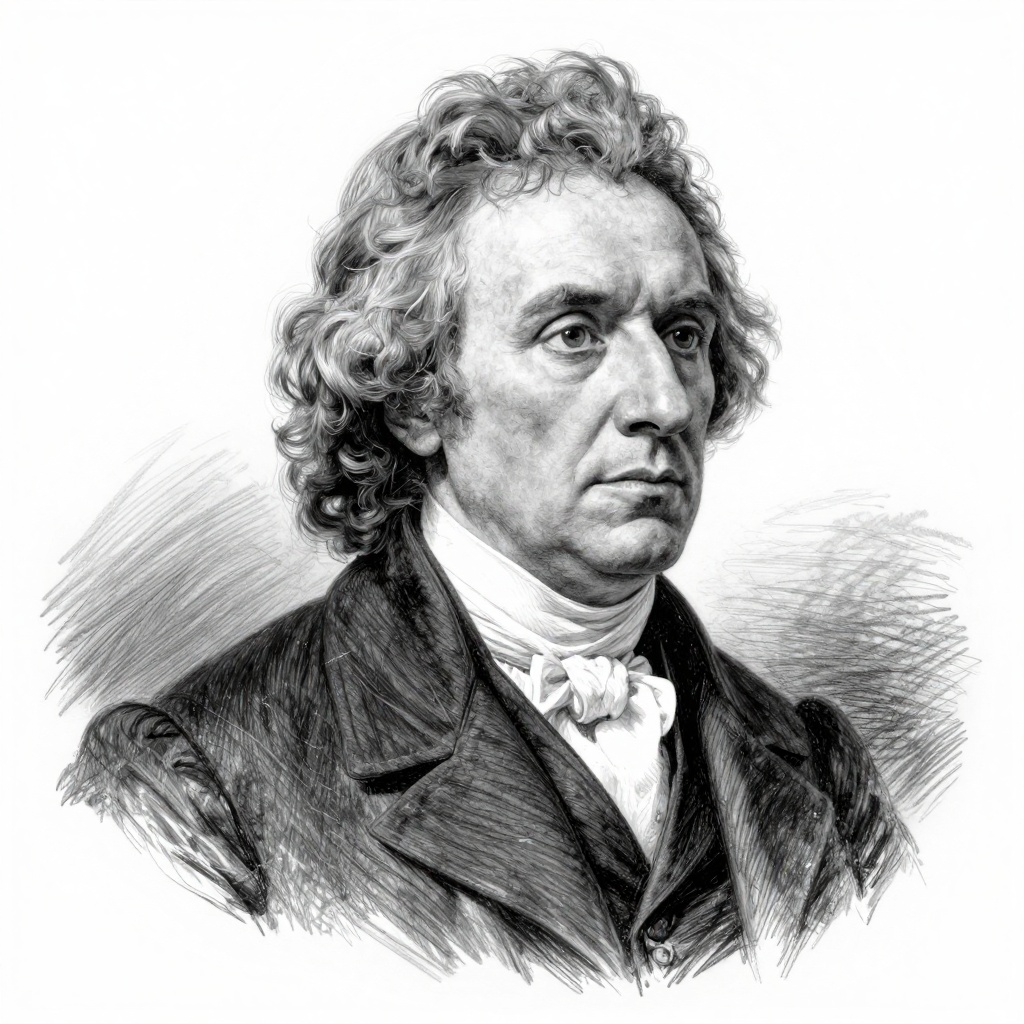
If your determination is fixed, I do not counsel you to despair. Few things are impossible to diligence and sk... — Samuel Johnson

If your determination is fixed, I do not counsel you to despair. Few things are impossible to diligence and skill. Great works are performed not by strength, but perseverance.

Author: Samuel Johnson

Insight: We often wait for the dramatic moment—the surge of confidence, the perfect conditions, the natural talent—before we commit to something hard. But Johnson is pointing at something more practical: the quiet decision to keep showing up matters more than any single burst of effort. Perseverance isn't romantic. It's just the thing you do on Tuesday when you're tired, and then again on Wednesday, and Thursday. The tricky part is that we live in a time that celebrates breakthrough moments while hiding the years of grinding that led there. We see the finished book, not the hundred rejections. We see the fit person, not the thousands of ordinary workouts. Johnson knew this wasn't just motivational talk—he was describing how actual change happens in the world, whether you're learning a skill, building something, or becoming someone different than you were. What's almost radical about his claim is that he's removing the excuse of not being naturally gifted. You don't need to be the strongest or the smartest. You need to decide that the thing matters enough to do it consistently, even when progress feels invisible. Most of us have the capacity for that. The question is whether we'll use it.

Source: Boswell's Life of Johnson, 1791

If your determination is fixed, I do not counsel you to despair. Few things are impossible to diligence and skill. Great works are performed not by strength, but perseverance.

Samuel JohnsonBoswell's Life of Johnson, 1791

Showing up beats talent every time

We often wait for the dramatic moment—the surge of confidence, the perfect conditions, the natural talent—before we commit to something hard. But Johnson is pointing at something more practical: the quiet decision to keep showing up matters more than any single burst of effort. Perseverance isn't romantic. It's just the thing you do on Tuesday when you're tired, and then again on Wednesday, and Thursday.

The tricky part is that we live in a time that celebrates breakthrough moments while hiding the years of grinding that led there. We see the finished book, not the hundred rejections. We see the fit person, not the thousands of ordinary workouts. Johnson knew this wasn't just motivational talk—he was describing how actual change happens in the world, whether you're learning a skill, building something, or becoming someone different than you were.

What's almost radical about his claim is that he's removing the excuse of not being naturally gifted. You don't need to be the strongest or the smartest. You need to decide that the thing matters enough to do it consistently, even when progress feels invisible. Most of us have the capacity for that. The question is whether we'll use it.

Comments

Sign in to leave a comment or reply to one.

Sign in

Samuel Johnson

Samuel Johnson (1709–1784) was an English writer, lexicographer, and critic who is best known for his influential work, "A Dictionary of the English Language," published in 1755. Johnson's witty essays, literary criticism, and biographies were also highly regarded during the 18th century and continue to be studied for their insights into the English language and literature.

Graph

Related