Quote · Added 14 February 2026
All theory is against freedom of the will; all experience for it.
Samuel JohnsonTwo Concepts of Freedom, American Philosophical Association, 2013
No ratings yet
Filed undertheory·freedom·experience
Quote · Added 14 February 2026
Filed undertheory·freedom·experience
We spend enormous energy trying to figure out whether our choices are really ours. Philosophers build entire frameworks arguing that everything is determined—your genes, your upbringing, the chemistry of your brain. It all sounds airtight until you actually live a day. Then you feel the weight of decision. You choose coffee over tea. You decide to call someone or stay silent. You know, in your bones, that you could have done otherwise. That sensation of genuine choice is so immediate and real that no theoretical argument quite dislodges it.
Johnson's observation points to something almost amusing: the gap between how the world looks on paper and how it feels when you're in it. Scientists and logicians can build impressive cases that free will is an illusion, but the illusion stubbornly refuses to break. Even the person arguing against free will had to choose their words carefully, had to decide whether to write this article. They live as though their choices matter.
This doesn't settle the philosophical question. But it suggests we might be chasing the wrong thing. Maybe the real insight isn't about winning a debate but noticing that both the theory and the experience can coexist—and that how we live often matters more than which side of the argument we ultimately land on.
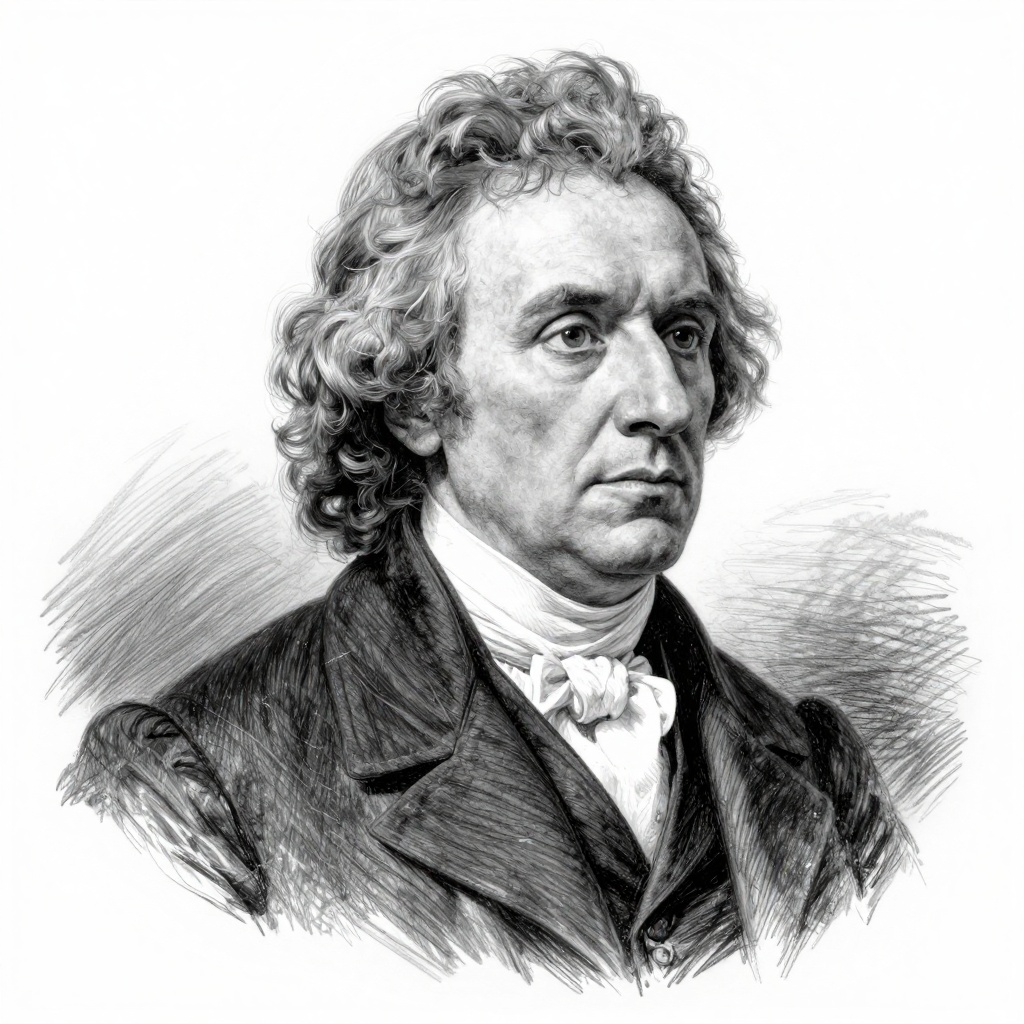
1709–1784·lived 75 years
Samuel Johnson (1709–1784) was an English writer, lexicographer, and critic who is best known for his influential work, "A Dictionary of the English Language," published in 1755. Johnson's witty essays, literary criticism, and biographies were also highly regarded during the 18th century and continue to be studied for their insights into the English language and literature.
Comments