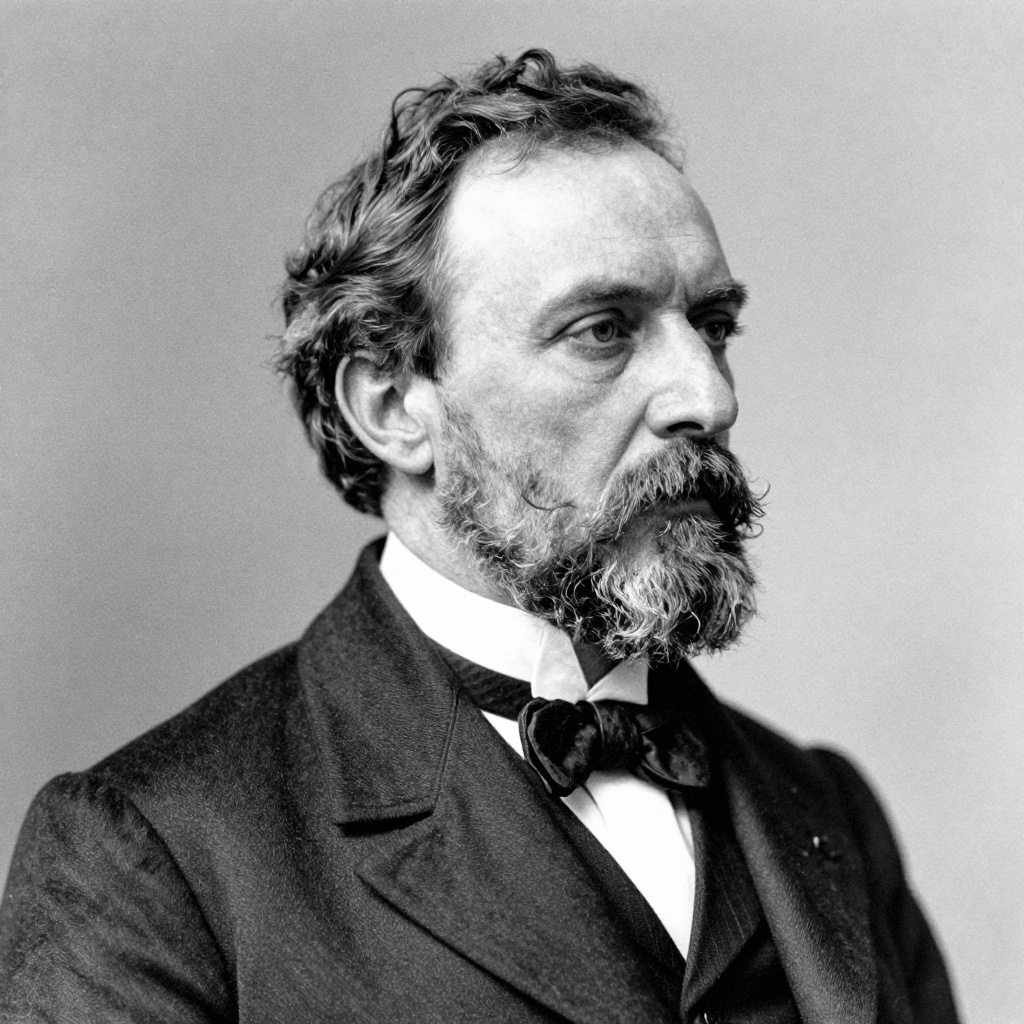
Time is the most valuable thing on earth: time to think, time to act, time to extend our fraternal relations,... — Samuel Gompers

Time is the most valuable thing on earth: time to think, time to act, time to extend our fraternal relations, time to become better men, time to become better women, time to become better and more independent citizens.

Author: Samuel Gompers

Insight: We live like time is infinite, even though we know better. We scroll, we rush, we let days blur together—and then wonder why we haven't done the things that actually matter to us. What Gompers understood is that time isn't just a resource to manage; it's the raw material of becoming who we want to be. You can't grow into a better version of yourself without the space to think clearly, to make deliberate choices, to show up for people you care about. That's not luxury. That's the actual prerequisite. The tricky part is that almost nothing in modern life protects this time for you. Your calendar fills automatically. Notifications demand immediate answers. The default is reactivity—responding to what's urgent rather than what matters. Gompers's list is revealing too: he doesn't separate personal growth from community. Becoming better citizens, strengthening our connections with others, thinking independently—these are tangled together. You can't do one without the other. Real independence isn't isolation; it's having enough breathing room to both think for yourself and genuinely connect with others. The question isn't really whether you have time. It's whether you're willing to guard it like the irreplaceable thing it is.

Time is the material of becoming

Time is the most valuable thing on earth: time to think, time to act, time to extend our fraternal relations, time to become better men, time to become better women, time to become better and more independent citizens.

We live like time is infinite, even though we know better. We scroll, we rush, we let days blur together—and then wonder why we haven't done the things that actually matter to us. What Gompers understood is that time isn't just a resource to manage; it's the raw material of becoming who we want to be. You can't grow into a better version of yourself without the space to think clearly, to make deliberate choices, to show up for people you care about. That's not luxury. That's the actual prerequisite.

The tricky part is that almost nothing in modern life protects this time for you. Your calendar fills automatically. Notifications demand immediate answers. The default is reactivity—responding to what's urgent rather than what matters. Gompers's list is revealing too: he doesn't separate personal growth from community. Becoming better citizens, strengthening our connections with others, thinking independently—these are tangled together. You can't do one without the other. Real independence isn't isolation; it's having enough breathing room to both think for yourself and genuinely connect with others.

The question isn't really whether you have time. It's whether you're willing to guard it like the irreplaceable thing it is.

AI generated

Comments

Sign in to leave a comment or reply to one.

Sign in

Samuel Gompers

Samuel Gompers was an American labor union leader and key figure in the labor movement, born on January 27, 1850, in London, England, and immigrating to the United States in 1863. He founded the American Federation of Labor (AFL) in 1886 and served as its president for nearly 40 years, advocating for workers' rights, fair wages, and improved working conditions. Gompers is known for promoting the idea of collective bargaining and for his significant role in shaping organized labor in the United States.

Graph

Related