Quote · Added 19 February 2026
Sex and religion are closer to each other than either might prefer.
No ratings yet
Filed undersex·religion·complexity
Quote · Added 19 February 2026
Filed undersex·religion·complexity
We usually think of sex and religion as opposing forces—one earthy and forbidden, the other spiritual and pure. But More points to something trickier: they're both about surrender, intensity, and meaning-making. Both promise transcendence. Both come with rules that people constantly bend or break. Both inspire devotion that can look obsessive from the outside. And both carry deep shame for people who feel they're doing them wrong.
The tension shows up everywhere if you pay attention. Religious traditions obsess over sexual ethics in ways that suggest they understand sex's power to reshape how people think and feel. Meanwhile, people often approach sex with an almost religious hunger—seeking redemption, identity, or proof of being loved. We speak of "saving ourselves" or needing "release" or searching for "the one." The language bleeds together because the underlying need is similar: we want to feel connected to something larger than ourselves, something that makes us feel less alone.
Maybe More's point isn't that they're similar by accident. Both touch the most vulnerable parts of how we experience being human. We're drawn to them, anxious about them, and invested in controlling how others approach them. Recognizing they share this power might help us be gentler about the complicated ways people actually live with both.
1478–1535·lived 57 years
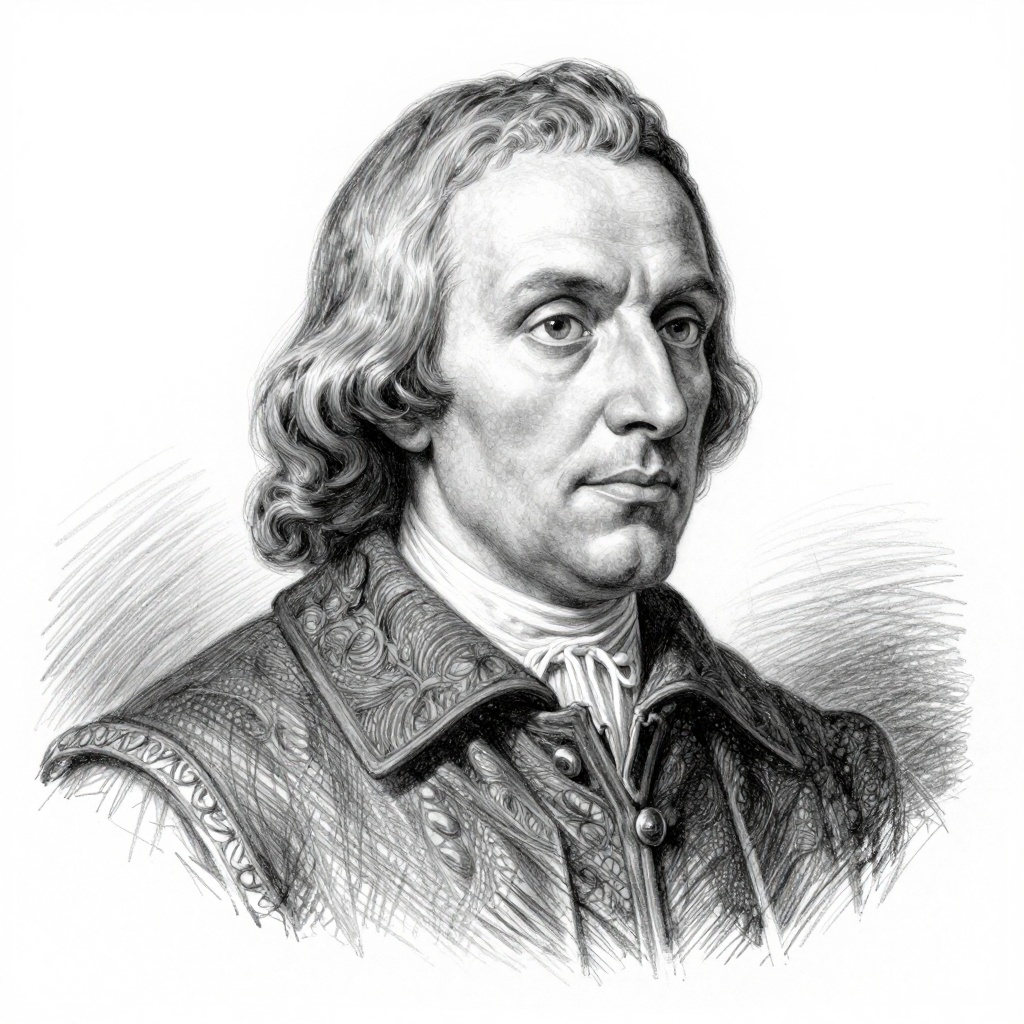
Saint Thomas More (1478-1535) was an English lawyer, politician, and author, best known for his work "Utopia," which depicts an ideal society. He served as Lord Chancellor under King Henry VIII but opposed the king's separation from the Catholic Church, leading to his execution for treason. More is recognized as a martyr and saint in the Catholic Church, celebrated for his commitment to his principles and faith.
Comments