Quote · Added 14 February 2026
Have patience. All things are difficult before they become easy.
Saadi ShiraziThe Sacred Anthology, p. 211, 1874
No ratings yet
Filed underpatience·difficulty·growth
Quote · Added 14 February 2026
Filed underpatience·difficulty·growth
Most of us know this intellectually, but we feel it like a failure when we're in month two of learning guitar and our fingers still hurt. We compare ourselves to the polished end result—the person who plays effortlessly—and forget that person spent hundreds of invisible hours being terrible at it first. The gap between knowing something matters and actually living it with patience is where most people quit.
What's tricky is that "difficult" doesn't just mean hard work. It means the phase where progress feels invisible. You're journaling but don't feel happier yet. You're running but still hate it. You're learning a language but can barely order coffee. That's the exact moment when patience becomes a real skill, not just a nice idea. It's recognizing that the struggle itself is part of the process, not evidence you're doing it wrong.
The payoff of patience is real, though—it's not just about eventually becoming good. It's about the particular satisfaction of reaching a point where something clicked, where your hands know what to do before your brain catches up. That only happens to people who stayed patient long enough to cross from the difficult phase to the easy one. The alternative is a life of perpetual quitting, just before things would have gotten good.
1210–1291·lived 81 years
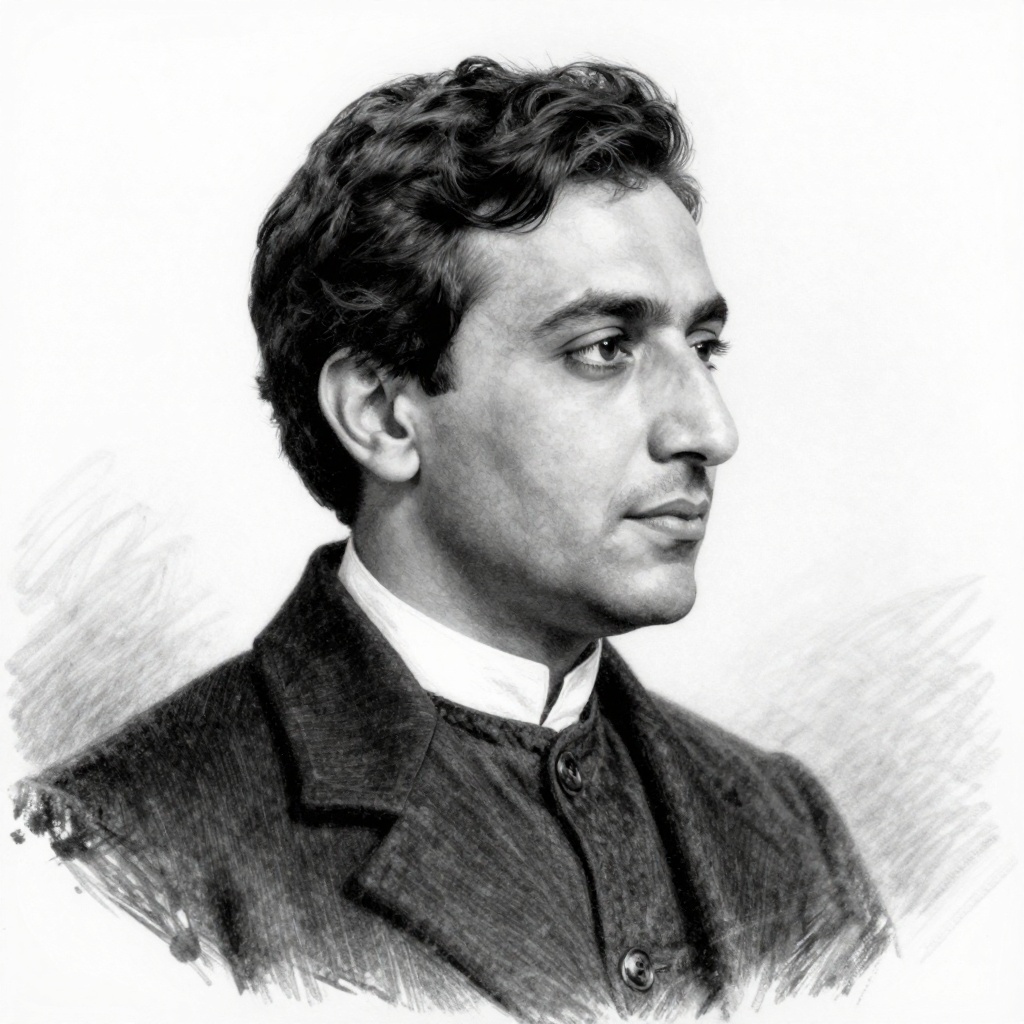
Saadi Shirazi was a Persian poet and prose writer, born in the 13th century in Shiraz, Iran. He is best known for his works "Gulistan" (The Rose Garden) and "Bustan" (The Orchard), which are celebrated for their moral lessons and insights into human nature. Saadi's eloquent use of language and profound themes have made him a prominent figure in Persian literature.
Comments