Quote · Added 14 February 2026
Imagination creates reality.
Richard WagnerIn Richard Wagner: Music & Art — The Meaning of Life, Excellence Reporter, 2021
No ratings yet
Filed underimagination·reality·creation
Quote · Added 14 February 2026
Filed underimagination·reality·creation
We tend to think imagination and reality are opposites—one is what you daydream about, the other is what actually happens. But Wagner's insight flips that. The person who imagines themselves as capable, confident, and resilient often becomes exactly that. Not through magic, but because imagination shapes how you move through the world. You notice different opportunities. You try harder. You interpret setbacks differently. Meanwhile, someone who imagines failure usually finds it, not because the universe conspired, but because their expectations narrowed their choices.
This works in practical ways too. An architect imagines a building before it exists. A parent imagines the kind of household they want to create, and that vision influences thousands of small decisions. Even a struggling company that collectively imagines a better future starts making different moves than one trapped in despair. The imagination isn't separate from reality—it's the invisible blueprint that reality builds itself around.
The tricky part is that we're often not consciously choosing our imaginings. They're shaped by habit, past disappointments, or what we absorb from those around us. Which means the most practical thing you can do is occasionally pause and ask: what am I actually imagining about this situation? Because that answer might already be writing your future.
1813–1883·lived 69 years
Richard Wagner was a German composer, conductor, and theater director, born on May 22, 1813, in Leipzig, Germany. He is best known for his groundbreaking operas, such as "The Ring Cycle" and "Tristan und Isolde," which revolutionized the operatic form and infused it with rich philosophical and emotional depth. Wagner's innovative use of harmony, orchestration, and dramatic structure has had a lasting influence on music and opera.
Also by Richard Wagner
Joy is not in things; it is in us.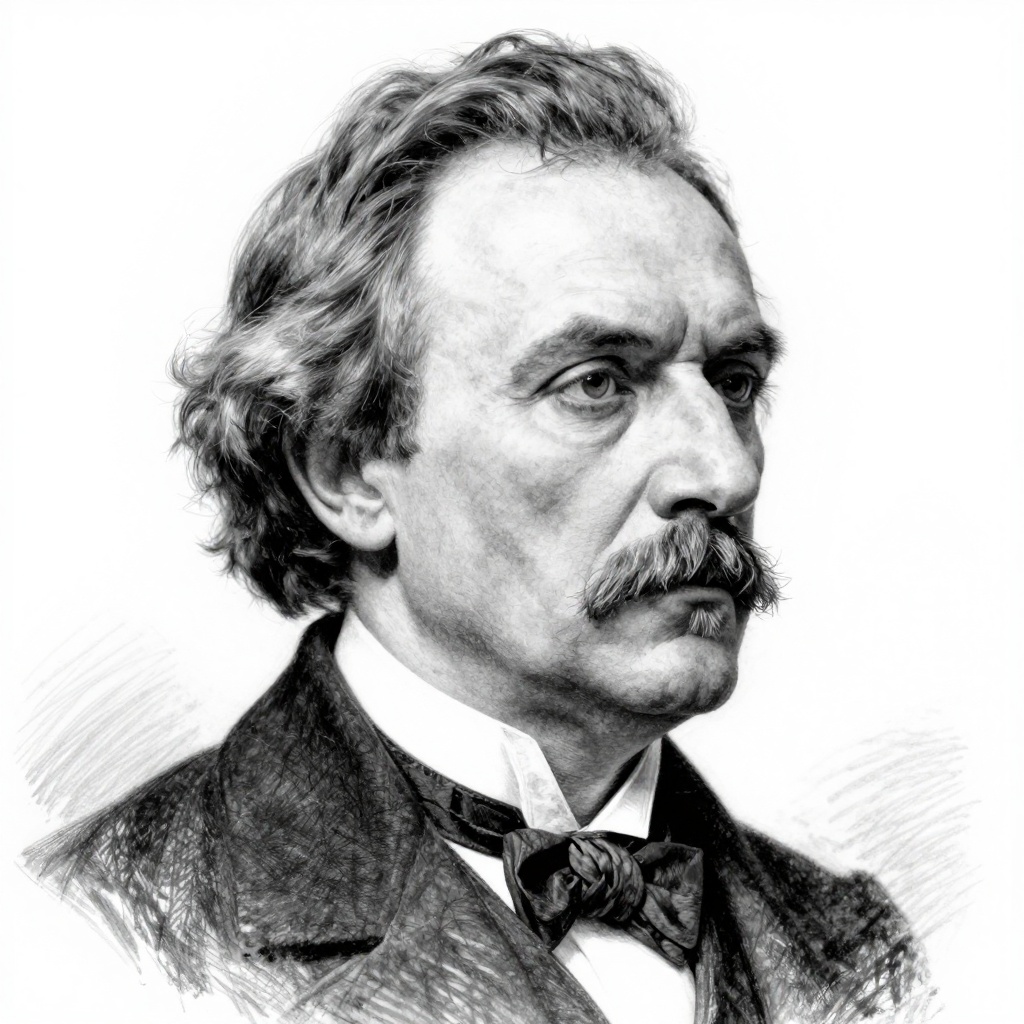
Comments