Quote · Added 14 February 2026
I could not love thee, dear, so much, loved I not honor more.
Richard LovelaceLucasta, 1649
No ratings yet
Quote · Added 14 February 2026
There's something almost uncomfortable about this line when you first read it. It sounds like a rejection dressed up as poetry—like someone saying "I love you, but not as much as I love my principles." And maybe that's exactly what it is. But the real tension Lovelace captures isn't about choosing between two people or even two abstract ideals. It's about recognizing that true love and integrity are actually tangled together.
We live in a time when love is often treated as the ultimate trump card, the thing that should override everything else. If you love someone enough, the logic goes, you'll compromise anything for them. But Lovelace suggests something different: that people of actual character don't compartmentalize like that. The version of you that someone loves is partly shaped by the version that keeps its word, stands by its values, and doesn't crumble when tested. Abandon your honor and you're not even the same person they fell in love with.
This matters especially in relationships where we're tempted to shrink ourselves or make promises we can't keep just to keep someone close. The paradox is that maintaining your integrity—your honor—often strengthens rather than weakens love. It means you're loving from a position of wholeness instead of neediness.
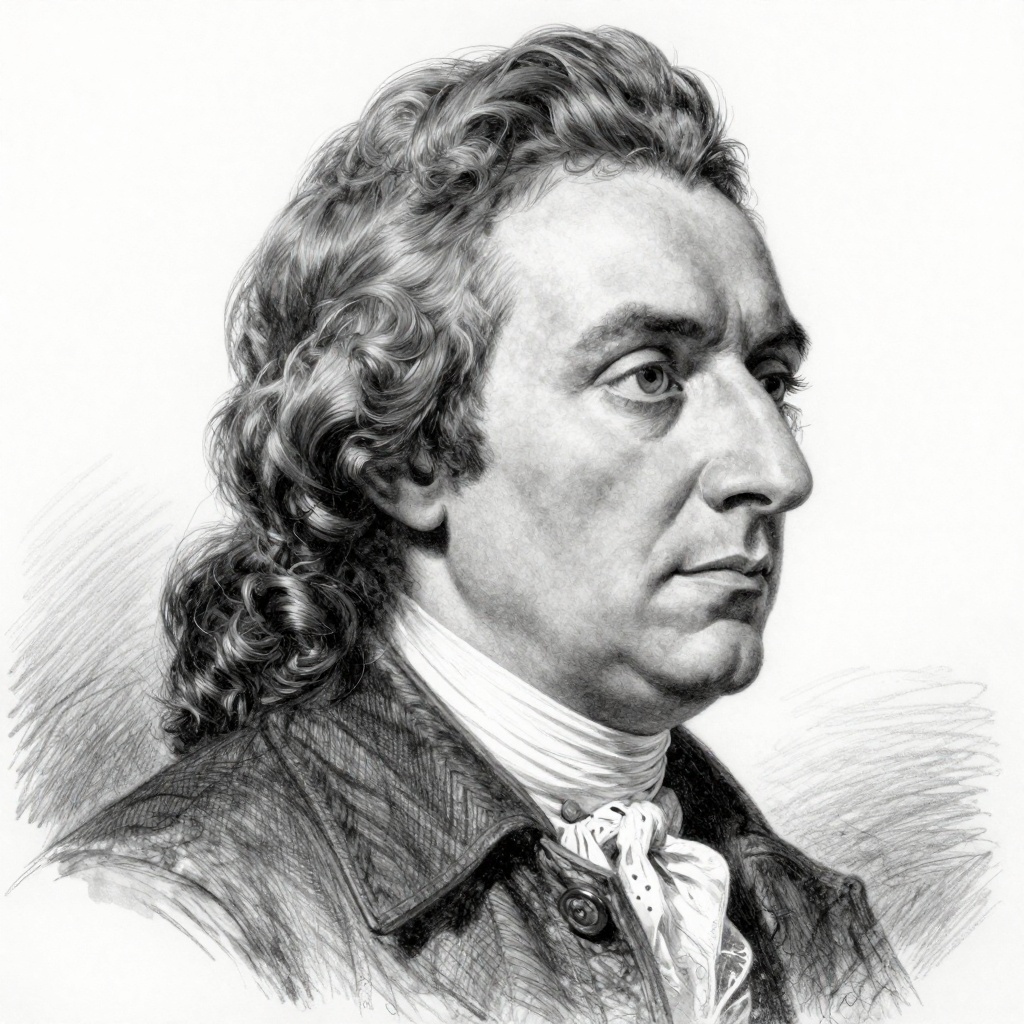
1618–1657·lived 38 years
Richard Lovelace was an English poet born in 1618, known for his lyrical poetry and his association with the Cavalier poets during the English Civil War. He is best remembered for his works such as "To Althea, from Prison" and "The Grasshopper," which reflect themes of love and loyalty. Lovelace's life was marked by his imprisonment for his royalist sympathies, and he died in 1658.
Comments