Quote · Added 14 February 2026
Won't you come into the garden? I would like my roses to see you.
Richard Brinsley SheridanAlaska Master Gardeners Association Newsletter, August 2002
Filed undergarden·beauty·invitation
Quote · Added 14 February 2026
Filed undergarden·beauty·invitation
There's something disarming about this line—it flips the usual reason for showing off your garden. Most people invite someone over to see what they've grown, as if the garden exists to impress. But Sheridan suggests the roses themselves want to see the visitor. It's a small reversal that reframes hospitality as a gift to others, not a display of your own efforts.
In practice, this matters more than it sounds. When you stop treating your home, your work, or even your relationships as things meant to showcase your own achievement, something shifts. You start noticing what makes other people light up rather than what makes you look good. A meal becomes about nourishing someone you care about, not proving you can cook. Time with friends becomes about their company mattering, not about looking like someone worth knowing.
The roses in this quote aren't really about flowers at all—they're about whatever brings you joy and beauty. And the invitation isn't really polite small talk. It's an honest acknowledgment that the people we care about are worth sharing those good things with, simply because they exist. That kind of generosity, offered without calculation, is probably more rare and more valuable than any perfectly pruned garden.
1751–1816·lived 64 years
Richard Brinsley Sheridan was an Irish playwright, poet, and politician, born on October 30, 1751. He is best known for his comedic works, including "The School for Scandal" and "The Rivals," which are celebrated for their sharp wit and social commentary. In addition to his literary contributions, Sheridan served as a member of the British Parliament and was a prominent figure in the London theatrical scene.
Also by Richard Brinsley Sheridan
Fertilizer does no good in a heap, but a little spread around works miracles all over.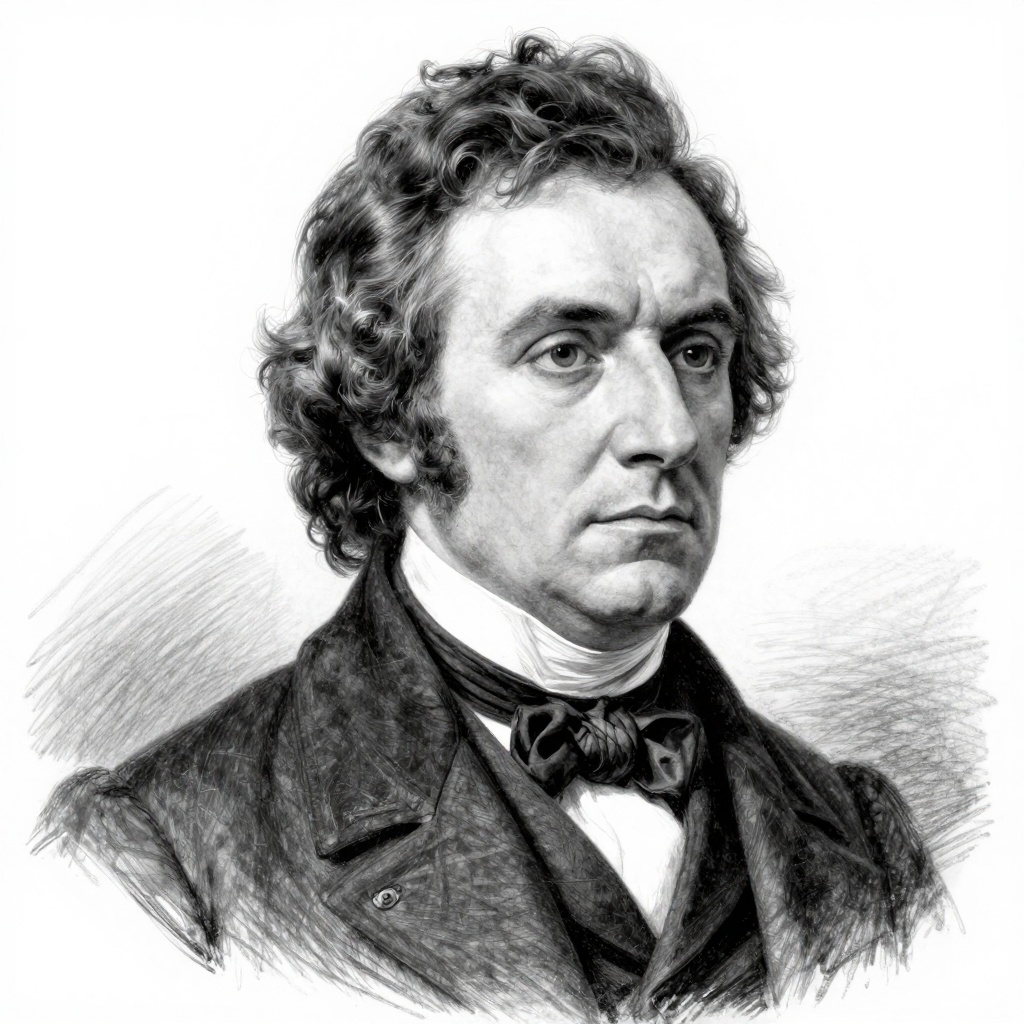
Comments