Quote · Added 28 February 2026
I shut my eyes in order to see.
No ratings yet
Filed undervision·introspection·perception
Quote · Added 28 February 2026
Filed undervision·introspection·perception
We live in an age of constant visual noise. Our eyes are always on, scrolling through feeds, scanning screens, taking in more images in a day than people once saw in a lifetime. Yet somehow this overflow of seeing makes us see less. We miss the texture of things, the small details that actually matter, the interior landscape we're too distracted to notice.
What Gauguin understood is that real vision often requires stepping back from the surface. Closing your eyes isn't about giving up on seeing—it's about seeing differently. It's how you remember a face vividly, how you solve a problem that's been nagging you, how you access your own taste and judgment rather than just consuming what's handed to you. When you stop passively receiving images, you start actively creating meaning from memory, intuition, and imagination.
This feels urgent now because the pressure to be constantly, demonstrably seeing—to photograph it, share it, prove we were there—has become almost reflexive. But the most important things we see are often invisible to cameras: the shape of your own ambition, what you actually believe in, who you want to become. Sometimes the clearest vision requires a deliberate blindness to everything except what matters.
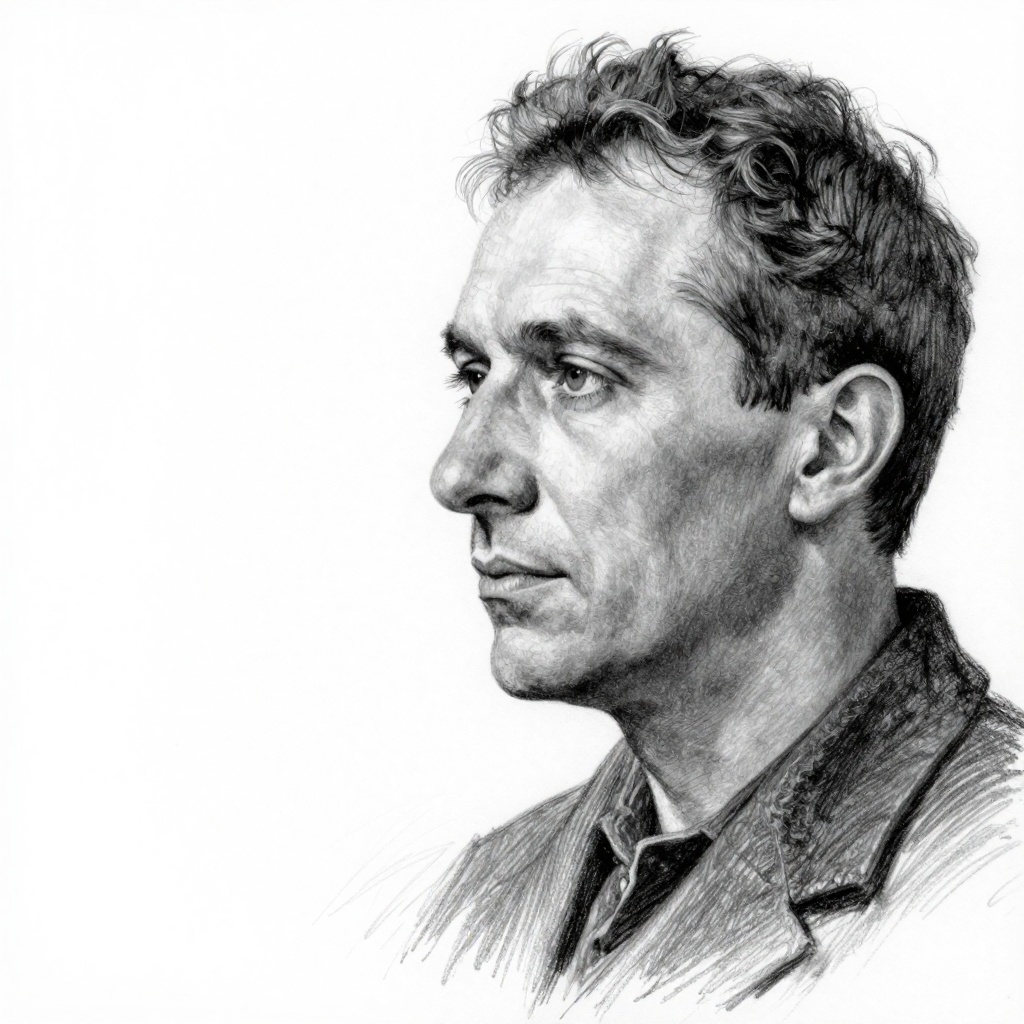
1848–1903·lived 54 years
Paul Gauguin was a French post-Impressionist painter born on June 7, 1848, in Paris. He is known for his bold colors, synthetist style, and innovative use of symbolism, which had a significant influence on 20th-century art. Gauguin is particularly famous for his paintings created in Tahiti, where he sought inspiration from the local culture and landscapes.
Comments