Guard with jealous attention the public liberty. Suspect everyone who approaches that jewel. Unfortunately, no... — Patrick Henry

Guard with jealous attention the public liberty. Suspect everyone who approaches that jewel. Unfortunately, nothing will preserve it but downright force. Whenever you give up that force, you are inevitably ruined.

Author: Patrick Henry

Insight: This quote cuts against something we'd all like to believe: that freedom is self-sustaining, that once we have it, we can relax. But Henry's warning suggests the opposite—liberty isn't a possession you acquire once and keep forever. It's more like a muscle that atrophies the moment you stop using it. When we become complacent about our rights, when we assume the institutions protecting them will just hum along without our attention, we've already started losing ground. What's bracing about "downright force" isn't that Henry means physical violence. He means active engagement—the willingness to show up, pay attention, call out overreach, and sometimes make ourselves uncomfortable by pushing back. Today, this shows up in small ways: questioning why a policy exists, refusing to go along with something just because it's easier, voting even when it feels inconvenient. It also shows up larger, in protests, journalism, and civic participation that feels harder each year. The jealous attention part might seem paranoid until you notice how often power creeps in quietly, through small surrenders we barely register. We trade privacy for convenience, attention for distraction. The quote reminds us that staying free isn't passive—it demands the same energy that defending any valuable thing does.
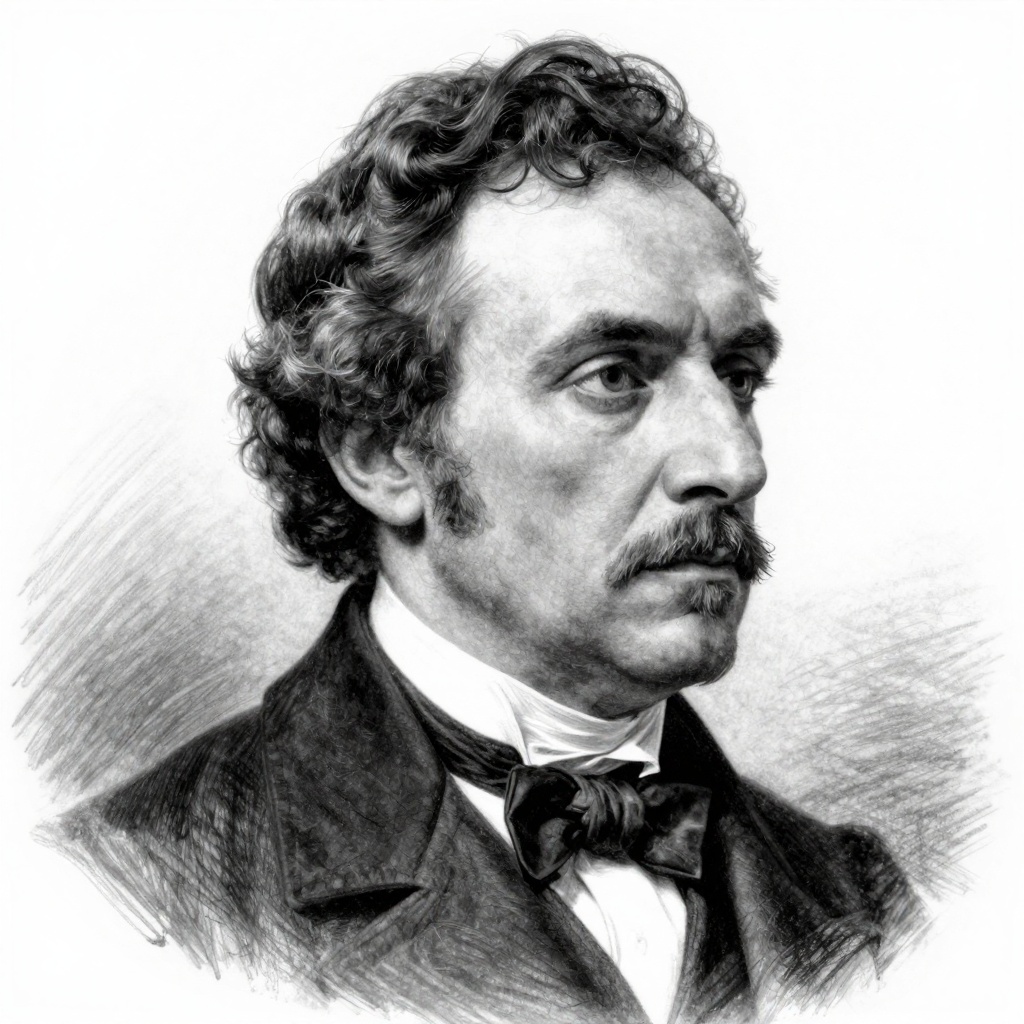
Freedom requires constant, active defense

Guard with jealous attention the public liberty. Suspect everyone who approaches that jewel. Unfortunately, nothing will preserve it but downright force. Whenever you give up that force, you are inevitably ruined.

This quote cuts against something we'd all like to believe: that freedom is self-sustaining, that once we have it, we can relax. But Henry's warning suggests the opposite—liberty isn't a possession you acquire once and keep forever. It's more like a muscle that atrophies the moment you stop using it. When we become complacent about our rights, when we assume the institutions protecting them will just hum along without our attention, we've already started losing ground.

What's bracing about "downright force" isn't that Henry means physical violence. He means active engagement—the willingness to show up, pay attention, call out overreach, and sometimes make ourselves uncomfortable by pushing back. Today, this shows up in small ways: questioning why a policy exists, refusing to go along with something just because it's easier, voting even when it feels inconvenient. It also shows up larger, in protests, journalism, and civic participation that feels harder each year.

The jealous attention part might seem paranoid until you notice how often power creeps in quietly, through small surrenders we barely register. We trade privacy for convenience, attention for distraction. The quote reminds us that staying free isn't passive—it demands the same energy that defending any valuable thing does.

AI generated

Comments

Sign in to leave a comment or reply to one.

Sign in

Patrick Henry

Patrick Henry (1736–1799) was an American attorney, planter, and politician who played a significant role in the American Revolutionary War. He is best known for his powerful speeches advocating for independence from Great Britain, including his famous line "Give me liberty, or give me death!" Henry later served as the first post-colonial Governor of Virginia.

Graph

Related