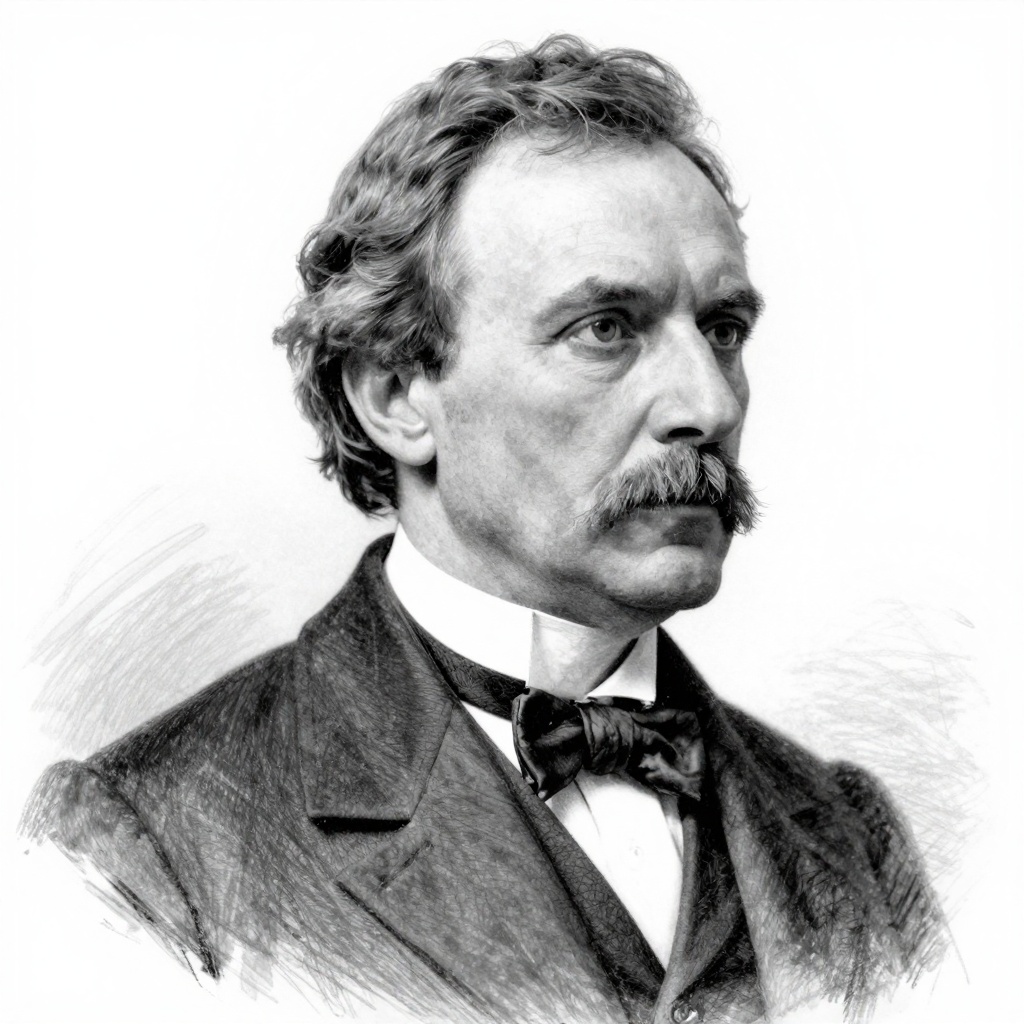
There is no medicine like hope, no incentive so great, and no tonic so powerful as expectation of something be... — Orison Swett Marden
There is no medicine like hope, no incentive so great, and no tonic so powerful as expectation of something better tomorrow.
Author: Orison Swett Marden
Insight: Hope works like a physical remedy precisely because our minds don't distinguish cleanly between belief and biology. When you genuinely expect tomorrow to be better, your nervous system settles. You sleep a little easier. You notice opportunities you would have glossed over in despair. You're more likely to take small actions that actually move things forward. It's not magical thinking—it's the difference between a body braced for disaster and one that's open to possibility. The tricky part is that hope isn't something you can fake yourself into, and it's not the same as blind optimism. Real hope is quieter than that. It's the specific expectation that something can shift, even if you're not sure exactly what. Someone struggling with depression might hope for one better hour, not a transformed life. A person stuck in a bad job might hope that the next application leads somewhere, not that rescue is guaranteed. That modest, particular kind of expectation—grounded enough to feel honest—is what rewires how you move through difficult seasons. What makes this observation so enduring is that we keep needing the reminder. When life gets heavy, we reach for solutions: better information, harder effort, different circumstances. But sometimes the most practical thing we can do is simply refuse to lock the door on tomorrow's possibility. That shift alone changes which actions feel worth taking.