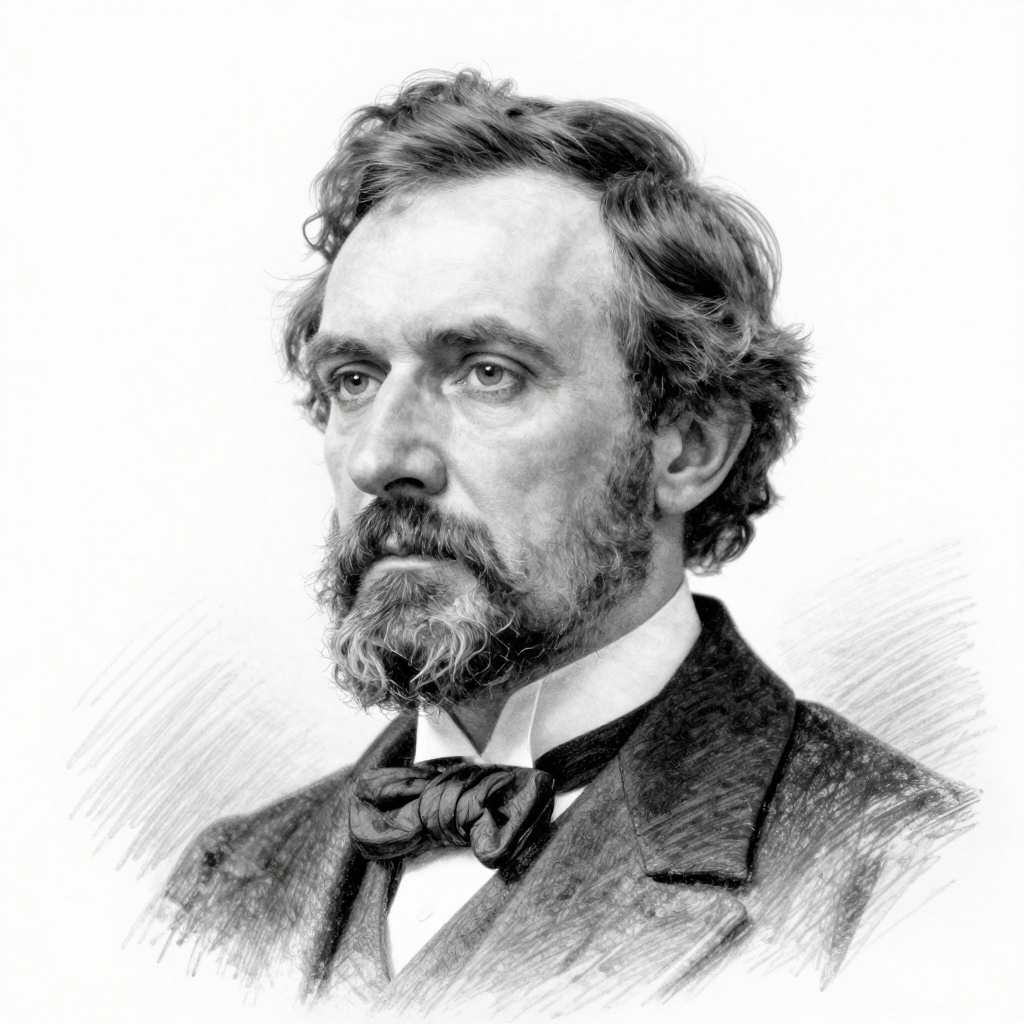
I hate facts. I always say the chief end of man is to form general propositions - adding that no general propo... — Oliver Wendell Holmes, Sr.

I hate facts. I always say the chief end of man is to form general propositions - adding that no general proposition is worth a damn.

Author: Oliver Wendell Holmes, Sr.

Insight: This sounds like a contradiction, but it's actually a perfect description of how we actually think. Holmes is capturing that tension between our need to simplify the world into rules and our frustration that those rules always fall apart the moment reality shows up. We do this constantly—we'll swear by a productivity hack until we hit a day where it doesn't work, or we'll say "people like this" only to meet someone who completely contradicts it. What makes this view radical is that Holmes isn't saying we should stop making generalizations. He's saying the generalizations themselves aren't the point. The real thinking happens in the messy gap between the rule and the exception, between what we said yesterday and what today demands. A doctor's diagnosis is worthless without knowing the specific patient. A budget means nothing without understanding your actual life. We need both the frameworks and the willingness to abandon them. This is actually liberating. It means you're allowed to have principles without being enslaved by them, to notice patterns without pretending they're laws. The best decision-makers aren't the ones who follow their rules most rigidly—they're the ones who know when to break them because they've learned that reality is always weirder and more specific than any general statement can capture.

Rules Break When Reality Shows Up

I hate facts. I always say the chief end of man is to form general propositions - adding that no general proposition is worth a damn.

This sounds like a contradiction, but it's actually a perfect description of how we actually think. Holmes is capturing that tension between our need to simplify the world into rules and our frustration that those rules always fall apart the moment reality shows up. We do this constantly—we'll swear by a productivity hack until we hit a day where it doesn't work, or we'll say "people like this" only to meet someone who completely contradicts it.

What makes this view radical is that Holmes isn't saying we should stop making generalizations. He's saying the generalizations themselves aren't the point. The real thinking happens in the messy gap between the rule and the exception, between what we said yesterday and what today demands. A doctor's diagnosis is worthless without knowing the specific patient. A budget means nothing without understanding your actual life. We need both the frameworks and the willingness to abandon them.

This is actually liberating. It means you're allowed to have principles without being enslaved by them, to notice patterns without pretending they're laws. The best decision-makers aren't the ones who follow their rules most rigidly—they're the ones who know when to break them because they've learned that reality is always weirder and more specific than any general statement can capture.

AI generated

Comments

Sign in to leave a comment or reply to one.

Sign in

Oliver Wendell Holmes, Sr.

Oliver Wendell Holmes, Sr. (1809-1894) was an American physician, poet, and writer, best known for his contributions to literature and medicine. He was a prominent figure in the Cambridge, Massachusetts literary scene and gained fame for his essays, particularly those published in The Atlantic Monthly, and for his notable poem "Old Ironsides." Holmes was also a founding member of the Boston Society for Medical Improvement and served as a professor at Harvard Medical School.

Graph

Related