Quote · Added 14 February 2026
Reading
AI generatedWhen Logic Leaves You Broken
We live in an age that worships logic. Everything needs to be explained, quantified, justified with data. But this works only up to a point—reason is brilliant at solving problems, but it's terrible at touching the parts of us that feel lost or numb. When you're grieving, no amount of logical explanation makes sense of absence. When you're lonely in a crowded room, no rational argument changes how you feel. This is where poetry, or anything genuinely imaginative, steps in. It doesn't argue with reason; it goes somewhere else entirely, using images and rhythm to access the parts of ourselves that pure logic can't reach.
The wounds inflicted by reason aren't really its fault. It's more that reason alone—treated as the only valid way to understand life—leaves us spiritually underfed. We can know exactly why something should be fine and still feel broken by it. Poetry works because it doesn't try to solve the problem. Instead, it holds space for contradiction and complexity and feeling, which is often all we actually need. A good line can do what a hundred explanations cannot: it can make you feel less alone in what doesn't make sense.
The author
All 2 quotes by Novalis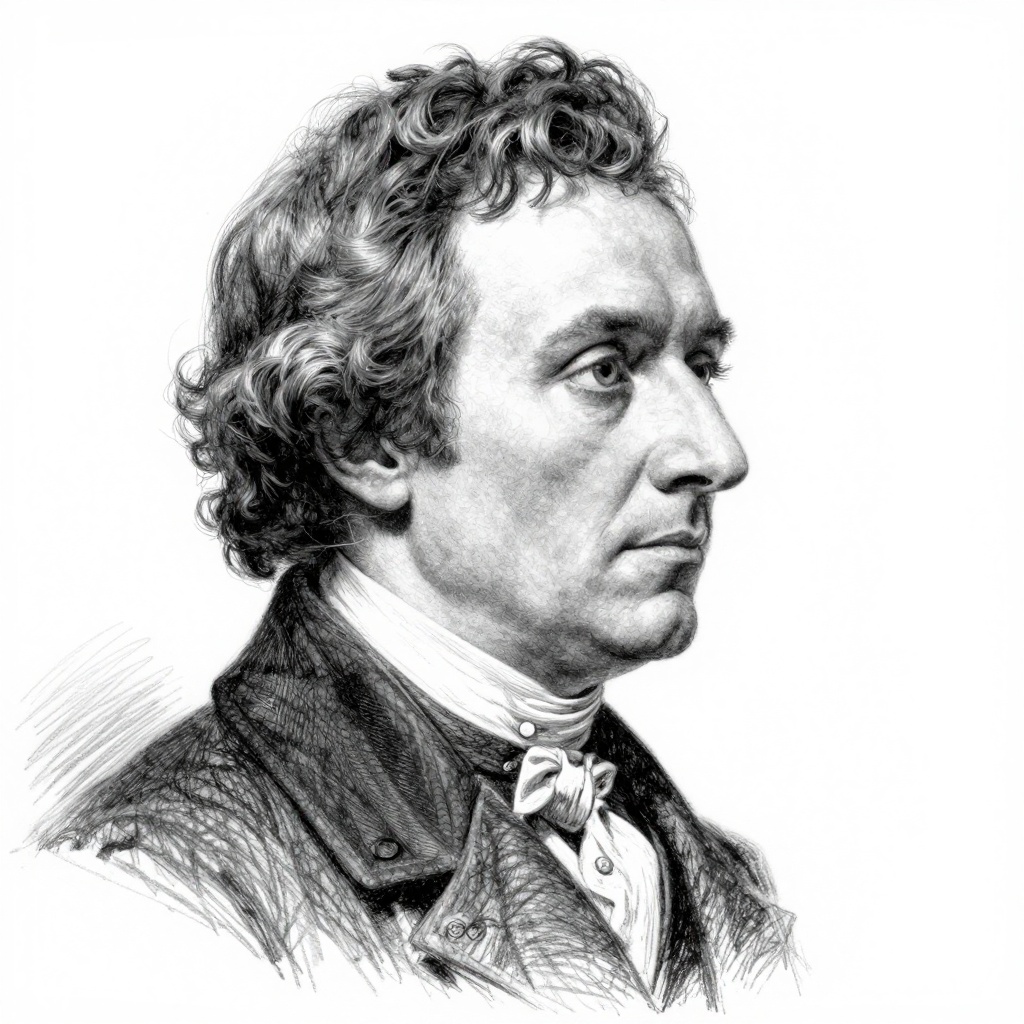
Novalis
d. 1801
Novalis, born Georg Philipp Friedrich Freiherr von Hardenberg on May 2, 1772, was a German poet, novelist, and philosopher associated with the early Romantic movement. He is best known for his lyrical poetry and for his unfinished novel "Heinrich von Ofterdingen," which explores themes of love, nature, and the quest for the ideal. Novalis's work significantly influenced German literature and philosophy, particularly through his ideas on spirituality and the nature of reality.
Also by Novalis
Knowledge is only one half. Faith is the other.
Comments