Quote · Added 13 February 2026
Happiness is a butterfly, which when pursued, is always just beyond your grasp, but which, if you will sit down quietly, may alight upon you.
Nathaniel HawthorneFor the Crescent, The Daily Crescent, 1848
No ratings yet
Quote · Added 13 February 2026
We've all felt it—that frantic chase after the feeling we think will make everything click into place. We optimize our schedules, buy the thing we've been eyeing, finally land the promotion, and then... the happiness we were so sure about either never shows up or vanishes almost immediately. The problem isn't that we're doing the wrong things. It's that we're doing them from a place of desperate grasping.
Hawthorne's insight cuts at something real: happiness tends to arrive sideways, when we're not white-knuckling for it. It's the unexpected laugh with a friend, the quiet morning with coffee, the moment you realize you're actually engaged in what you're doing right now. These don't come from a checklist. They come from a kind of settled presence that our achievement-obsessed culture actively trains out of us.
The weird part is that sitting quietly doesn't mean doing nothing. It means shifting from "I must have this" to "I'm available for this." That subtle reorientation—from demand to openness—actually changes what you notice and what sticks with you. The butterfly isn't avoiding you. You're just moving too fast to see it land.
1804–1864·lived 59 years
Nathaniel Hawthorne (1804–1864) was an American novelist and short story writer known for his works exploring themes of sin, guilt, and the complexities of human nature. He is best known for his novel "The Scarlet Letter" which has become a classic of American literature, depicting the harsh realities of Puritan society in 17th-century New England.
Also by Nathaniel Hawthorne
Sunlight is painting.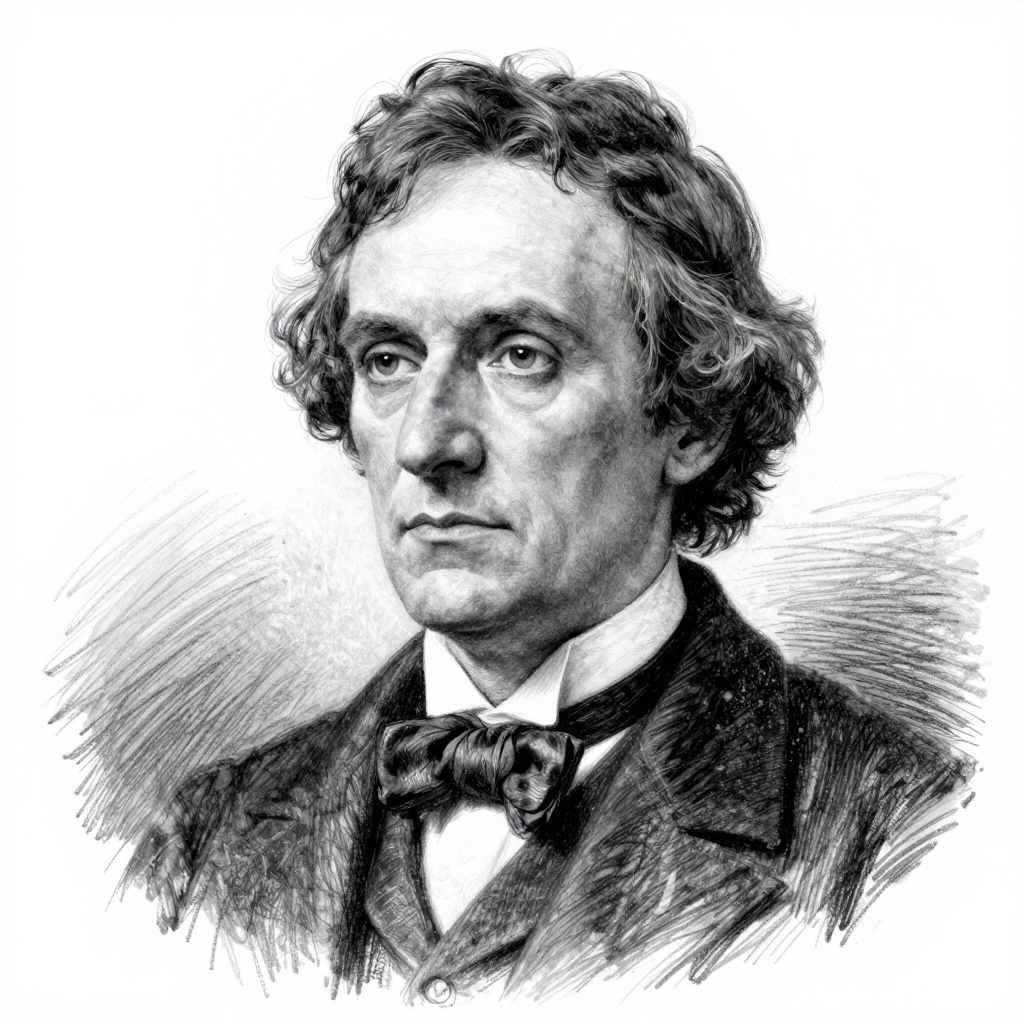
Comments