Quote · Added 14 February 2026
Who controls the issuance of money controls the government!
No ratings yet
Quote · Added 14 February 2026
We live in a world that rarely asks where money actually comes from, yet this question sits at the heart of almost every major decision a government makes. When a central bank can print currency, set interest rates, and flood the economy with money or tighten it, they're not just managing numbers—they're shaping what people can afford, whether businesses hire, and whose plans get funded. It's not quite a conspiracy, but it is a form of power that operates quietly, behind the scenes.
The tricky part is that this power isn't as simple as one person or even one institution holding all the strings. Modern economies are tangled webs of private banks, government treasuries, and central banks all negotiating with each other. Yet the principle still holds: whoever controls money supply has enormous leverage over national priorities. Interest rates affect everything from house prices to job availability. Currency manipulation shifts entire industries. Debt issuance determines what future generations pay for.
What makes this relevant today isn't paranoia about shadowy financiers—it's recognizing that monetary policy isn't neutral or purely technical. It's fundamentally political. When you understand that money creation and government decisions are intertwined, you start asking better questions about who benefits from inflation, who pays for stimulus packages, and why certain financial crises trigger massive rescue efforts while others don't.
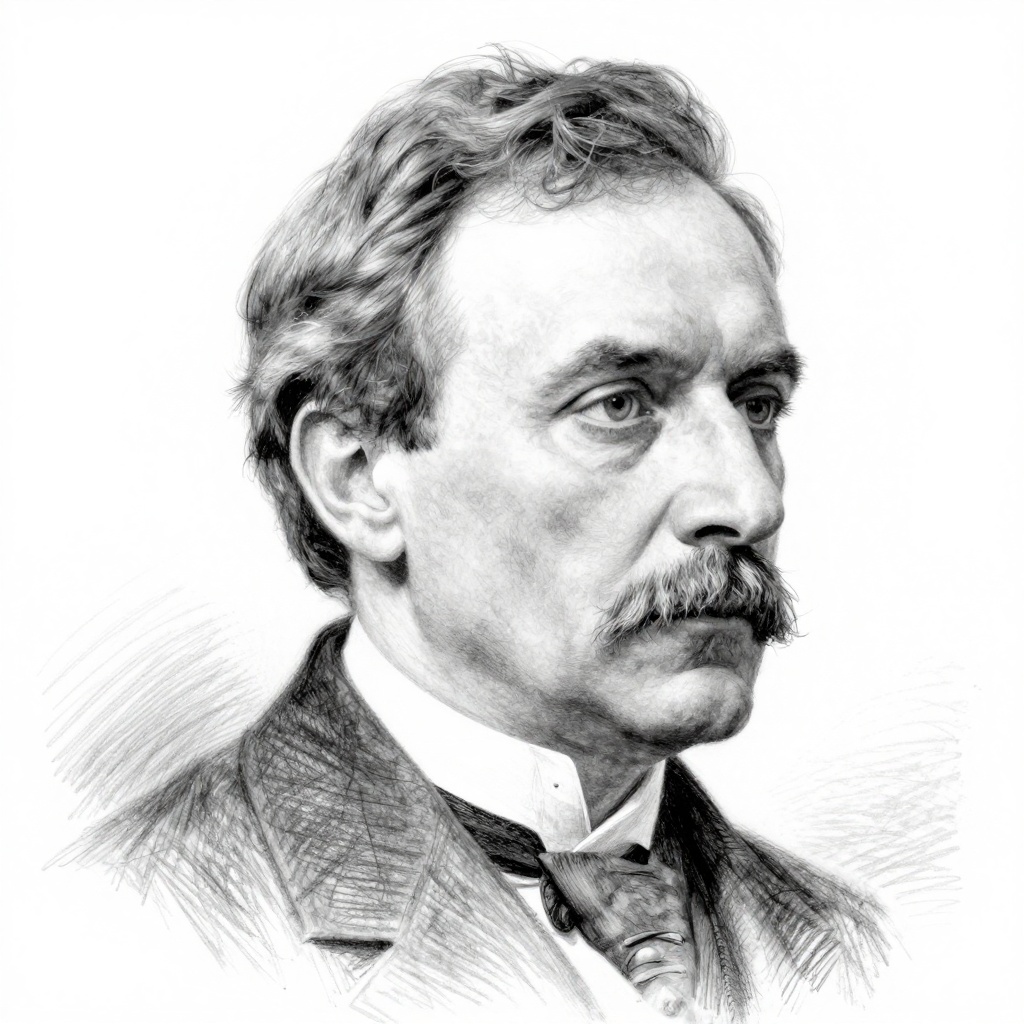
1777–1836·lived 58 years
Nathan Meyer Rothschild (1777-1836) was a prominent British banker and a key figure in the Rothschild banking family. Known for his financial acumen, he played a crucial role in the development of international finance, particularly during the Napoleonic Wars, and was influential in establishing the family's banking empire across Europe. Rothschild is often credited with innovations in bond issuance and investment practices.
Comments