Quote · Added 23 September 2023
We exaggerate misfortune and happiness alike. We are never as bad off or as happy as we say we are.
Michel de MontaigneThe Essays of Montaigne, Book I, Chapter XXXVII
Filed underexaggeration·perception·emotions
Quote · Added 23 September 2023
Filed underexaggeration·perception·emotions
When something goes wrong, we have a tendency to narrate it like a tragedy. The project failed, the relationship ended, the opportunity was lost—and suddenly our entire situation feels dire. We forget that this one setback exists alongside all the other parts of our life that are actually working fine. The same happens in reverse: we win something small and declare it the best day ever. Our brains seem wired to make mountains out of molehills, turning ordinary moments into either disasters or triumphs.
What's tricky is that this isn't really dishonesty. We genuinely feel the intensity in those moments. But Montaigne is pointing to something useful: reality is usually more stable and mixed than the story we're telling ourselves. Most of us are somewhere in the middle most of the time—not ruined, not euphoric. Recognizing this doesn't mean dismissing real pain or joy. It just means leaving some space between what we feel and what we claim. That gap is where clearer thinking happens. When you catch yourself saying "everything is falling apart," you might pause and ask: is that actually true, or am I just experiencing a bad week? The honest answer is usually more forgiving than your first dramatic version.
1533–1592·lived 59 years
Michel de Montaigne was a French philosopher known for popularizing the essay as a literary genre. He is famous for his collection of essays titled "Essais," where he explored a wide range of subjects with honesty, skepticism, and wit, influencing generations of writers and thinkers.
Also by Michel de Montaigne
Valor is stability, not of legs and arms, but of courage and the soul.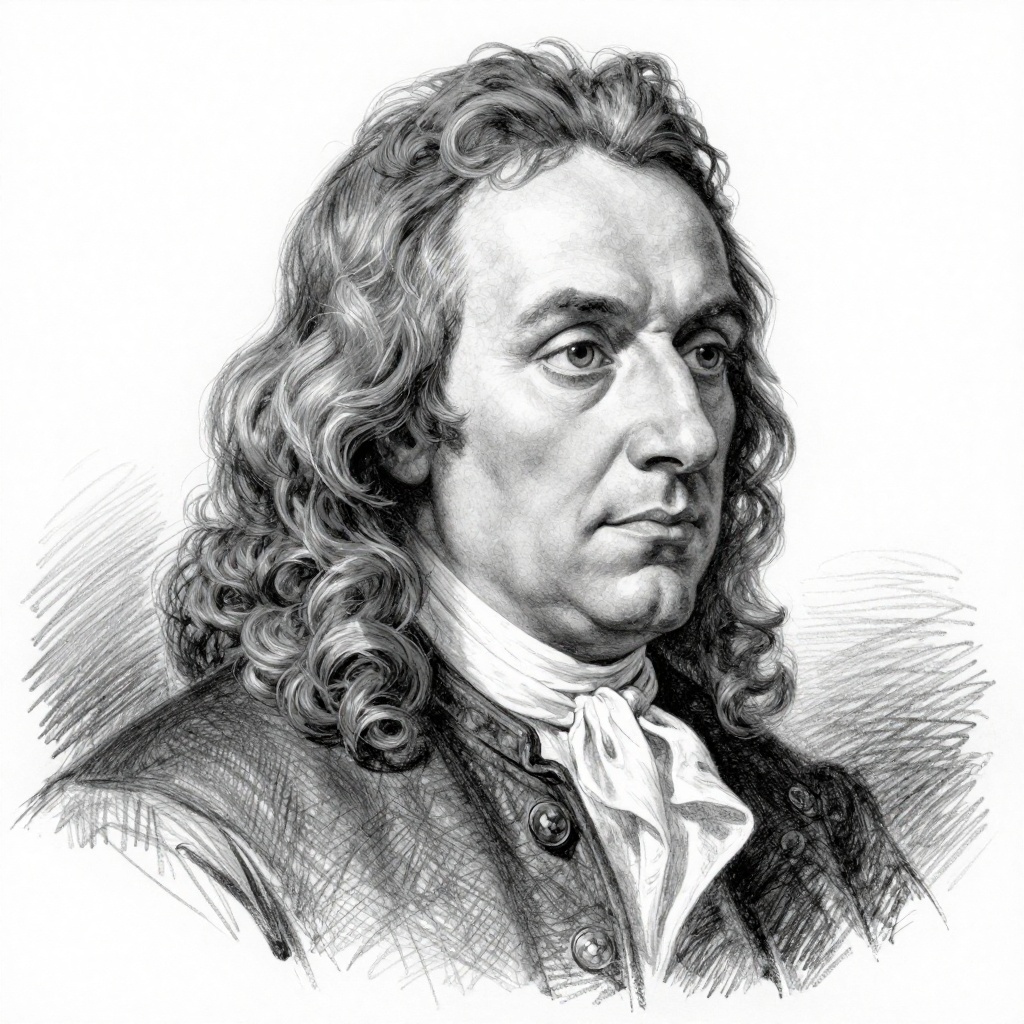
Comments