Quote · Added 16 December 2023
Do not wish that all things will go well with you, but that you will go well with all things.
Michel de MontaigneThe Essays of Montaigne, Complete, Project Gutenberg, 2001
Filed underwell-being·resilience·harmony
Quote · Added 16 December 2023
Filed underwell-being·resilience·harmony
The difference here is subtle but changes everything. Most of us spend energy hoping life will cooperate—that the job interview goes smoothly, the weather cooperates, people understand us correctly. We're betting our peace of mind on circumstances we can't fully control. But Montaigne's flip suggests something more reliable: what if the goal was to develop the kind of resilience and flexibility that lets you handle whatever actually happens?
This matters more now than ever because we've built lives that demand constant optimization of external conditions. We curate playlists, control our environments, customize everything. But real stability comes from internal adaptability. The person who can make meaning from a boring commute, find opportunity in a rejection, or stay steady when plans collapse—they're not lucky. They've developed a different kind of skill.
The non-obvious part? This isn't about toxic positivity or pretending bad things are good. It's about recognizing that your capacity to navigate difficulty is more powerful than your capacity to avoid it. The stoics understood this well: you can't control the storm, but you can adjust your sails. Most struggles aren't actually about what happens to us—they're about our relationship to what happens. That relationship is the only thing you ever truly own.
1533–1592·lived 59 years
Michel de Montaigne was a French philosopher known for popularizing the essay as a literary genre. He is famous for his collection of essays titled "Essais," where he explored a wide range of subjects with honesty, skepticism, and wit, influencing generations of writers and thinkers.
Also by Michel de Montaigne
Valor is stability, not of legs and arms, but of courage and the soul.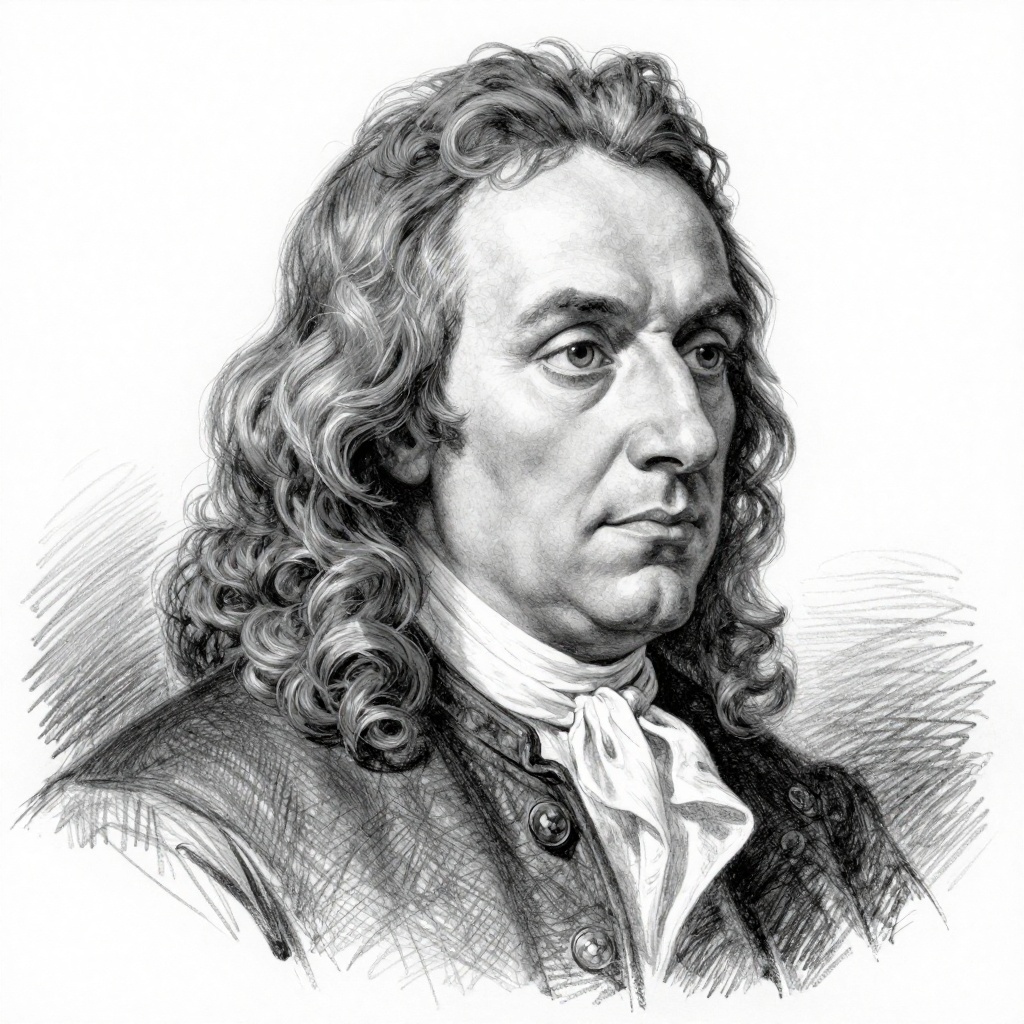
Comments