Quote · Added 15 February 2026
If the only prayer you ever say in your entire life is thank you, it will be enough.
No ratings yet
Filed underthankfulness·gratitude·spirituality
Quote · Added 15 February 2026
Filed underthankfulness·gratitude·spirituality
There's something radical about this idea, mostly because gratitude feels so simple that we overlook it. We're trained to think meaningful spiritual practice requires complexity—elaborate rituals, elaborate words, perfect conditions. But this suggests the opposite: that saying "thank you" might actually be the most complete thing you can do.
What makes this stick around is how it cuts through our modern tendency to perpetually want more. We're excellent at noticing what's missing, what went wrong, what we need next. Gratitude stops that momentum. It's not about denying real problems or forcing positivity when you're struggling. It's about the quiet act of acknowledging that something—even something small, even something you didn't earn—exists. That recognition itself changes something.
The non-obvious part: gratitude isn't just about feeling better. It's a form of acceptance, almost like saying "yes" to life as it actually is rather than how you think it should be. That acceptance might be the closest thing to what people mean by peace. You don't need the perfect words or the perfect moment. Just noticing what's already here and saying thank you might genuinely be enough.
1260–1328·lived 68 years
Meister Eckhart (c. 1260–1328) was a German theologian, philosopher, and mystic known for his influential teachings on spirituality and the nature of God. A member of the Dominican Order, he emphasized the importance of a personal experience of God and is often associated with the mysticism of the late Middle Ages. His profound ideas on the relationship between the soul and the divine have inspired countless spiritual seekers and scholars.
Also by Meister Eckhart
When you are thwarted, it is your own attitude that is out of order.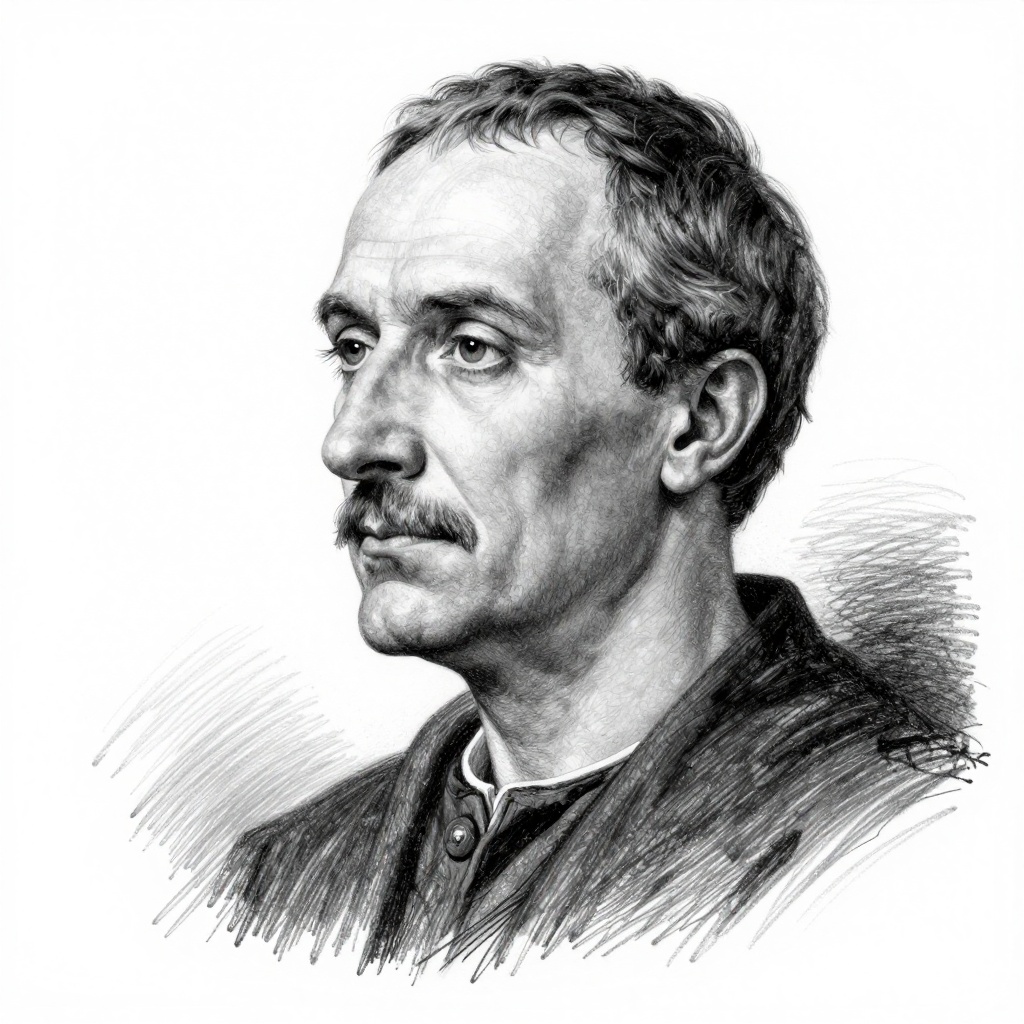
Comments