Quote · Added 14 February 2026
Home of lost causes, and forsaken beliefs, and unpopular names, and impossible loyalties!
Matthew ArnoldSohrab and Rustum, 1853
No ratings yet
Quote · Added 14 February 2026
There's something quietly radical about this description of Oxford that actually applies to anywhere people gather to think. Arnold isn't really celebrating a place—he's celebrating what happens when a community refuses to abandon things the world has already decided are dead. A lost cause doesn't stop being worth pursuing just because popular opinion moves on. An unpopular name doesn't become wrong because it's out of fashion.
We live in an age of rapid consensus. The internet makes it feel like there's one correct temperature for every debate, one winning side that's inevitable. But meaningful work—whether it's in art, science, relationships, or ethics—almost always requires what looks from the outside like impossible loyalty to something the crowd has already left behind. The person still reading philosophy no one else cares about, the artist working in a style everyone says is dated, the friend who stays committed to someone everyone else has written off. These aren't quaint holdouts. They're how things actually get rediscovered, reimagined, or finally understood.
The real sanctuary isn't a physical place. It's whatever space you create—even in your own mind—where you're allowed to care about things before they're popular, or after the world has moved on.
1822–1888·lived 65 years
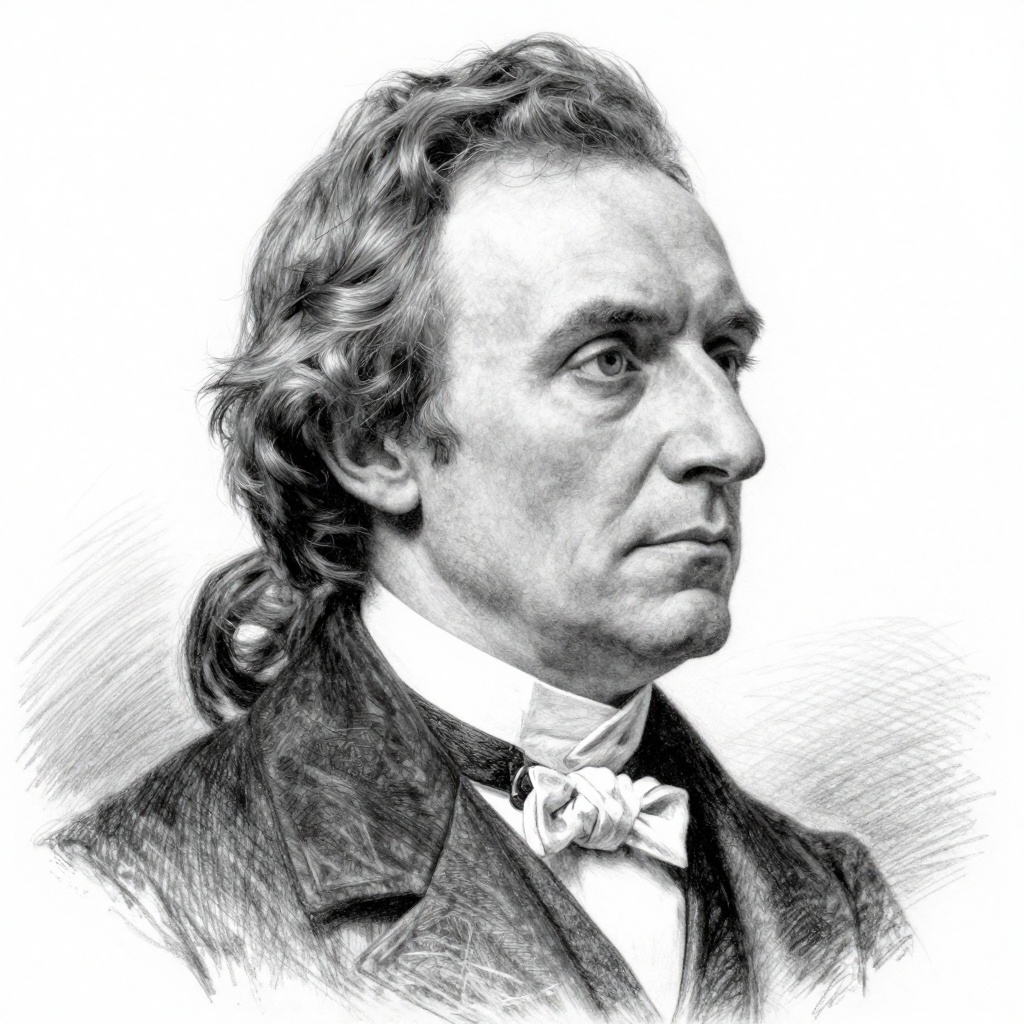
Matthew Arnold was a British poet, cultural critic, and educationalist born on December 24, 1822. He is known for his contributions to poetry, particularly works like "Dover Beach," and for his influential essays on culture and society, which emphasized the importance of literature and education in addressing social issues. Arnold played a significant role in the development of the concept of literary criticism and the promotion of the arts in Victorian England, alongside his advocacy for a more secular approach to education.
Comments