There is no more lively sensation than that of pain; its impressions are certain and dependable, they never de... — Marquis de Sade

There is no more lively sensation than that of pain; its impressions are certain and dependable, they never deceive as may those of the pleasure women perpetually feign and almost never experience.

Author: Marquis de Sade

Insight: Pain cuts through everything—it demands attention in a way almost nothing else does. When you're hurt, there's no pretending it away or negotiating with it. It just is. This is part of why pain can feel oddly trustworthy compared to the messy, complicated terrain of pleasure, which gets tangled up with expectation, performance, and what we think we're supposed to feel. The more uncomfortable insight here is about the gap between what happens on the surface and what's actually going on underneath. We perform versions of ourselves constantly—at work, in relationships, even alone. Pleasure especially gets wrapped up in this performance. You're supposed to enjoy things, so sometimes you convince yourself you do. Pain, though, has no social script. You can't fake a broken bone or a migraine into something else. But here's where it gets tricky: just because pain is honest doesn't make it wise to chase it or trust it above all else. Real intimacy, real living, requires showing up honestly to the full spectrum of what we feel—even the messy, uncertain, sometimes-we're-not-sure-what-we-feel parts. The clarity of pain is real, but it's only half the picture.
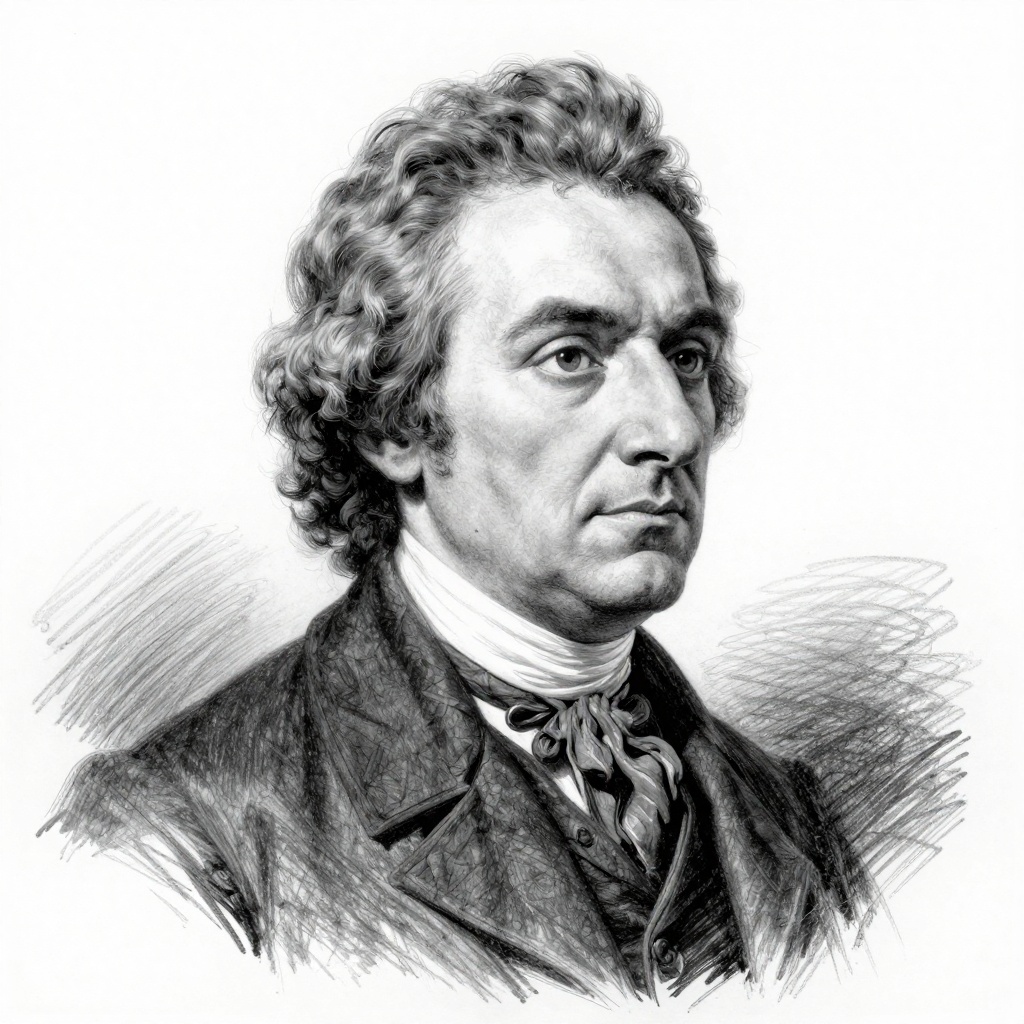
Pain Never Lies, Pleasure Always Hides

There is no more lively sensation than that of pain; its impressions are certain and dependable, they never deceive as may those of the pleasure women perpetually feign and almost never experience.

Pain cuts through everything—it demands attention in a way almost nothing else does. When you're hurt, there's no pretending it away or negotiating with it. It just is. This is part of why pain can feel oddly trustworthy compared to the messy, complicated terrain of pleasure, which gets tangled up with expectation, performance, and what we think we're supposed to feel.

The more uncomfortable insight here is about the gap between what happens on the surface and what's actually going on underneath. We perform versions of ourselves constantly—at work, in relationships, even alone. Pleasure especially gets wrapped up in this performance. You're supposed to enjoy things, so sometimes you convince yourself you do. Pain, though, has no social script. You can't fake a broken bone or a migraine into something else.

But here's where it gets tricky: just because pain is honest doesn't make it wise to chase it or trust it above all else. Real intimacy, real living, requires showing up honestly to the full spectrum of what we feel—even the messy, uncertain, sometimes-we're-not-sure-what-we-feel parts. The clarity of pain is real, but it's only half the picture.

AI generated

Comments

Sign in to leave a comment or reply to one.

Sign in

Marquis de Sade

Marquis de Sade, born Donatien Alphonse François in 1740, was a French nobleman, philosopher, and writer known for his controversial and provocative works that explored themes of sexuality, freedom, and morality. He is most famous for his novels, such as "Justine" and "120 Days of Sodom," which challenged societal norms and morality, earning him a reputation as a foundational figure in the genre of erotic literature. De Sade's life was marked by imprisonment and censorship due to the explicit content of his writings, and he remains a complex and polarizing figure in literary history.

Graph

Related