Quote · Added 14 February 2026
Today a reader, tomorrow a leader.
Margaret FullerSLOGANS FOR A LIBRARY Invented by Vocational School Boys, The Library, 1926
No ratings yet
Filed underreader·leadership·growth
Quote · Added 14 February 2026
Filed underreader·leadership·growth
Reading does something quiet but powerful: it builds the mental equipment you'll need to think clearly, make decisions, and guide others. When you read, you're absorbing how people have solved problems, what they've learned from failure, and how they've thought through complicated situations. That's not abstract knowledge—it's a toolkit you're assembling without even realizing it.
The thing that makes this quote stick is that it doesn't promise anything magical. You won't become a leader just by finishing books. But readers develop something leaders actually need: the ability to see situations from angles beyond their own experience, to recognize patterns others miss, and to communicate ideas clearly. They're more comfortable sitting with complexity instead of rushing to simple answers. These aren't traits you're born with—they're built through the habit of paying attention to how others think.
What's often overlooked is that this works backwards too. The people who lead effectively tend to keep reading, keep learning, keep questioning what they thought they knew. Leadership isn't a destination you reach and then stop. It's a practice that stays sharp through curiosity, and reading is one of the cheapest, most reliable ways to keep that edge.
1810–1850·lived 40 years
Margaret Fuller (1810–1850) was an American journalist, critic, and women's rights advocate. She is known for her work as the first female editor of the transcendentalist journal "The Dial" and for her landmark book "Woman in the Nineteenth Century," which is considered a foundational feminist text in the United States.
Also by Margaret Fuller
Men for the sake of getting a living forget to live.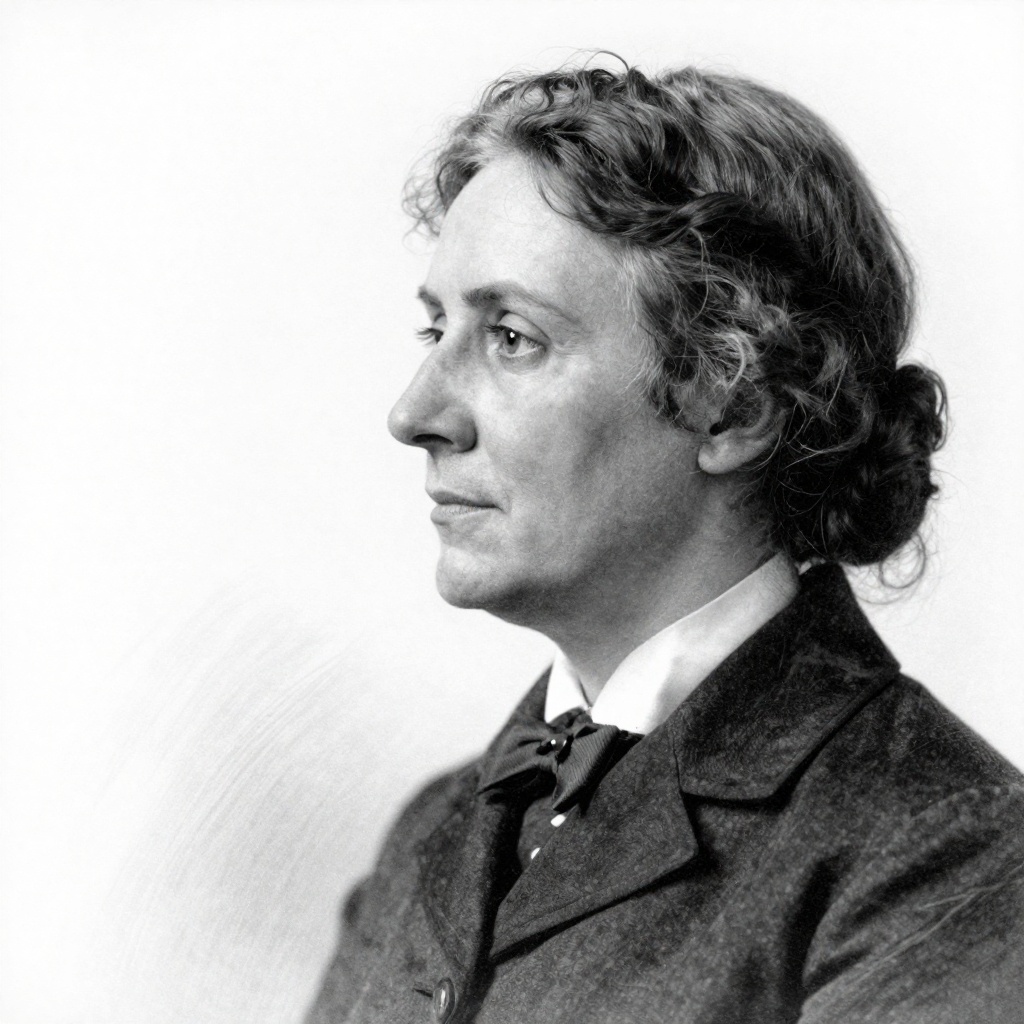
Comments