Quote · Added 14 February 2026
Men for the sake of getting a living forget to live.
Margaret FullerWoman in the Nineteenth Century, 1845
No ratings yet
Filed underliving·existence·priorities
Quote · Added 14 February 2026
Filed underliving·existence·priorities
We spend so much time building the life we think we should have that we forget to actually inhabit the one we're living. You know that feeling—you're grinding through a project at work, telling yourself it's temporary, that things will slow down next month. Then next month arrives and there's another deadline, another goal, another thing that demands your future self more than your present one.
The strange part is that this trap doesn't require a bad job or an impossible situation. Some of the most ambitious, capable people fall into it precisely because they're good at deferring satisfaction. They've learned that discipline pays off, so they apply it everywhere—including to joy, rest, and presence. The paycheck comes in, but the sense that you're actually living your life keeps getting postponed.
What Margaret Fuller points to is something worth noticing: there's a difference between a life that works on paper and a life that actually feels lived. Not in a reckless way, but in a way that leaves room for the unexpected conversation, the walk that has no destination, the meal that isn't optimized for nutrition. The money will always need earning. The question is whether you've decided that's all you're here to do.
1810–1850·lived 40 years
Margaret Fuller (1810–1850) was an American journalist, critic, and women's rights advocate. She is known for her work as the first female editor of the transcendentalist journal "The Dial" and for her landmark book "Woman in the Nineteenth Century," which is considered a foundational feminist text in the United States.
Also by Margaret Fuller
Today a reader, tomorrow a leader.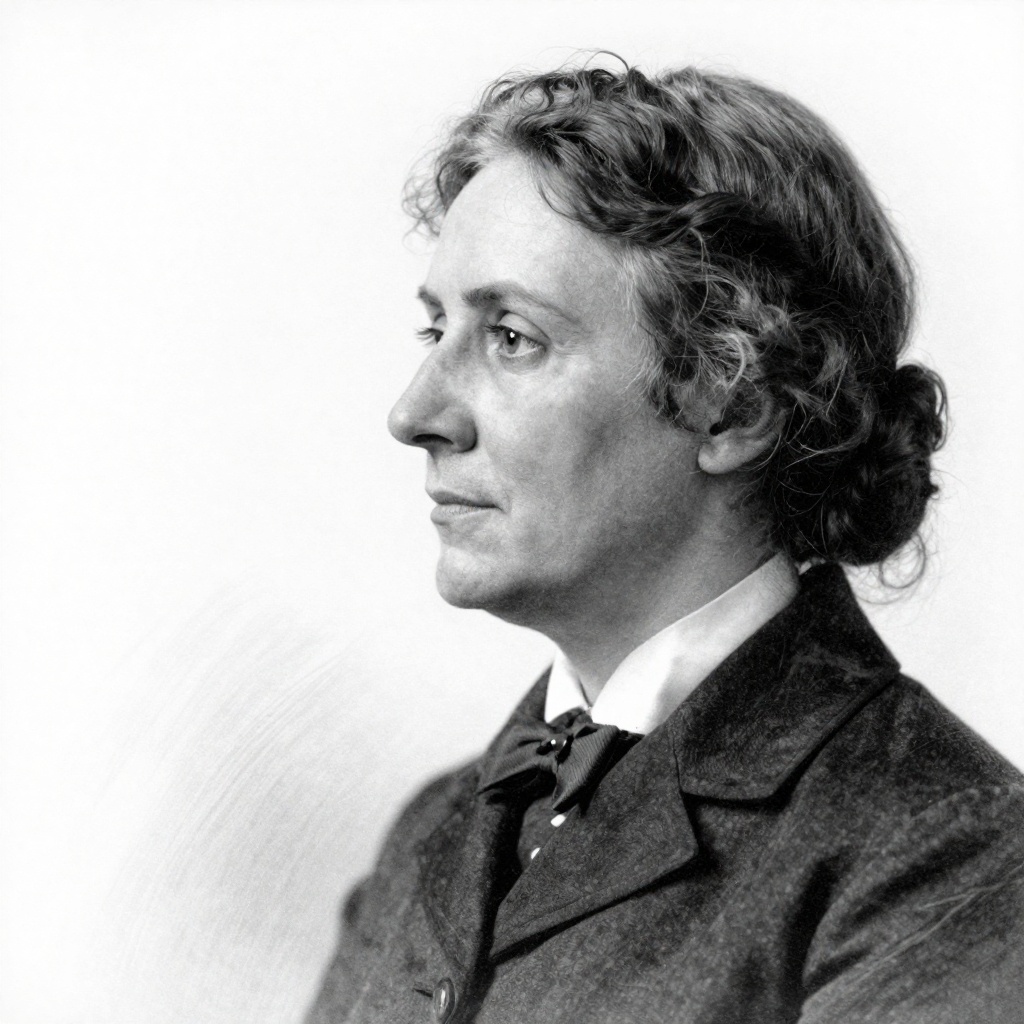
Comments