Quote · Added 9 February 2026
If you have knowledge, let others light their candles in it.
No ratings yet
Filed underknowledge·sharing·enlightenment
Quote · Added 9 February 2026
Filed underknowledge·sharing·enlightenment
There's something almost selfish about hoarding what you know. Not in an obvious way—most of us don't consciously think we're being stingy with our expertise. But we do it anyway. We keep the useful shortcut to ourselves, we stay quiet in meetings when we could help someone struggling, we assume others will figure it out the way we did. Meanwhile, someone nearby is still sitting in the dark.
Fuller's image of lighting candles is revealing because knowledge doesn't diminish when shared—unlike a flame that weakens when it spreads, your understanding actually gets sharper when you explain it to someone else. You notice gaps in your own thinking. You find new applications. The person learning gets the obvious benefit, but you're not sacrificing anything. You're both walking away with more light.
The resistance usually isn't about generosity anyway. It's often anxiety: fear of being wrong, worry that helping makes you less special, or just the friction of stopping what you're doing. But in a world where everyone's figuring things out, staying silent doesn't protect you—it just leaves more people fumbling in the dark when they could be moving forward too.
1810–1850·lived 40 years
Margaret Fuller (1810–1850) was an American journalist, critic, and women's rights advocate. She is known for her work as the first female editor of the transcendentalist journal "The Dial" and for her landmark book "Woman in the Nineteenth Century," which is considered a foundational feminist text in the United States.
Also by Margaret Fuller
Men for the sake of getting a living forget to live.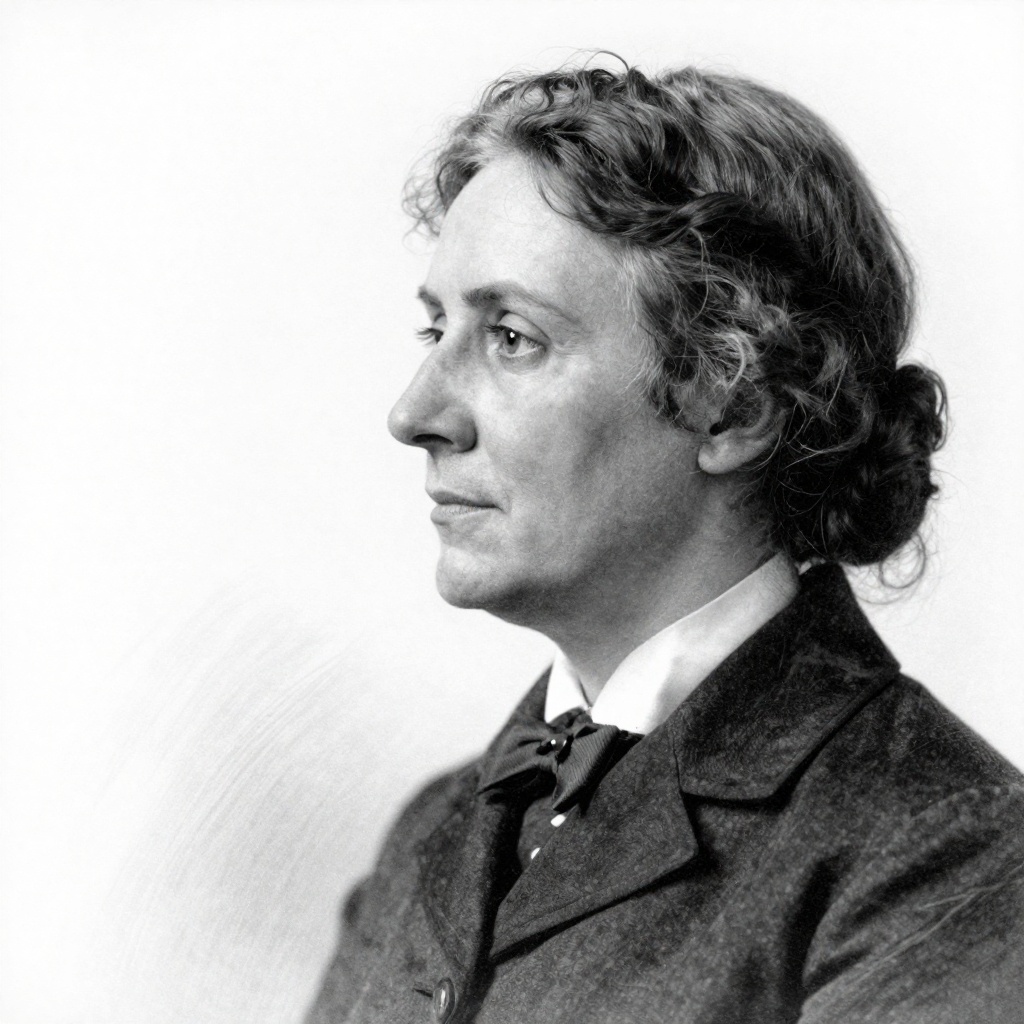
Comments