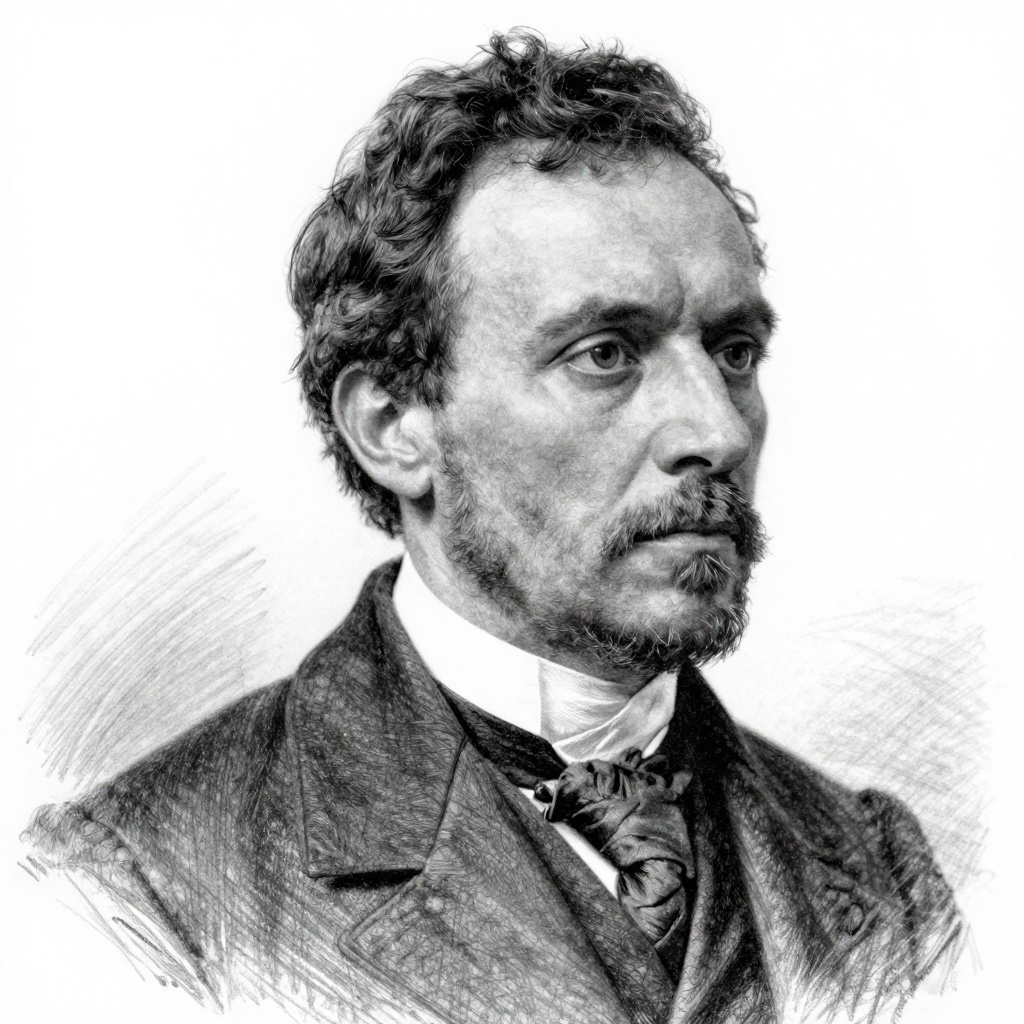
If any man's money can be taken by a so-called government, without his own personal consent, all his other rig... — Lysander Spooner

If any man's money can be taken by a so-called government, without his own personal consent, all his other rights are taken with it; for with his money the government can, and will, hire soldiers to stand over him, compel him to submit to its arbitrary will, and kill him if he resists.

Author: Lysander Spooner

Insight: There's a kernel of something true buried in this provocation, even if you don't buy the whole argument. The basic insight is that power over your wallet is power over everything else—because money translates into control. A government (or anyone with force) that can take your resources can then use those resources to enforce whatever else they want. It's not really about taxation philosophy; it's about noticing that financial power and physical coercion are linked in ways we often pretend they aren't. The tricky part is that this logic cuts both ways. Yes, unchecked financial power creates dangerous leverage. But the flip side—that societies need some shared resources to function—is equally real. Most of us accept some money being pooled for things like roads, courts, and basic security, even if we disagree fiercely about how much or how it's spent. The real question isn't whether any taking is tyranny, but where the line sits and who gets to draw it. What makes this quote stick isn't that it solves anything. It's that it names something we feel but rarely say directly: when we lose control over our resources, we lose negotiating power. Whether that matters more than the collective benefits we gain from pooling resources is the actual debate worth having.

Money is the master key to power

If any man's money can be taken by a so-called government, without his own personal consent, all his other rights are taken with it; for with his money the government can, and will, hire soldiers to stand over him, compel him to submit to its arbitrary will, and kill him if he resists.

There's a kernel of something true buried in this provocation, even if you don't buy the whole argument. The basic insight is that power over your wallet is power over everything else—because money translates into control. A government (or anyone with force) that can take your resources can then use those resources to enforce whatever else they want. It's not really about taxation philosophy; it's about noticing that financial power and physical coercion are linked in ways we often pretend they aren't.

The tricky part is that this logic cuts both ways. Yes, unchecked financial power creates dangerous leverage. But the flip side—that societies need some shared resources to function—is equally real. Most of us accept some money being pooled for things like roads, courts, and basic security, even if we disagree fiercely about how much or how it's spent. The real question isn't whether any taking is tyranny, but where the line sits and who gets to draw it.

What makes this quote stick isn't that it solves anything. It's that it names something we feel but rarely say directly: when we lose control over our resources, we lose negotiating power. Whether that matters more than the collective benefits we gain from pooling resources is the actual debate worth having.

AI generated

Comments

Sign in to leave a comment or reply to one.

Sign in

Lysander Spooner

Lysander Spooner (1808-1887) was an American legal theorist, abolitionist, and entrepreneur known for his influential writings on libertarianism and individual rights. He is best recognized for his critique of government and the legal system, particularly through works such as "No Treason" and "The Unconstitutionality of Slavery," emphasizing the moral and philosophical foundations of anarchism and personal liberty. Spooner founded the American Letter Mail Company in 1844, challenging the U.S. Postal Service's monopoly.

Graph

Related