Quote · Added 11 February 2026
Flowers always make people better, happier, and more helpful; they are sunshine, food and medicine for the soul.
Luther BurbankHow to Produce New Flowers, p. 10, 1901
No ratings yet
Quote · Added 11 February 2026
There's something almost comically simple about flowers, yet we keep proving this observation true. You've probably noticed it yourself—a bouquet on the kitchen table changes the mood of a room in ways that seem disproportionate to the actual object. It's not just visual prettiness either. Flowers seem to interrupt our usual anxious loops. They're hard to worry about while looking at them. They demand a different kind of attention than screens or to-do lists.
What makes this insight stick is that it works even when we're skeptical about it. You don't have to believe in the healing power of flowers for them to shift something in you. Bring them to a hospital room and watch someone's face soften. Leave them on a neighbor's porch during conflict. The effect is less about psychology and more like they give us permission to slow down and notice beauty, which we've somehow made scandalous in our productivity-obsessed lives. Flowers are proof that sometimes the most practical thing is the most useless thing—something that exists purely to be experienced rather than optimized.
1849–1926·lived 77 years
Luther Burbank (1849–1926) was an American botanist, horticulturist, and pioneer in agricultural science. He is best known for developing more than 800 strains and varieties of plants through selective breeding, most notably the Burbank potato, the Shasta daisy, and the Santa Rosa plum.
Also by Luther Burbank
The secret of improved plant breeding, apart from scientific knowledge, is love.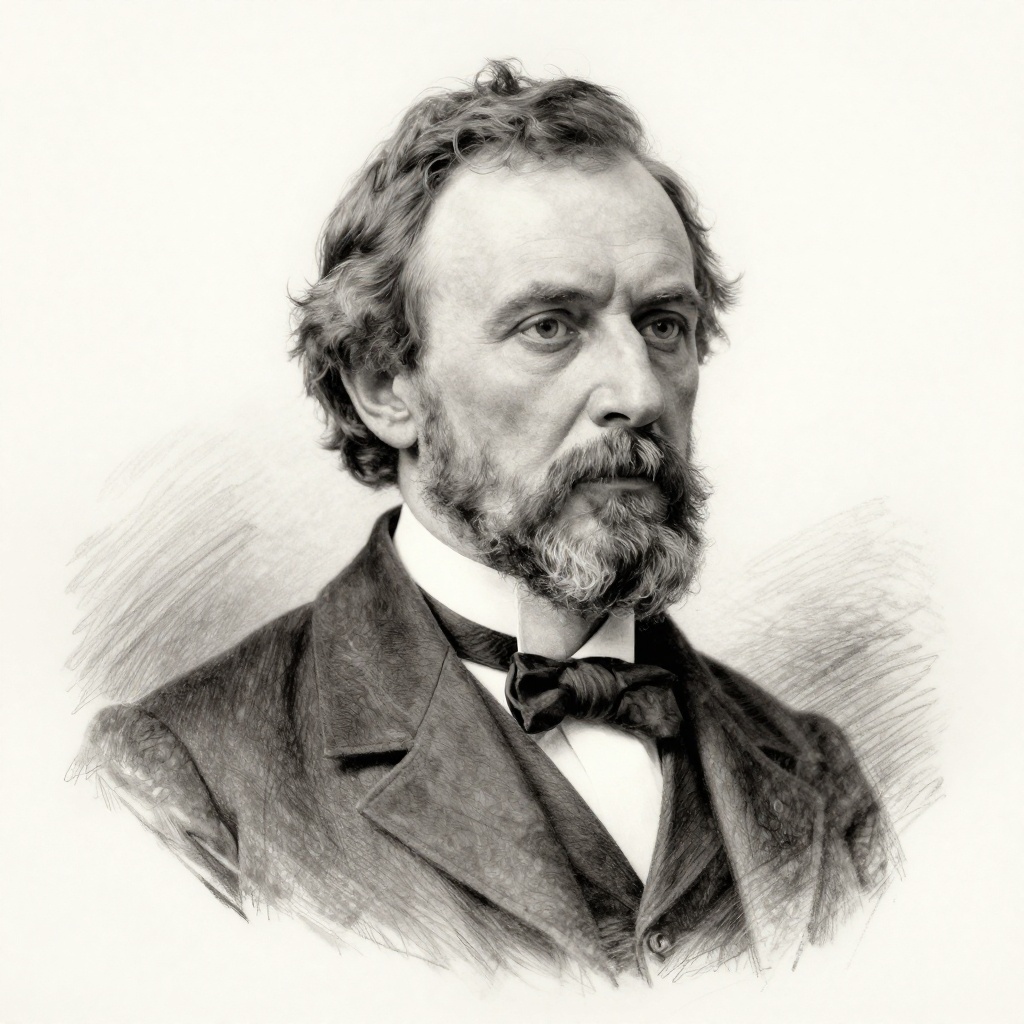
Comments