Quote · Added 14 February 2026
Patience is the art of hoping.
Luc de ClapiersReflections and Maxims, 1903
No ratings yet
Quote · Added 14 February 2026
There's something deceptively simple about calling patience an art rather than just a virtue. It suggests that waiting isn't something that happens to you—it's something you do, something you can get better at. And at its core, it's about hope. Not blind optimism, but active hoping: the deliberate choice to believe that things can improve, that effort matters, that time isn't wasted if you're moving toward something that matters to you.
Most of us experience impatience as a kind of despair. We check our phone for the hundredth time. We assume the job search is pointless. We convince ourselves that nothing's changing. What's really happening is that we've stopped hoping—we've decided the waiting is meaningless. But the art here is in flipping that: patience becomes the discipline of maintaining hope even when nothing visible has shifted yet. It's what separates someone who abandons a half-written novel in month two from someone who keeps showing up to write it.
The tricky part is that hope isn't passive either. Real patience requires you to actually be doing something while you wait—tending to possibilities, staying curious, taking small steps forward. It's the difference between giving up and persisting, and it often comes down to whether we treat the waiting itself as part of the work.
1625–1761·lived 135 years
Luc de Clapiers, Marquis de Vauvenargues (1715-1747) was a French writer and philosopher, best known for his essays on morality and human nature. His works, particularly "Introduction à la connaissance de l'esprit humain," reflect Enlightenment thought and explore themes of virtue, knowledge, and the human condition. Vauvenargues is often acclaimed for his pithy, insightful aphorisms and for influencing later writers and philosophers.
Also by Luc de Clapiers
Our failings sometimes bind us to one another as closely as could virtue itself.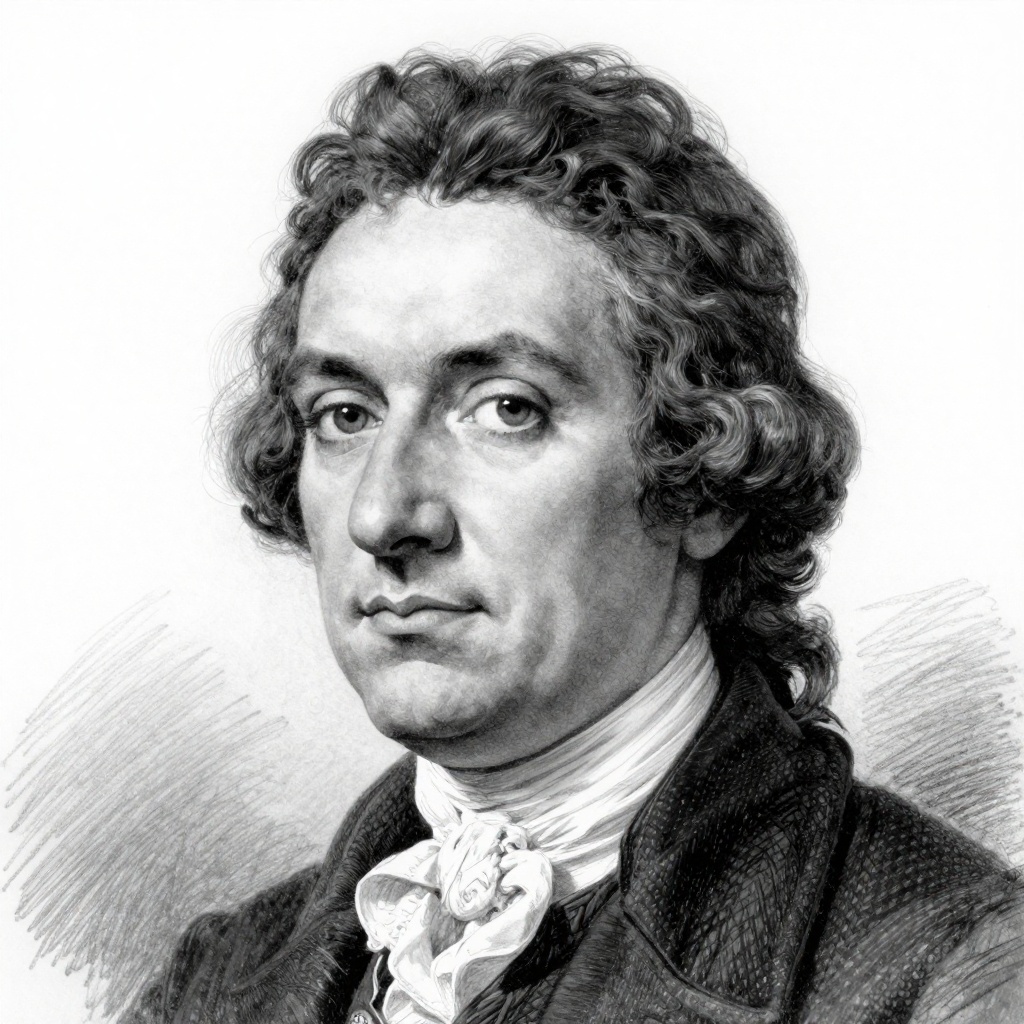
Comments