Quote · Added 14 February 2026
We are all selfish and I no more trust myself than others with a good motive.
No ratings yet
Filed underselfishness·trust·motives
Quote · Added 14 February 2026
Filed underselfishness·trust·motives
There's something refreshingly honest in Byron's skepticism—he's not pretending to be better than anyone, and he's not falling for the comforting lie that good intentions automatically follow good heart. We like to think our motives are pure, that we're helping because we genuinely care. But the truth is messier. We help our friends partly because it makes us feel good about ourselves. We donate to charity partly for the tax break or the Instagram moment. We're kind to strangers sometimes because we want them to think well of us. Byron suggests that recognizing this isn't cynical—it's actually the clearest view available.
The real insight isn't that everyone's rotten. It's that trusting yourself completely is as foolish as distrusting everyone else. When you're honest about your own mixed motives, you stop expecting impossible purity from others. This actually makes you a better judge of character, not a worse one. You can value someone's kindness without believing it comes from perfect altruism. You can do good things while accepting that part of you wants credit for it. That's not corruption—that's being human. And paradoxically, once you stop demanding sainthood from yourself, you often become a better version of who you are.
1788–1824·lived 36 years
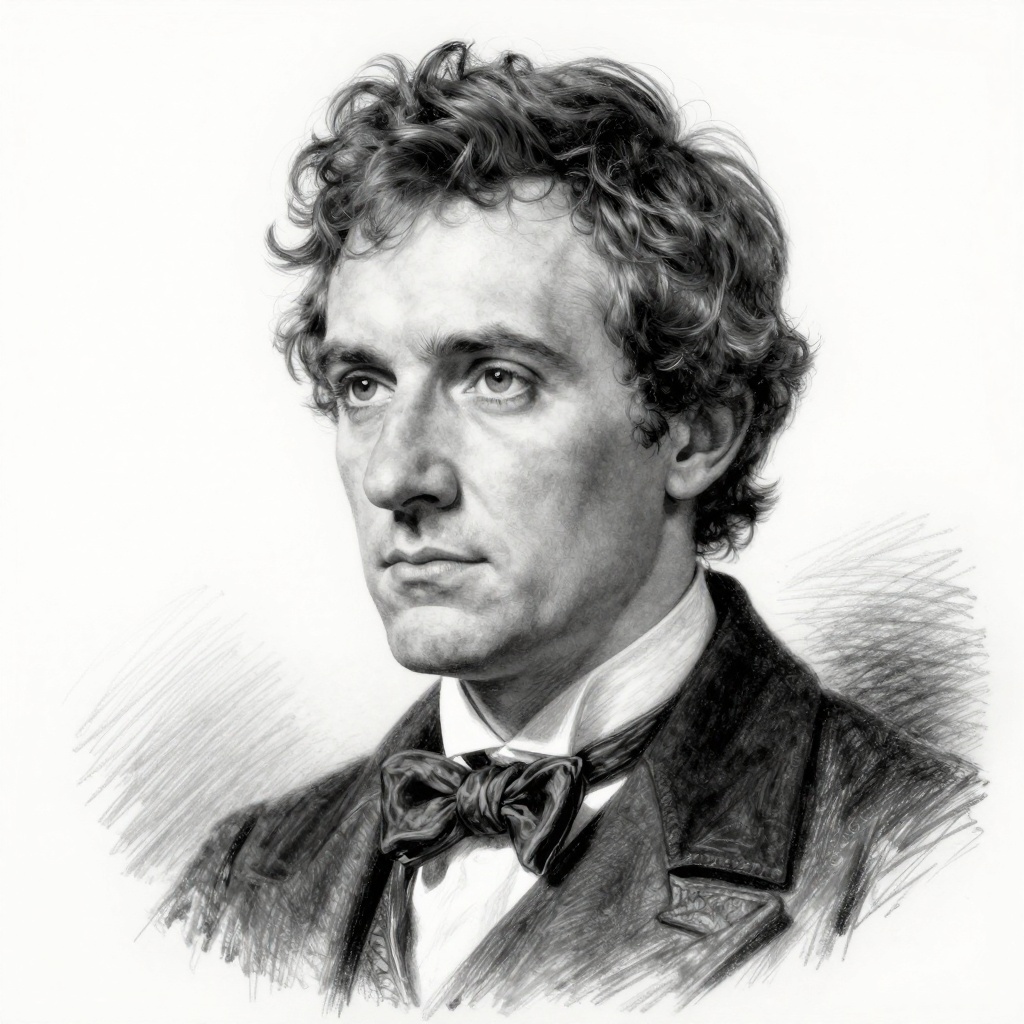
Lord Byron, born George Gordon Byron, was an English poet and a leading figure in the Romantic movement. He is known for his influential works such as "Don Juan" and "Childe Harold's Pilgrimage," as well as for his scandalous personal life and enigmatic, charismatic personality.
Comments