Quote · Added 14 February 2026
Great woman belong to history and to self sacrifice.
No ratings yet
Quote · Added 14 February 2026
There's something both inspiring and troubling in this idea: that greatness for women has historically demanded something different than it has for men. Hunt's observation captures a real pattern—the women we celebrate in history books often did sacrifice enormously, choosing causes or principles over comfort, family stability, or personal ambition as it's usually defined.
But here's where it gets complicated. While we're right to honor that sacrifice, we might also ask: why did greatness require it? Men throughout history have achieved recognition while building families, accumulating wealth, and living relatively full personal lives. The implication that women need to give up more to earn their place is worth examining. It can actually trap us—making us feel like we haven't truly earned success unless we've suffered for it, or that wanting both a meaningful career and a good personal life is somehow asking too much.
The deeper insight might be that sacrifice itself doesn't create greatness; rather, greatness comes from commitment to something larger than yourself. That matters for anyone. But the fact that we've historically demanded proof of that commitment differently from women is worth noticing. Real progress isn't about exceptional women continuing to prove themselves through self-denial—it's about a world where excellence, for anyone, doesn't require proving your worthiness through loss.
1784–1859·lived 74 years
Leigh Hunt (1784–1859) was an English critic, essayist, poet, and editor, known for his influence on the Romantic literary movement of the early 19th century. He founded the "Examiner" magazine and was a close friend of prominent literary figures like Percy Bysshe Shelley and John Keats. Hunt's critical writings and poetry played a significant role in shaping the literary landscape of his time.
Also by Leigh Hunt
The groundwork of all happiness is health.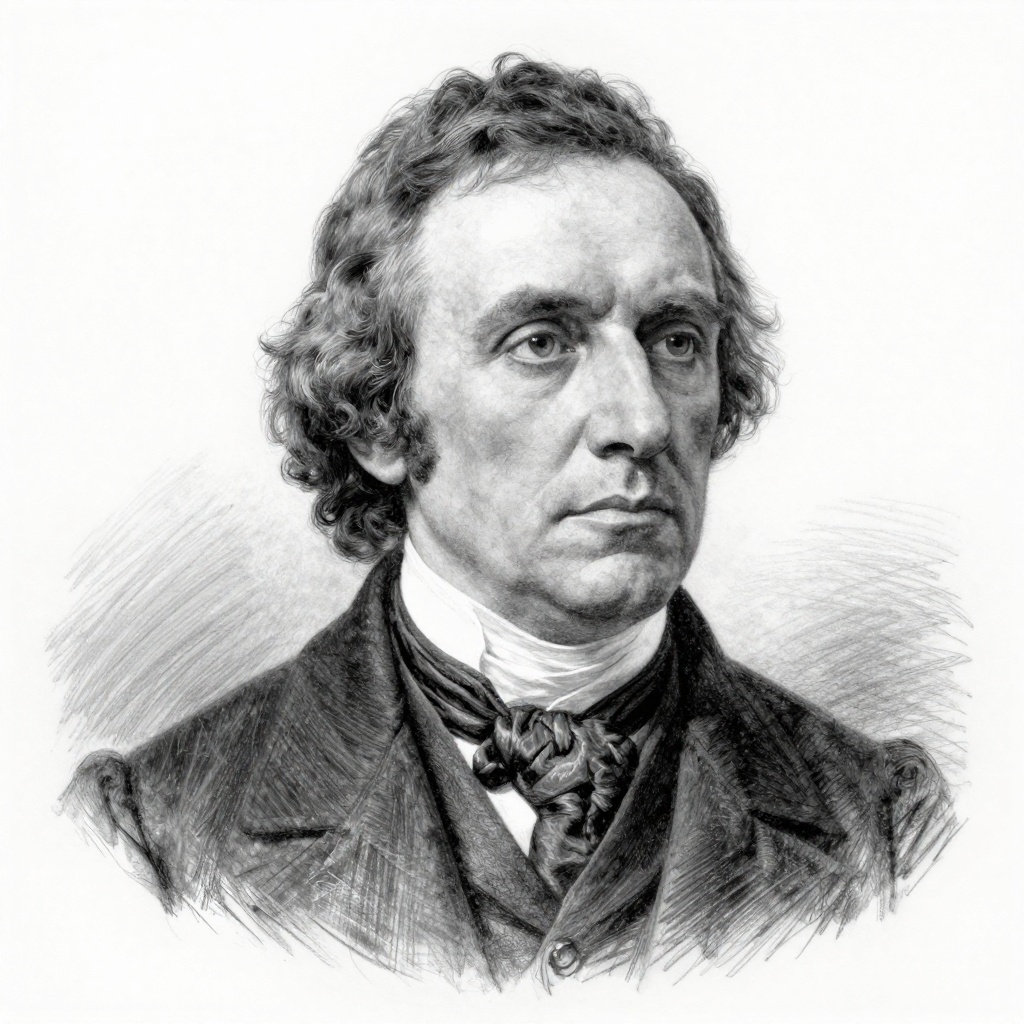
Comments