Quote · Added 19 February 2026
Don't let it end like this. Tell them I said something.
No ratings yet
Filed underclosure·legacy·expression
Quote · Added 19 February 2026
Filed underclosure·legacy·expression
There's something unsettling about those last words—not because they're dramatic, but because they're so human. Villa, a revolutionary general facing his end, didn't ask for forgiveness or justice or even for history to remember him correctly. He just didn't want to disappear quietly. He wanted his voice to carry forward, even if only through someone else's mouth.
We live in an age obsessed with legacy, yet most of us will never say anything memorable on our deathbed. Still, Villa's anxiety echoes in quieter ways. We leave voice memos for people we think might forget us. We post things we hope will matter. We tell our stories to anyone who'll listen because silence feels like erasure. There's a fear underneath it all: that if we don't speak up, if we don't make ourselves heard, we'll simply vanish from the minds of the people around us.
The strange part is how this impulse cuts both directions. Sometimes it pushes us toward integrity—to actually do and say things worth remembering. But sometimes it's just anxiety masquerading as urgency, a need to matter that keeps us performing rather than living. The real wisdom might be in asking: what would I want said about me, not because I'm dying, but because it reflects who I'm actually trying to be right now?
d. 1923
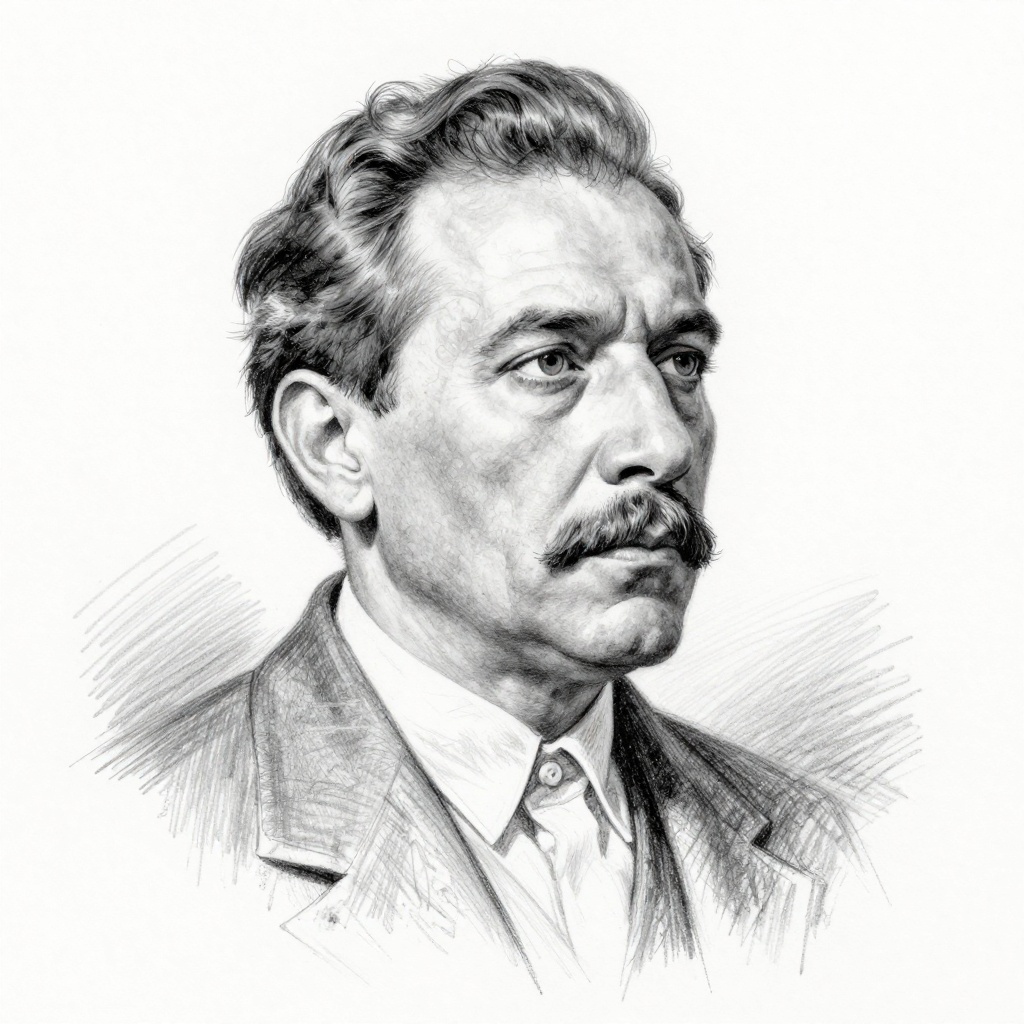
Pancho Villa was a prominent Mexican revolutionary general and folk hero, known for his leadership during the Mexican Revolution in the early 20th century. He played a significant role in advocating for land reforms and the rights of the common people. His last words, reportedly uttered before his assassination in 1923, were a testament to his life as a revolutionary and his enduring legacy in Mexican history.
Comments