Quote · Added 28 February 2026
Make it a rule of life never to regret and never to look back. Regret is an appalling waste of energy, you can't build on it it's only good for wallowing in.
No ratings yet
Quote · Added 28 February 2026
There's something quietly radical about refusing to regret. We're taught that regret proves we've learned something, that it's the price of wisdom. But Mansfield is pointing at something true: regret doesn't just hurt—it actually paralyzes. You can spend hours replaying a conversation, analyzing where you went wrong, building an entire case against yourself. And what changes? Nothing. The moment is gone. You're just stuck in it.
The tricky part is distinguishing regret from genuine reflection. Regret is circular and punishing—it's you as prosecutor and defendant in an endless trial. Reflection is different. It asks, "What would I do differently?" and then moves forward. One keeps you trapped; the other teaches you and lets you go. The distinction matters because everyone has moments they wish went differently. The question is whether you're using that moment to build something or just wallowing in it.
What makes this especially relevant now is how easy it is to stay stuck. Social media lets us scroll back through our own lives endlessly. We revisit old decisions, old embarrassments, old failures. Mansfield's rule isn't about not caring what happened. It's about stopping the wasteful loop, doing the quick honest assessment, and then—deliberately, firmly—moving on. That's the actual discipline.
1888–1923·lived 34 years
Katherine Mansfield was a renowned New Zealand-born writer known for her modernist short stories. Born on October 14, 1888, she became a central figure in 20th-century literature, celebrated for her innovative narrative techniques and exploration of themes such as identity and relationships. Mansfield's significant works include "The Garden Party" and "The Doll's House."
Also by Katherine Mansfield
Could we change our attitude, we should not only see life differently, but life itself wou...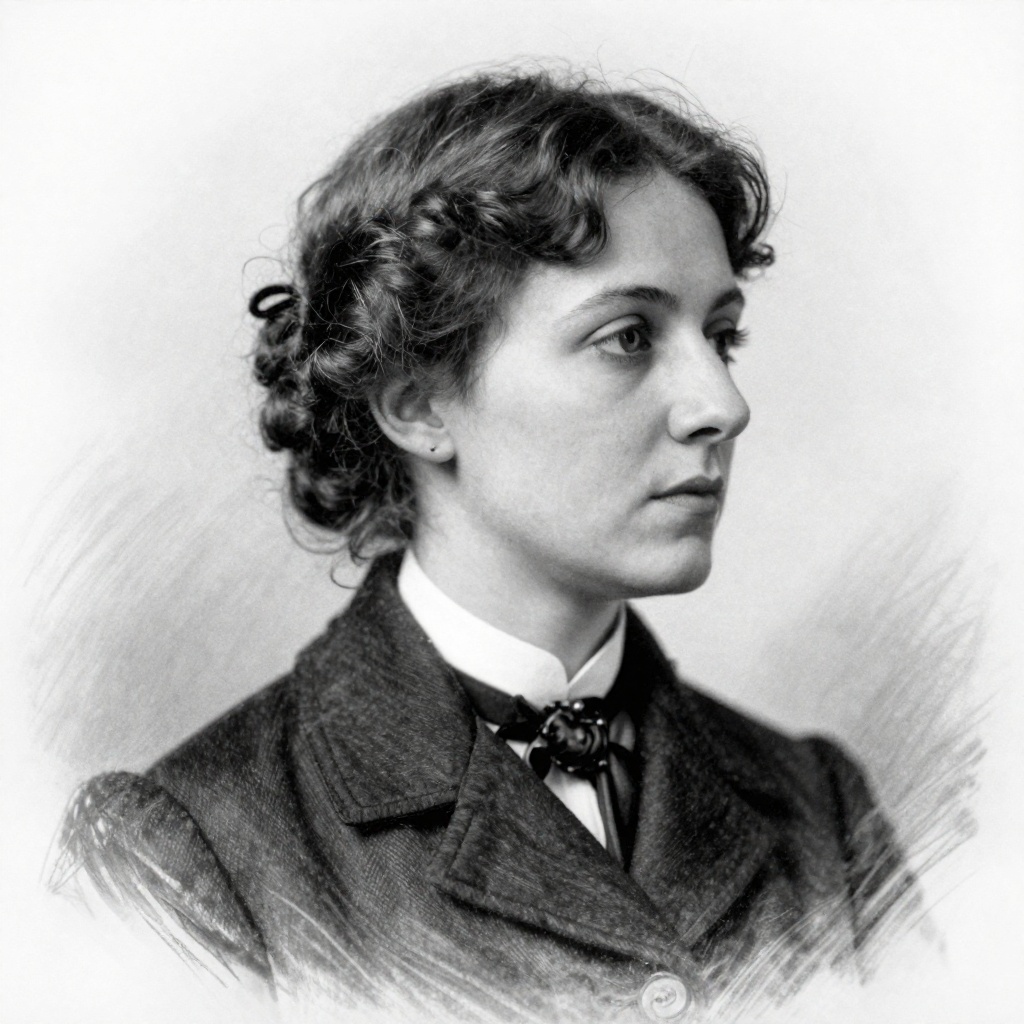
Comments