Quote · Added 14 February 2026
Rare is the union of beauty and purity.
JuvenalSatires, Book 6, 1st century
No ratings yet
Quote · Added 14 February 2026
We live in a culture obsessed with perfection, yet we instinctively know that the most beautiful things we encounter are almost never pure. A face marked by experience, a landscape scarred by time, a relationship forged through conflict and forgiveness—these hold a power that flawlessness never quite reaches. Juvenal's observation cuts against our impulse to chase some impossible standard where everything is both aesthetically perfect and morally spotless.
The tension he identifies shows up everywhere. We admire ruthless entrepreneurs and then feel uncomfortable about their methods. We fall for stories and art that explore darkness. We're drawn to people who've struggled and survived. Pure virtue on its own reads as dull or suspect; pure beauty without character feels hollow. The rarest thing isn't actually finding something that meets both standards—it's accepting that it probably never will, and that this impurity is where actual value lives.
Maybe the real insight is that we stop treating beauty and purity as the same goal. They're different things, often in tension. Recognizing that gap—in others and ourselves—is where genuine maturity begins.
d. 227
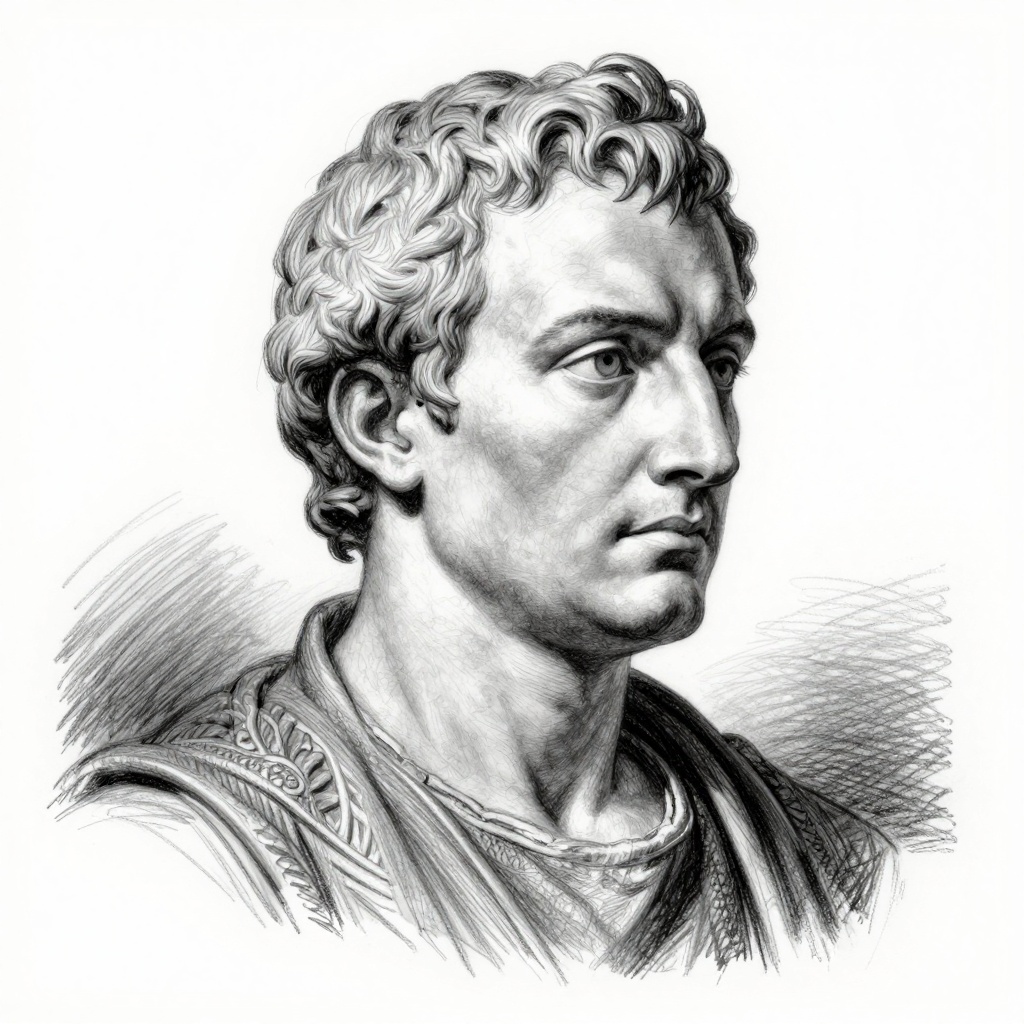
Juvenal was a Roman poet active in the late 1st and early 2nd centuries AD, best known for his satirical works that criticize the social and political issues of his time. His most famous collection, the "Satires," exposes the moral decay and corruption of Roman society, making him a pivotal figure in Latin literature and a significant influence on later satirical writing.
Comments