Quote · Added 19 March 2026
The future belongs to those who are not afraid to make mistakes, because they know that every mistake is a step further on the path of discovery.
No ratings yet
Quote · Added 19 March 2026
We live in an age where mistakes feel more visible than ever. A failed project gets documented. A wrong call gets replayed. So it's tempting to play it safe, to research endlessly before trying anything, to stay in the lane you know works. But Verne understood something crucial: the people who actually move things forward aren't the ones who avoid stumbling. They're the ones who treat each stumble as data.
The trick is reframing what a mistake actually is. It's not proof you're incompetent—it's proof you tried something untested. That distinction matters hugely. When you launch a new idea at work and it flops, you've just eliminated one wrong path. The person who never tries has eliminated nothing. They also haven't learned anything, which is maybe the quietest way to fall behind.
The catch, though? Not all mistakes are equal. Verne wasn't cheerleading recklessness. He meant the mistakes that come from genuine exploration, from pushing against what you don't yet understand. Those mistakes are tuition. They cost something, but they pay for passage into territory where fewer people are willing to venture. That's where the real future lives.
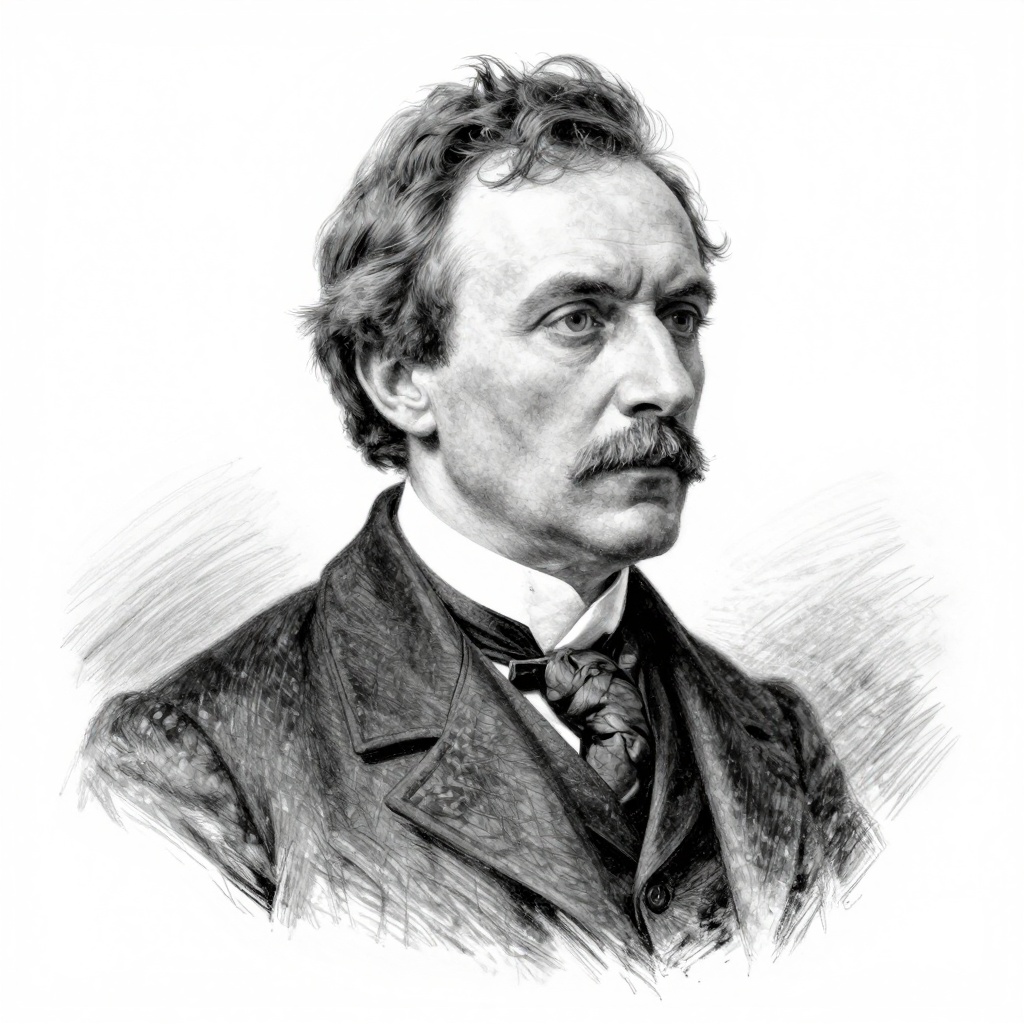
1828–1905·lived 77 years
Jules Verne was a French novelist and playwright born on February 8, 1828, in Nantes, France. He is best known for his pioneering works of science fiction, including classics like "Twenty Thousand Leagues Under the Sea" and "Journey to the Center of the Earth," which explored themes of exploration and adventure. Verne's visionary storytelling and imaginative concepts significantly influenced the genre and cemented his legacy as one of the fathers of science fiction.
Comments