Quote · Added 14 February 2026
There are lots of people who mistake their imagination for their memory.
Josh BillingsHiz Sayings, Project Gutenberg, 1865
No ratings yet
Filed underimagination·memory·perception
Quote · Added 14 February 2026
Filed underimagination·memory·perception
We've all done it—confidently recalled something that happened, only to have someone else remember it completely differently. The weird part is that both versions feel equally real in our heads. Our minds don't actually record events like a camera. Instead, they reconstruct memories each time we think about them, filling in gaps with what makes sense, what we expected to happen, or what we've heard from others since. Over time, the original memory and the version we've imagined can become indistinguishable.
This matters more than it seems. We make decisions based on our past—how relationships went, what we're capable of, what we deserve—but we're often drawing from stories we've unconsciously edited. That argument from five years ago? We might be remembering our final thought about it rather than what was actually said. That success we're proud of? We've likely embellished the struggle and undersold the luck. It's not dishonesty so much as the brain doing what brains do: making sense of chaos by turning experience into narrative.
The practical insight is gentler than it sounds. It means being a little more suspicious of our own certainty, especially in conflict. It also means we're more flexible and creative than we give ourselves credit for—we're constantly reimagining our lives. The trick is knowing when to trust the story and when to stay curious about what actually happened.
1818–1885·lived 67 years
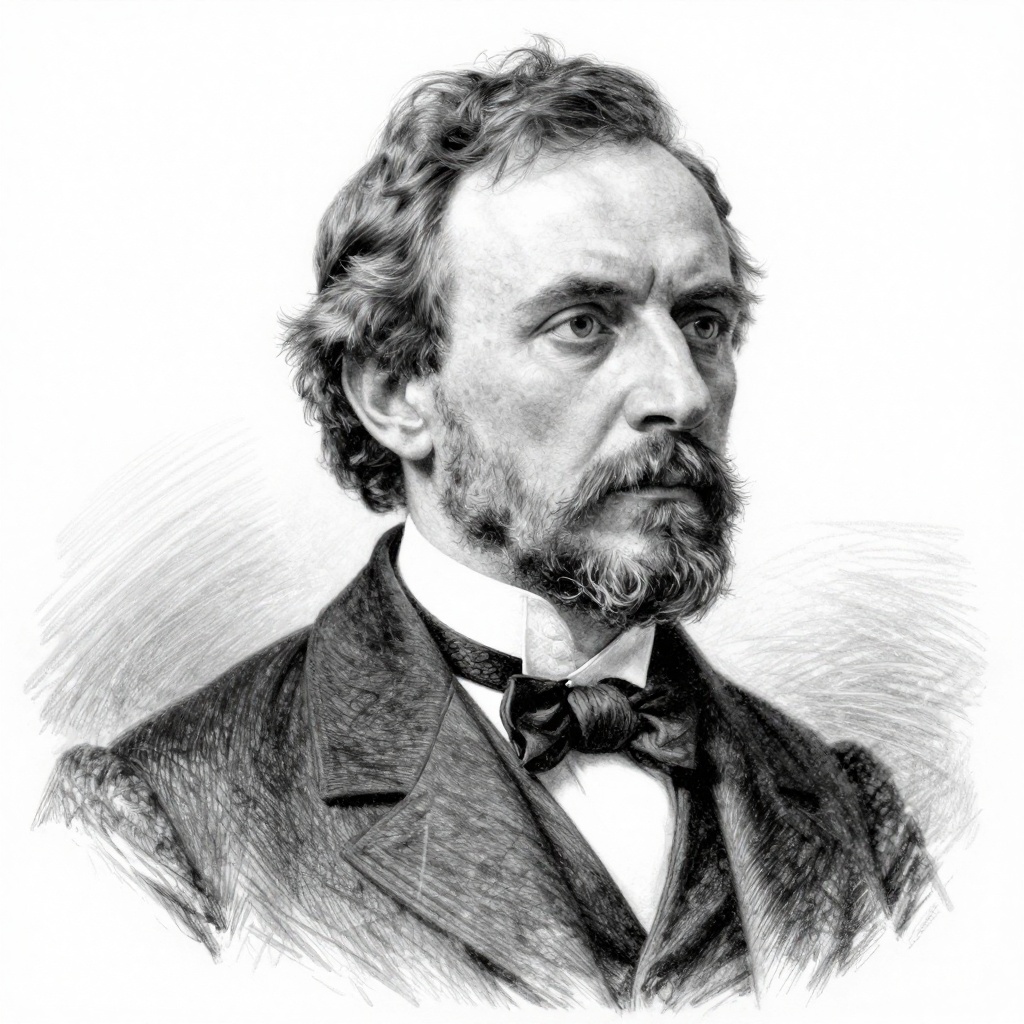
Josh Billings was the pen name of Henry Wheeler Shaw, an American humorist and lecturer known for his witty and satirical essays and sayings. He was popular in the 19th century for his humorous take on human nature, often using misspellings and unconventional grammar to add to the comic effect of his writings.
Comments