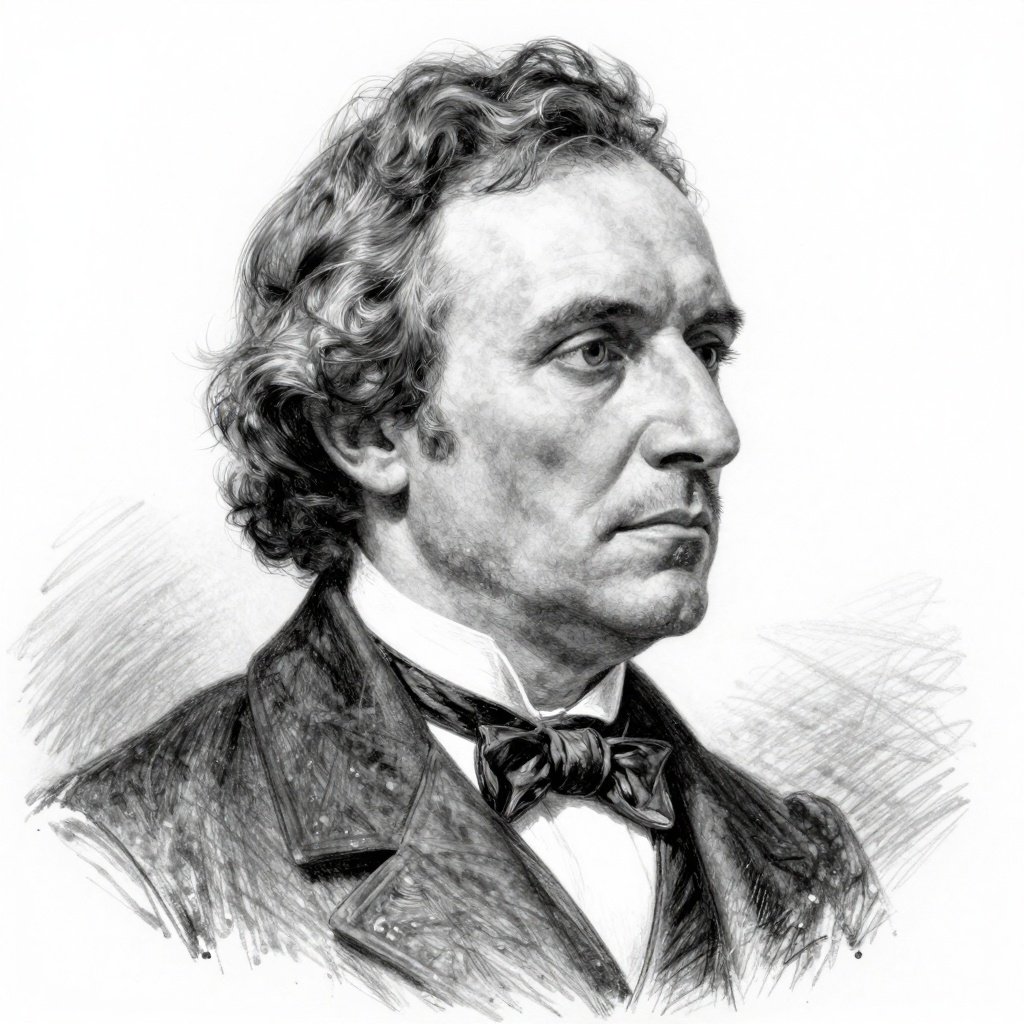
The Mohawks have on all occasions shown their zeal and loyalty to the Great King; yet they have been very badl... — Joseph Brant

The Mohawks have on all occasions shown their zeal and loyalty to the Great King; yet they have been very badly treated by his people.

Author: Joseph Brant

Insight: There's something particularly stinging about loyalty that goes unrecognized—especially when you've staked something real on it. Joseph Brant witnessed this firsthand: his people allied with the British during the American Revolution, believing that loyalty would be rewarded with respect and fair treatment. Instead, they faced broken promises and displacement. It's a pattern that still echoes today, whenever someone gives their trust or effort to an institution and that effort gets taken for granted, or worse, punished. What makes this relevant beyond historical grievances is how it captures a kind of betrayal we recognize in everyday life. You show up for a company through rough patches, only to get passed over for advancement. You invest in a friendship that turns out to be one-directional. The gap between how you thought loyalty would be honored and how it actually gets treated can be one of the most disillusioning experiences. Brant's statement isn't just about military alliance—it's about the fundamental contract between those who give their trust and those who receive it. The harder truth embedded here is that loyalty alone doesn't guarantee anything. Good intentions or past service don't automatically protect you from being exploited or abandoned. Sometimes the people making decisions don't care about your loyalty at all. That's not a reason to stop being trustworthy, but it's reason enough to be clear-eyed about who actually deserves yours.

Loyalty doesn't guarantee what you deserve

The Mohawks have on all occasions shown their zeal and loyalty to the Great King; yet they have been very badly treated by his people.

There's something particularly stinging about loyalty that goes unrecognized—especially when you've staked something real on it. Joseph Brant witnessed this firsthand: his people allied with the British during the American Revolution, believing that loyalty would be rewarded with respect and fair treatment. Instead, they faced broken promises and displacement. It's a pattern that still echoes today, whenever someone gives their trust or effort to an institution and that effort gets taken for granted, or worse, punished.

What makes this relevant beyond historical grievances is how it captures a kind of betrayal we recognize in everyday life. You show up for a company through rough patches, only to get passed over for advancement. You invest in a friendship that turns out to be one-directional. The gap between how you thought loyalty would be honored and how it actually gets treated can be one of the most disillusioning experiences. Brant's statement isn't just about military alliance—it's about the fundamental contract between those who give their trust and those who receive it.

The harder truth embedded here is that loyalty alone doesn't guarantee anything. Good intentions or past service don't automatically protect you from being exploited or abandoned. Sometimes the people making decisions don't care about your loyalty at all. That's not a reason to stop being trustworthy, but it's reason enough to be clear-eyed about who actually deserves yours.

AI generated

Comments

Sign in to leave a comment or reply to one.

Sign in

Joseph Brant

Joseph Brant, also known as Thayendanegea, was a prominent Mohawk leader and military officer during the American Revolution. He played a significant role in aligning Native American tribes with the British, advocating for their rights and land in the face of colonial expansion. Brant is remembered for his efforts to negotiate peace and protect Indigenous sovereignty throughout his life.

Graph

Related