Quote · Added 14 February 2026
Three grand essentials to happiness in this life are something to do, something to love, and something to hope for.
Joseph AddisonThe Spectator, No. 412, 1712
No ratings yet
Quote · Added 14 February 2026
We tend to think of happiness as something that either happens to us or doesn't, but this formula suggests it's actually built from three working parts. Something to do gives your days structure and a reason to get out of bed—not necessarily a glamorous career, but genuine engagement with work that matters to you. Something to love anchors you to people or pursuits beyond yourself, which paradoxically is what keeps you grounded when everything else feels uncertain. And something to hope for prevents you from settling into resignation, even when life is good right now.
The quiet brilliance here is recognizing that happiness isn't about achieving some final state. It's about maintaining these three things simultaneously, like keeping three plates spinning. A person might have a meaningful job and strong relationships but fall into depression without anything pulling them toward the future. Or someone might have big dreams but feel isolated and aimless without daily work or connection to love.
What makes this framework feel modern is how it cuts through our obsession with optimizing one area of life. We chase career success or romantic fulfillment or financial security as if one of these alone could complete us. But most people who describe themselves as genuinely content aren't people who won three categories—they're people who kept all three moving, even imperfectly.
1672–1719·lived 47 years
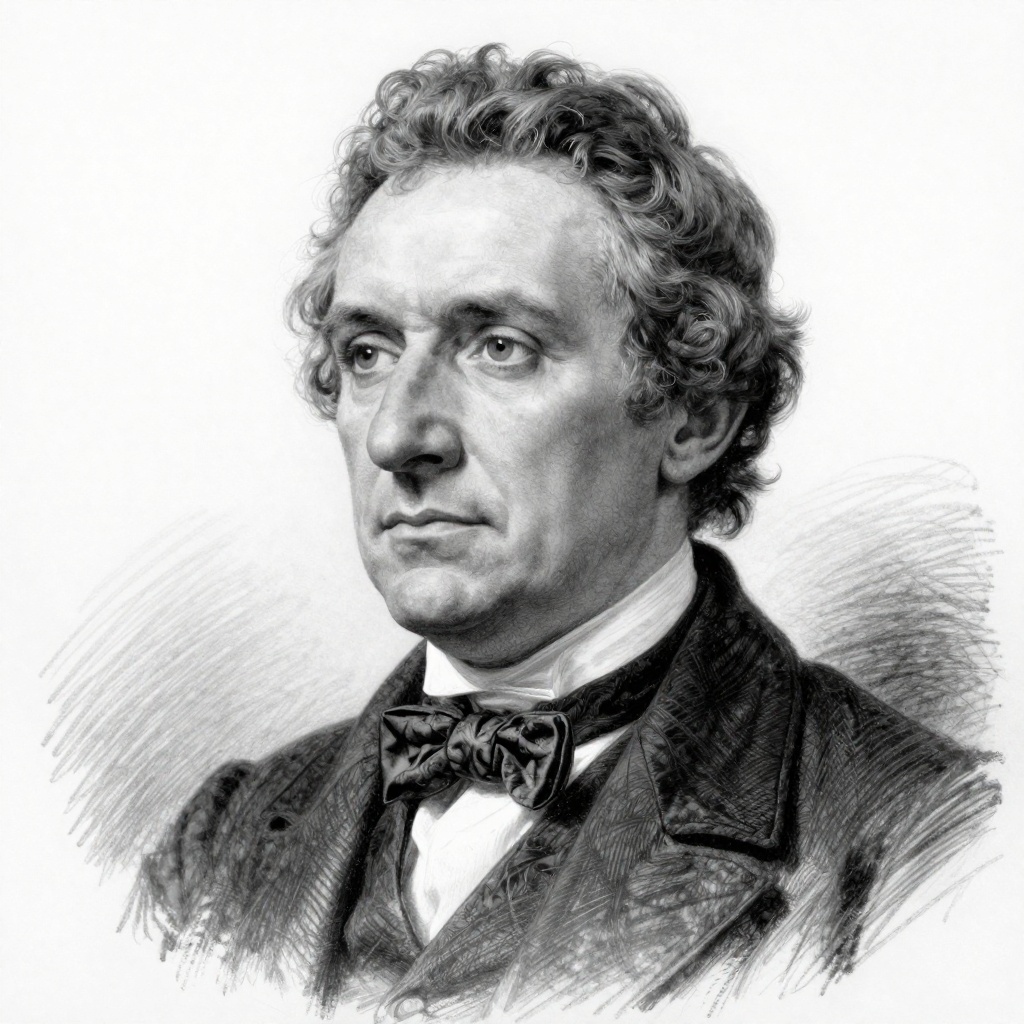
Joseph Addison (1672–1719) was an English essayist, poet, and playwright best known for his contributions to "The Spectator" magazine, which he co-founded with Richard Steele in 1711. Addison's essays in "The Spectator" addressed various social, moral, and political issues of the time and helped shape the development of English journalism and literature.
Comments