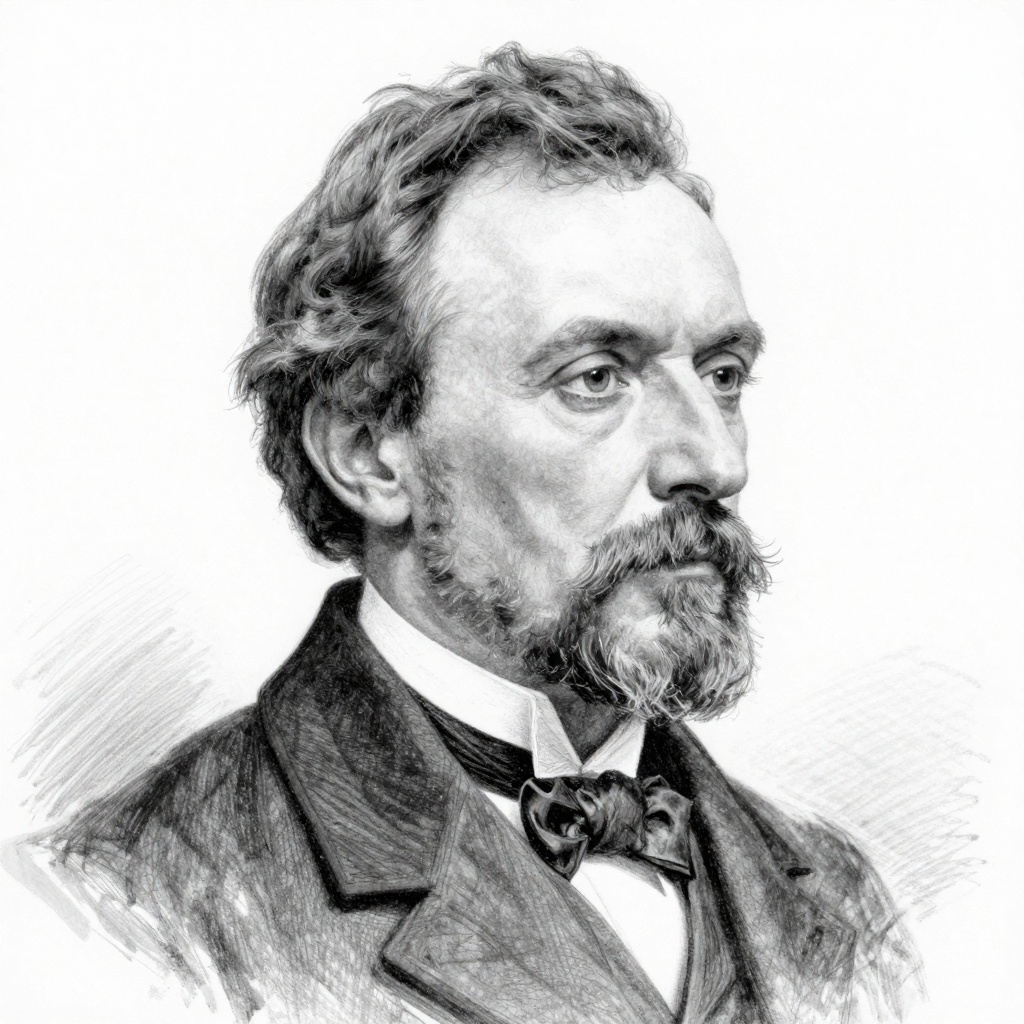
Already, he was dreaming of a refined solitude, a comfortable desert, a motionless ark in which to seek refuge... — Joris-Karl Huysmans

Already, he was dreaming of a refined solitude, a comfortable desert, a motionless ark in which to seek refuge from the unending deluge of human stupidity.

Author: Joris-Karl Huysmans

Insight: There's something almost funny about this desire for refuge—we've all felt it. Not just wanting quiet, but wanting to escape the constant stupidity around us: the arguments that go nowhere, the people who never learn, the endless cycle of the same mistakes playing out on news feeds and in conversations. Huysmans captures that specific kind of exhaustion that comes from caring enough to notice the madness, but not having the power to stop it. What's tricky is that this "refined solitude" isn't actually peace. It's fortress-building. There's an edge to it, a superiority woven in—he's not just tired, he's disgusted. And here's where it gets interesting: the moment you successfully retreat into your comfortable desert, you're no longer part of the problem you were fleeing from, but you're also no longer trying to change anything. You become the person who checked out. Sometimes that's necessary and healthy. Sometimes it's just another way of giving up. The real tension is that we probably need both: moments of genuine rest from the chaos, but also enough engagement to remind us we're still human and still capable of something. Pure refuge sounds tempting until you realize you're alone in a desert by choice.

The Exhaustion of Noticing Everything

Already, he was dreaming of a refined solitude, a comfortable desert, a motionless ark in which to seek refuge from the unending deluge of human stupidity.

There's something almost funny about this desire for refuge—we've all felt it. Not just wanting quiet, but wanting to escape the constant stupidity around us: the arguments that go nowhere, the people who never learn, the endless cycle of the same mistakes playing out on news feeds and in conversations. Huysmans captures that specific kind of exhaustion that comes from caring enough to notice the madness, but not having the power to stop it.

What's tricky is that this "refined solitude" isn't actually peace. It's fortress-building. There's an edge to it, a superiority woven in—he's not just tired, he's disgusted. And here's where it gets interesting: the moment you successfully retreat into your comfortable desert, you're no longer part of the problem you were fleeing from, but you're also no longer trying to change anything. You become the person who checked out. Sometimes that's necessary and healthy. Sometimes it's just another way of giving up.

The real tension is that we probably need both: moments of genuine rest from the chaos, but also enough engagement to remind us we're still human and still capable of something. Pure refuge sounds tempting until you realize you're alone in a desert by choice.

AI generated

Comments

Sign in to leave a comment or reply to one.

Sign in

Joris-Karl Huysmans

Joris-Karl Huysmans was a French novelist and art critic born on February 5, 1848, in Paris. He is best known for his novel "À rebours" (Against the Grain), which is a seminal work of the Decadent movement and explores themes of aesthetics, morality, and individuality. Huysmans' writing style and exploration of sensory experiences significantly influenced modernist literature.

Graph

Related