Quote · Added 14 February 2026
I wonder what fool it was that first invented kissing.
Jonathan SwiftThe Works of Jonathan Swift, Vol. 1, 1735
Quote · Added 14 February 2026
There's something almost absurd about any human ritual when you stop and really look at it. We press our faces together, exchange saliva, and call it affection. Swift's mock-horrified tone captures that moment of bewilderment we all have sometimes—standing outside our own lives and thinking, "How did we decide this was normal?"
But that's partly the point. The rituals that define us as human aren't logical inventions. They emerged from something deeper than reason, and they only work because we've collectively agreed to treat them as meaningful. Kissing is simultaneously ridiculous and profound, which is true of most things we care about. We fall in love illogically, we grieve over dust and memory, we find comfort in repeated words. None of it makes sense until it does.
What makes Swift's observation stick is that he's not really mocking kissing—he's mocking the impulse to demand that everything make sense. Some of the most important parts of being human are the "fool's" work: the irrational choices, the tender gestures, the habits we can't quite justify but won't give up. Maybe wisdom isn't about escaping foolishness. Maybe it's recognizing that the fool invented some of the best things we have.
1667–1745·lived 77 years
Jonathan Swift (1667-1745) was an Irish writer, poet, and satirist best known for his works "Gulliver's Travels" and "A Modest Proposal." He served as a clergyman in the Church of Ireland and became one of the foremost satirical voices of his time, using his sharp wit to critique social and political issues in Europe. Swift's writing remains influential and is celebrated for its unique style and biting commentary.
Also by Jonathan Swift
May you live every day of your life.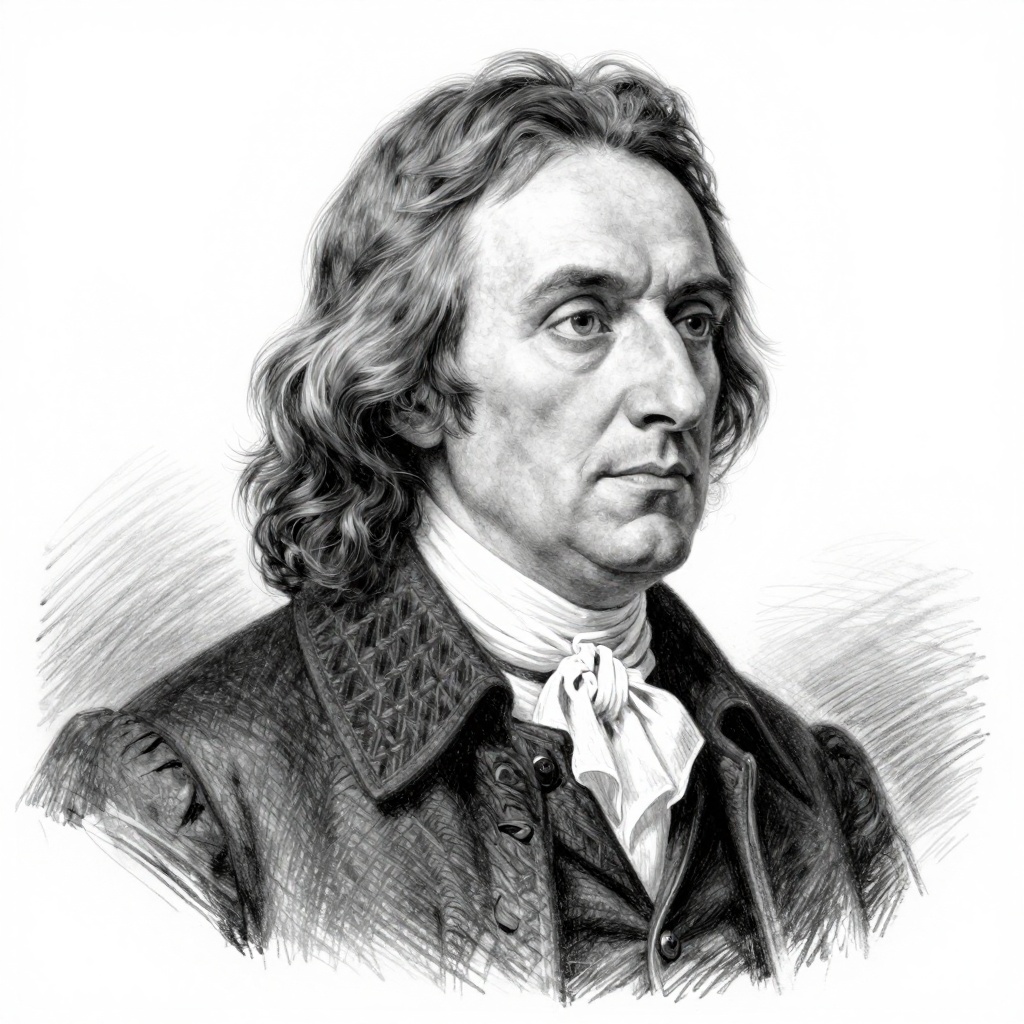
Comments