Quote · Added 14 February 2026
People who cannot find time for recreation are obliged sooner or later to find time for illness.
John WanamakerMaxims of Life and Business
Filed underrecreation·health·balance
Quote · Added 14 February 2026
Filed underrecreation·health·balance
We've all heard the basic pitch for rest and hobbies—they're good for you, recharge your batteries, all that. But there's something sharper in the idea that recreation isn't optional luxury, it's preventive medicine. When you skip it consistently, you're not just missing out on fun. You're building a debt your body will eventually call in, whether that's burnout, anxiety, a cold that won't quit, or something worse.
The twist is that this isn't really about willpower or discipline. It's about recognizing that downtime and play are how humans maintain themselves, not extras you earn after everything else is done. The person who says they're "too busy" to relax is often the same person who suddenly has to take three weeks off for illness later. The time doesn't disappear—it just gets reallocated, usually when you have less control over it.
What makes this genuinely practical today is that we've normalized constant availability in a way previous generations didn't. Recreation now means actually protecting space for it, defending it like it matters, because the alternative isn't just feeling tired. It's your system eventually forcing you to stop, whether you planned for it or not.
1838–1922·lived 84 years
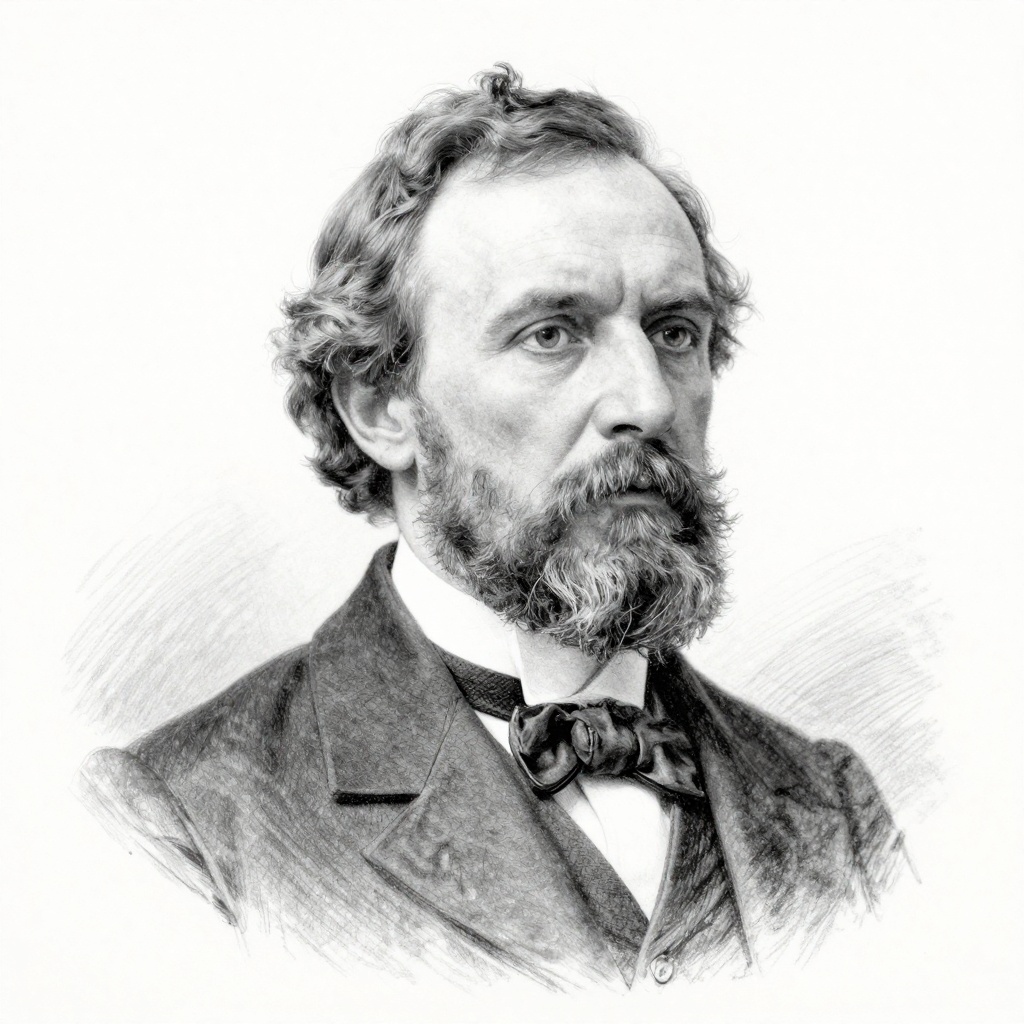
John Wanamaker was an American entrepreneur and pioneer in the department store business, best known for founding one of the first modern department stores in Philadelphia in 1876. He was also a key figure in retail marketing, introducing price tags and return policies, and served as the United States Postmaster General from 1889 to 1893. Wanamaker's innovative approaches transformed the shopping experience and had a lasting impact on retail practices.
Comments