Quote · Added 9 February 2026
All good things which exist are the fruits of originality.
John Stuart MillOn Liberty, p. 78, 1859
Filed underoriginality·creativity·progress
Quote · Added 9 February 2026
Filed underoriginality·creativity·progress
We often think of originality as something rare and dramatic—a genius in a lab or an artist in their studio. But Mill is pointing at something subtler: almost everything genuinely good in your life right now came from someone deciding not to copy what came before. The coffee shop on your corner, the way your friend solved a problem you both faced, the approach you took to apologizing after an argument—these small goods exist because someone thought differently.
The tricky part is that originality sounds inspiring but feels risky in the moment. It's easier to follow the script everyone else is following. Yet if you only ever do what's already proven, you get what already exists. Mill's insight is that settling for the familiar isn't actually safe—it's just boring and ultimately limiting.
This doesn't mean being original for its own sake, or reinventing the wheel constantly. It means recognizing that the best moments, solutions, and systems in your life emerged from someone being willing to question "how we've always done this" and trying something different. That willingness—even in small ways—is what separates a life that merely repeats from one that actually grows.
1806–1873·lived 66 years
John Stuart Mill (1806–1873) was a British philosopher, economist, political theorist, and civil servant. He is best known for his contributions to political philosophy, advocating for individual liberty, women's rights, and the utilitarian principle that actions are right if they promote happiness and wrong if they cause pain. His works, such as "On Liberty" and "Utilitarianism," have had a lasting influence on the fields of ethics, economics, and political science.
Also by John Stuart Mill
There are many truths of which the full meaning cannot be realized until personal experien...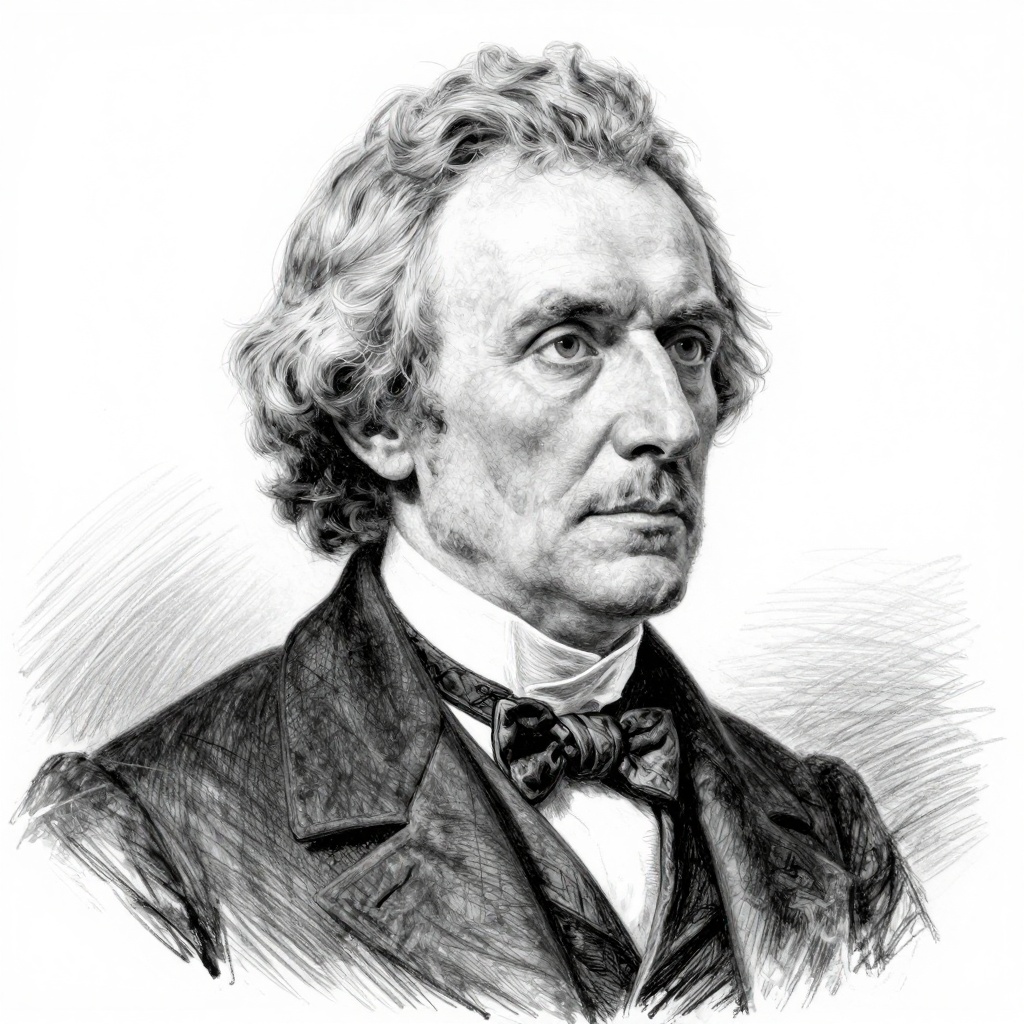
Comments