Quote · Added 15 February 2026
What we think or what we know or what we believe is in the end of little consequence. The only thing of consequence is what we do
Filed underaction·belief·consequence
Quote · Added 15 February 2026
Filed underaction·belief·consequence
Most of us live in our heads more than we'd like to admit. We have strong opinions about how things should work, we collect knowledge like it's going out of style, we believe firmly in certain principles. And yet somehow the gap between what we think and what actually changes in the world can feel impossibly wide. Ruskin's point cuts through all that internal architecture: intention without action is just noise.
The tricky part is that our minds are really good at convincing us that thinking and believing are doing something. We feel virtuous after reading about climate change, enlightened after understanding a complex idea, motivated after watching an inspiring talk. None of that is wasted—clarity matters—but it's not the same as the concrete choice to act differently tomorrow. We can simultaneously be the most thoughtful person in the room and accomplish nothing.
What makes this quote sting a little is how it flips what we often prioritize. We spend enormous energy getting our beliefs right, debating what's true, perfecting our understanding. Meanwhile the actual difference-makers are the ones making the unglamorous choice, over and over: to show up, to change one small behavior, to help someone today. Your half-formed action will always matter more than your perfectly articulated philosophy.
1819–1900·lived 80 years
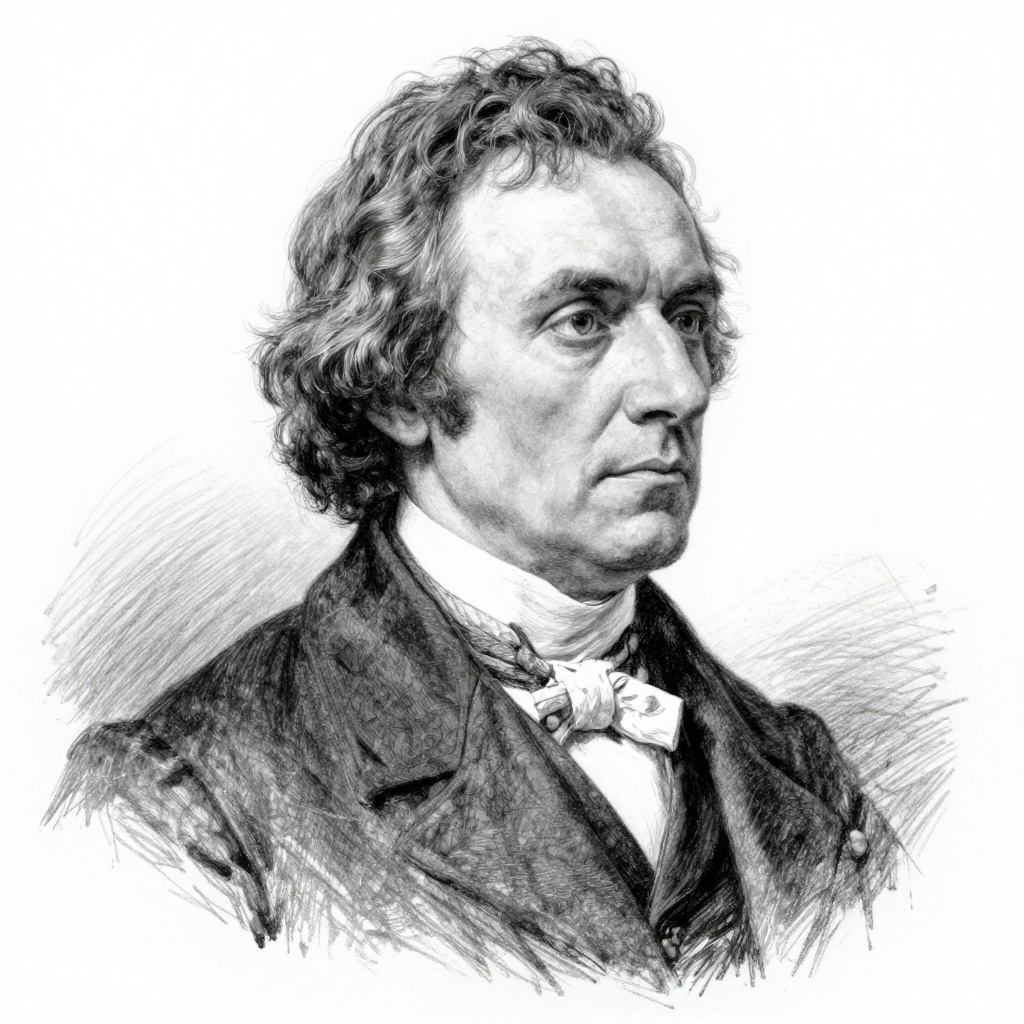
John Ruskin was an English art critic, writer, and social thinker, born in 1819. He is known for his significant contributions to art and architecture criticism during the Victorian era, and his writings have influenced the Pre-Raphaelite Brotherhood and the Arts and Crafts Movement. Ruskin's work also extended to topics such as environmentalism, social reform, and economics.
Comments