Quote · Added 20 March 2026
Explore
Reading
AI generatedBeauty follows function, not decoration
We live in a time of extreme impatience with buildings that don't work. A leaky roof, poor insulation, or awkward floor plans will annoy us far more than ugly architecture ever could. So there's wisdom in Ruskin's insistence that function comes first—a beautiful building that fails at its job is just expensive decoration. But here's what's easy to miss: he's not saying beauty matters less. He's saying it matters after you've solved the practical problem, which almost nobody does.
This shows up everywhere. We'll tolerate an uncomfortable chair if it works reliably, but we'd never accept a gorgeous chair that collapses. Yet somehow we've convinced ourselves these are separate concerns. A well-designed office building or home doesn't just function well and then look nice—it looks nice because it functions well. Good materials, smart layouts, and honest construction are themselves beautiful. When you cut corners on the practical stuff to save money, the prettiness always suffers too.
The real challenge isn't choosing between duty and beauty. It's understanding that they're connected. A building that does its job poorly, no matter how ornate, will always feel wrong to live or work in. The graceful part only lands when the practical part is already solved.
The author
All 14 quotes by John Ruskin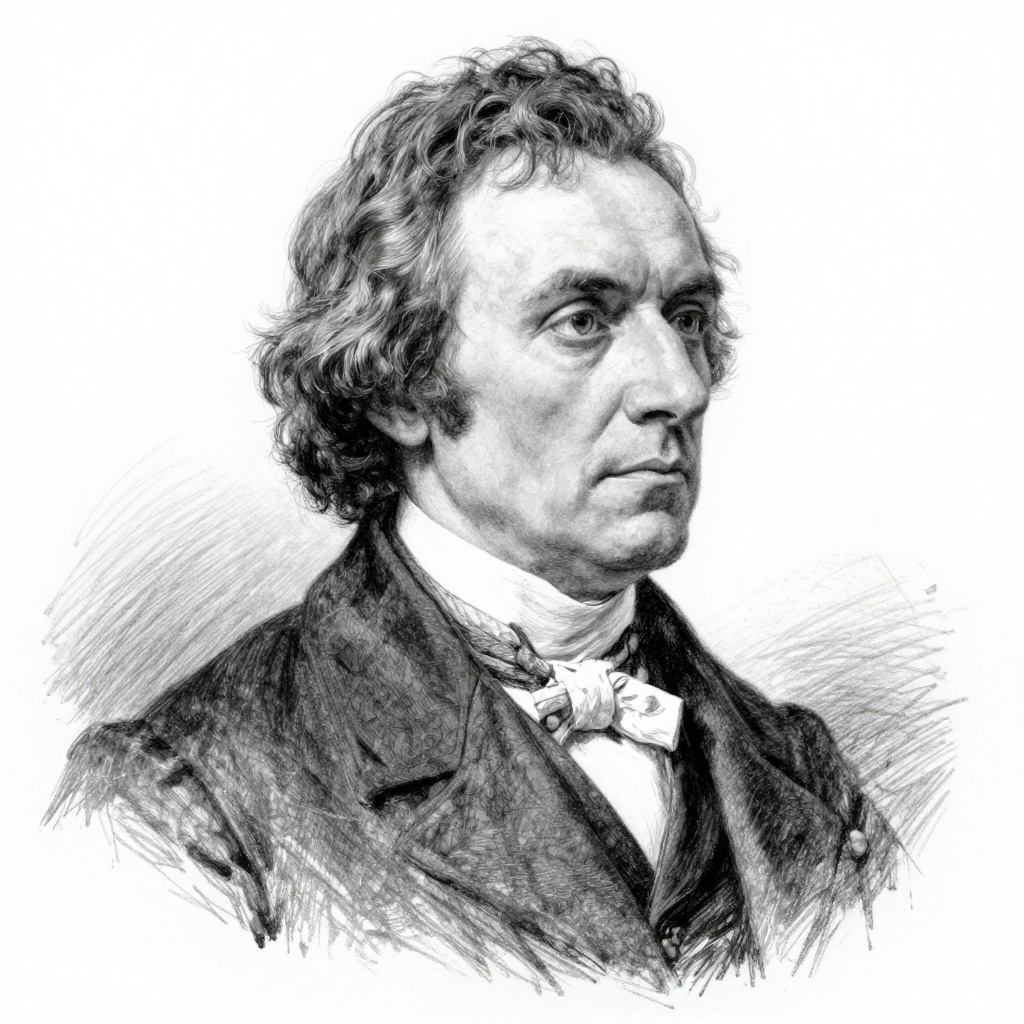
John Ruskin
1819–1900·lived 80 years
John Ruskin was an English art critic, writer, and social thinker, born in 1819. He is known for his significant contributions to art and architecture criticism during the Victorian era, and his writings have influenced the Pre-Raphaelite Brotherhood and the Arts and Crafts Movement. Ruskin's work also extended to topics such as environmentalism, social reform, and economics.
Comments