Quote · Added 14 February 2026
To see clearly is poetry, prophecy and religion all in one.
John RuskinModern Painters, Vol. 1, p. 12, 1843
Filed underclarity·vision·spirituality
Quote · Added 14 February 2026
Filed underclarity·vision·spirituality
Most of us stumble through life half-asleep, distracted by what we think we should notice rather than what's actually in front of us. Ruskin's point is that the moment you really see something—truly observe it with full attention—something shifts. You're not just gathering information. You're having an experience that feels almost sacred, whether you're looking at a person's face, a pattern of light on water, or the way someone's hands move when they talk.
This matters now more than ever. We're drowning in images but starving for genuine perception. Most of what we scroll past disappears instantly. But when you slow down and actually look at something, you start to understand it in a way that no amount of analysis can give you. You see patterns and connections. You anticipate what might come next. You feel something true. That's not poetry or prophecy in the mystical sense—it's just what happens when the mind actually engages instead of coasting.
The quiet rebellion here is that clarity isn't about acquiring more information or becoming smarter in the traditional way. It's about presence. And presence—real, undivided attention—has become rarer and more valuable than almost any skill we're taught to chase.
1819–1900·lived 80 years
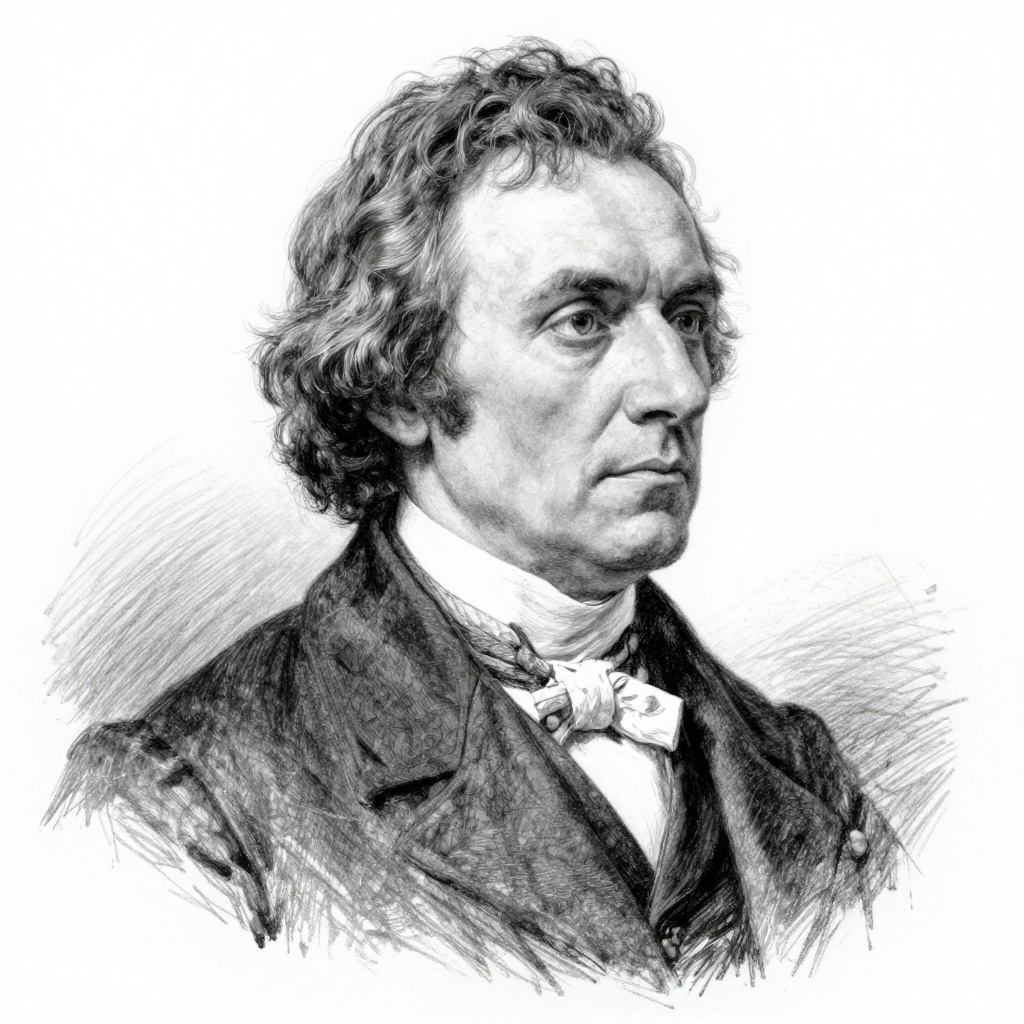
John Ruskin was an English art critic, writer, and social thinker, born in 1819. He is known for his significant contributions to art and architecture criticism during the Victorian era, and his writings have influenced the Pre-Raphaelite Brotherhood and the Arts and Crafts Movement. Ruskin's work also extended to topics such as environmentalism, social reform, and economics.
Comments