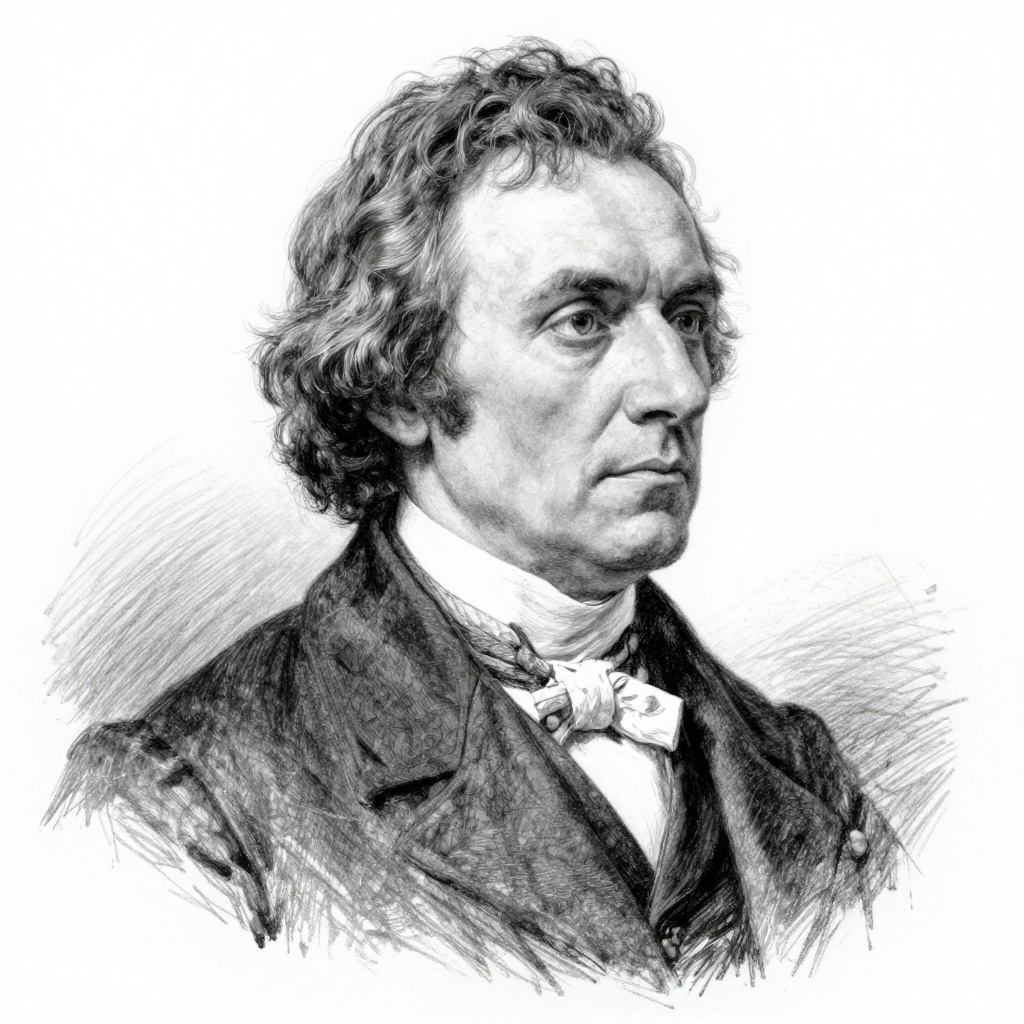
The first test of a truly great man is his humility. By humility I don't mean doubt of his powers or hesitatio... — John Ruskin

The first test of a truly great man is his humility. By humility I don't mean doubt of his powers or hesitation in speaking his opinion, but merely an understanding of the relationship of what he can say and what he can do.

Author: John Ruskin

Insight: Real confidence isn't about knowing everything—it's knowing the gap between what you understand and what actually works. Most people mistake humility for weakness, but the truly capable ones quietly recognize where their expertise ends, which is why they're trusted more. That restraint is what separates someone who sounds smart from someone who actually gets things done.

Source: Unto This Last, p. 167, 1862

The first test of a truly great man is his humility. By humility I don't mean doubt of his powers or hesitation in speaking his opinion, but merely an understanding of the relationship of what he can say and what he can do.

John RuskinUnto This Last, p. 167, 1862

Confidence knows its limits

We often confuse humility with self-doubt, imagining that truly humble people second-guess themselves constantly or shrink away from speaking up. But Ruskin is pointing at something sharper: real humility is about accurate self-knowledge. It's the difference between someone who believes their own hype and someone who actually understands where their reach ends.

Think about the people you trust most in your life. They're probably willing to take a strong stance on things they know well, but they're also oddly comfortable saying "that's not my area" or admitting when they've been wrong. They're not performing modesty. They're just operating from a clear-eyed sense of what they can actually affect and what they can't. That clarity lets them move with confidence instead of second-guessing.

The tricky part is that this kind of humility looks almost indistinguishable from confidence. A truly humble person might be more vocal and decisive than someone anxiously hedging their bets. The difference is internal: they know the gap between their vision and reality, between what they intend and what will actually happen. That knowing—not doubt, but realistic seeing—is what keeps them from the arrogance that derails most ambitious people.

Comments

Sign in to leave a comment or reply to one.

Sign in

John Ruskin

John Ruskin was an English art critic, writer, and social thinker, born in 1819. He is known for his significant contributions to art and architecture criticism during the Victorian era, and his writings have influenced the Pre-Raphaelite Brotherhood and the Arts and Crafts Movement. Ruskin's work also extended to topics such as environmentalism, social reform, and economics.

Graph